


Indian dance is one of the most ancient and sophisticated artistic traditions in the world. It is not merely a form of entertainment but a profound expression of culture, spirituality, storytelling, and philosophy. Rooted in thousands of years of history, Indian dance has evolved through different eras, adapting to social and political changes while preserving its core essence. From temple rituals to global stages, it continues to represent the rich cultural identity of India.
The Origins and Philosophical Foundations of Indian Dance
The story of Indian dance begins with the ancient treatise known as the Natya Shastra, attributed to Bharata Muni. Written between 200 BCE and 200 CE, this text is considered the foundation of all classical dance, drama, and music in India. It provides a detailed framework for performance, explaining how movement, expression, and emotion can be combined to create a powerful artistic experience.
According to this philosophy, dance is divided into three key aspects: Nritta, which refers to pure movement without narrative; Nritya, which combines rhythm with expression; and Natya, which is dramatic storytelling. One of the most important concepts introduced in the Natya Shastra is the idea of Rasa, or emotional essence. Performers aim to evoke specific emotions such as love, anger, joy, compassion, or fear in the audience, making dance not just a visual art but an emotional journey.
In ancient India, dance was closely tied to spirituality. It was performed in temples as a form of devotion, often dedicated to gods and goddesses. The cosmic dance of Lord Shiva, known as Tandava, symbolized the rhythm of creation and destruction, while the graceful Lasya represented beauty and creation. These philosophical ideas deeply influenced the development of Indian dance traditions.
Evolution Through History: From Temples to Modern Stages
Indian dance has undergone significant transformation over centuries. During ancient and medieval periods, it flourished in temples, where dancers were considered devoted artists serving the divine. Over time, royal courts became important centers for dance, especially during the Mughal era, which introduced new elements of refinement, music, and storytelling.
However, during British colonial rule, many traditional dance forms faced decline due to social and cultural restrictions. Some forms were even stigmatized and discouraged. It was only in the early 20th century that Indian cultural revivalists worked to restore and preserve these traditions. As a result, classical dance forms were redefined, codified, and presented on modern stages.
Today, Indian dance is performed worldwide, blending traditional techniques with contemporary styles, yet maintaining its deep cultural roots.
Classical Dance Traditions: The Soul of Indian Dance
Bharatanatyam (Tamil Nadu)

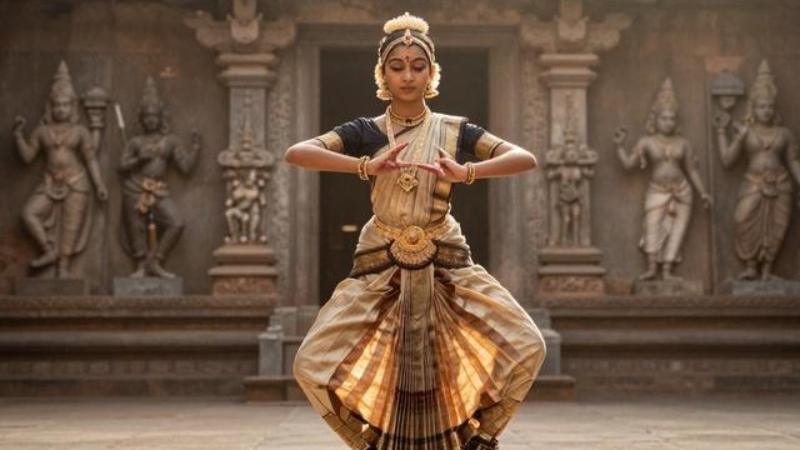
Bharatanatyam is considered one of the oldest and most structured dance forms in India. Originating in the temples of Tamil Nadu, it was traditionally performed by Devadasis as a form of devotion.
The dance is known for its precise geometric movements, strong footwork, and expressive storytelling (abhinaya). A distinctive feature is the aramandi posture, where the dancer bends the knees outward, creating a triangular shape. Bharatanatyam performances often narrate stories from Hindu epics like the Ramayana and Mahabharata, combining rhythm, emotion, and spirituality.
Kathak (North India)
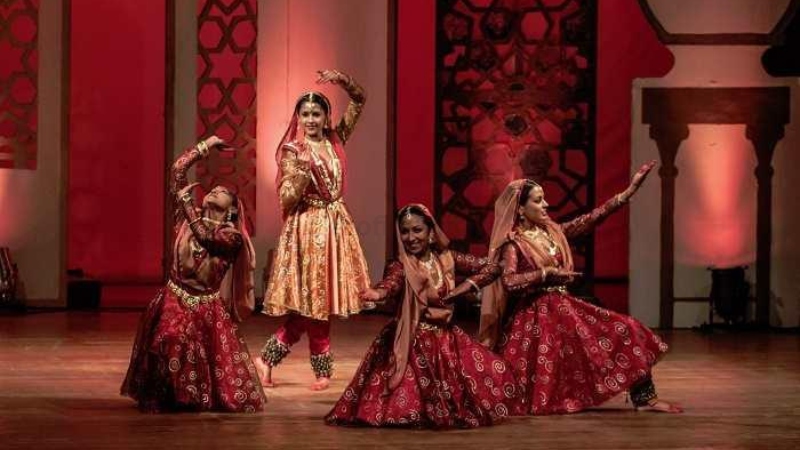
Kathak originated from the storytelling tradition of Kathakars, who narrated religious tales through dance and music.
Over time, especially during the Mughal era, Kathak evolved into a court dance, incorporating Persian influences. It is famous for its fast footwork, rhythmic patterns, and graceful spins (chakkars). Dancers wear ghungroo (ankle bells), which enhance the sound of their movements. Kathak beautifully blends storytelling with technical precision.
Kathakali (Kerala)
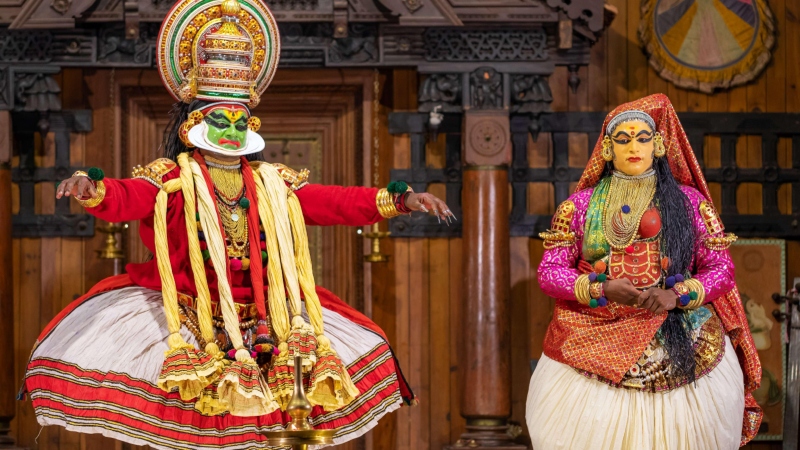
Kathakali is one of the most visually dramatic dance forms in India. It is a combination of dance, drama, and storytelling.
Performers wear elaborate costumes, large headgear, and detailed face makeup, where colors symbolize different character traits. The dance uses intense facial expressions and hand gestures to narrate stories from epics. Kathakali performances often last several hours and require years of training.
Kuchipudi (Andhra Pradesh)
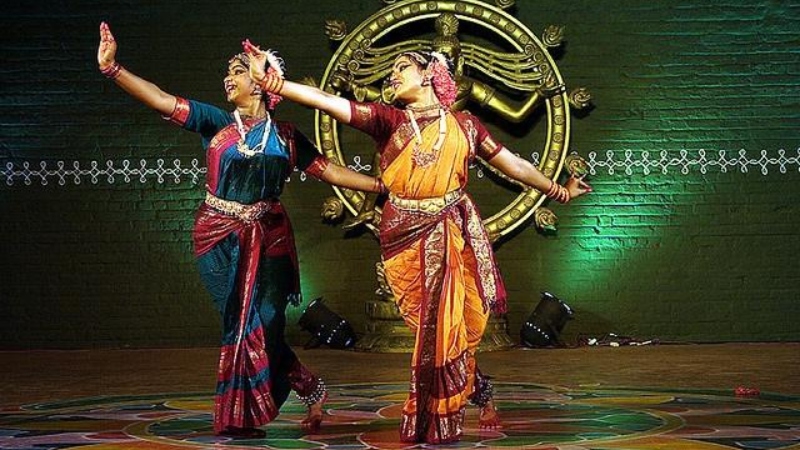
Kuchipudi originated as a dance-drama tradition performed by male Brahmin artists in villages.
It is known for its graceful yet energetic movements and dramatic storytelling. A unique feature of Kuchipudi is the Tarangam, where dancers perform on a brass plate while balancing a pot on their heads. This showcases both skill and balance.
Odissi (Odisha)
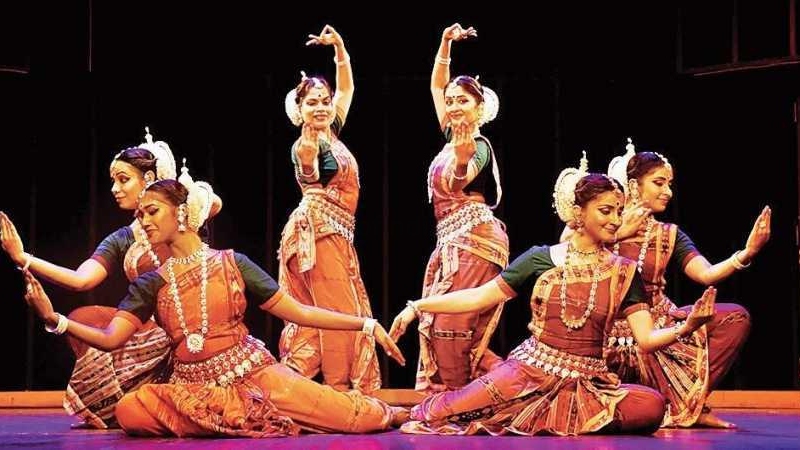
Odissi is one of the most graceful dance forms, inspired by temple sculptures.
Its most distinctive feature is the tribhangi posture, which divides the body into three bends—head, torso, and knee. This creates a fluid and lyrical movement style. Odissi performances often focus on devotion, particularly stories of Lord Krishna.
Manipuri (Manipur)
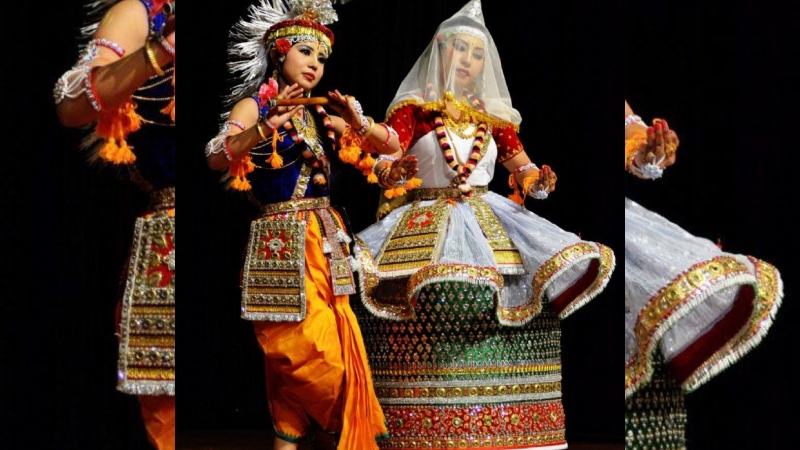
Manipuri is known for its gentle, flowing, and devotional movements.
Unlike other classical dances, it avoids exaggerated facial expressions and focuses on spiritual storytelling. It often depicts the divine love of Radha and Krishna through Ras Leela performances. The costumes are unique, especially the cylindrical skirts worn by female dancers.
Mohiniyattam (Kerala)
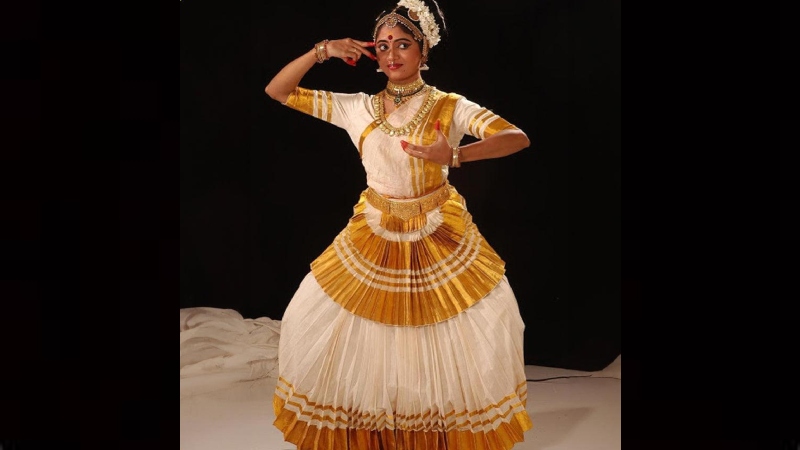
Mohiniyattam is known for its soft, graceful, and feminine style.
The movements are slow and fluid, emphasizing elegance and expression. The dance is traditionally performed by women and is inspired by the mythological enchantress Mohini. The white and gold costume adds to its beauty and simplicity.
Sattriya (Assam)
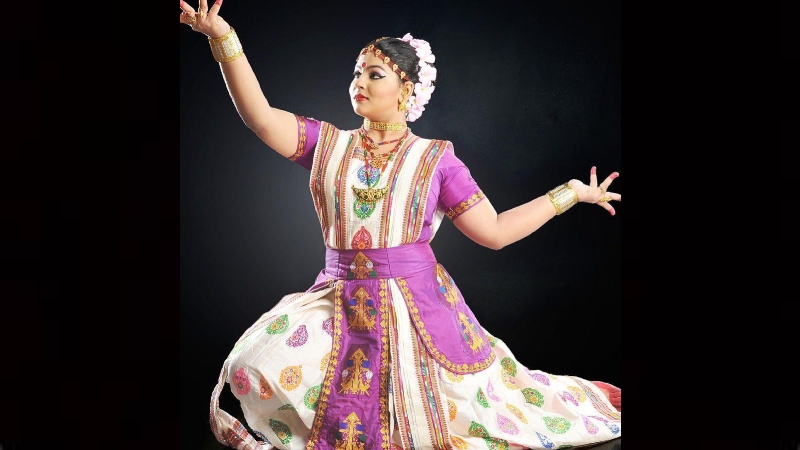
Sattriya originated in Vaishnavite monasteries (Satras) as a form of devotional performance.
It combines dance, drama, and music, focusing on spiritual themes. Earlier performed only by monks, it is now widely practiced by both men and women.
Folk Dance Forms of India (Regional Diversity)
Jhijhiya (Bihar)

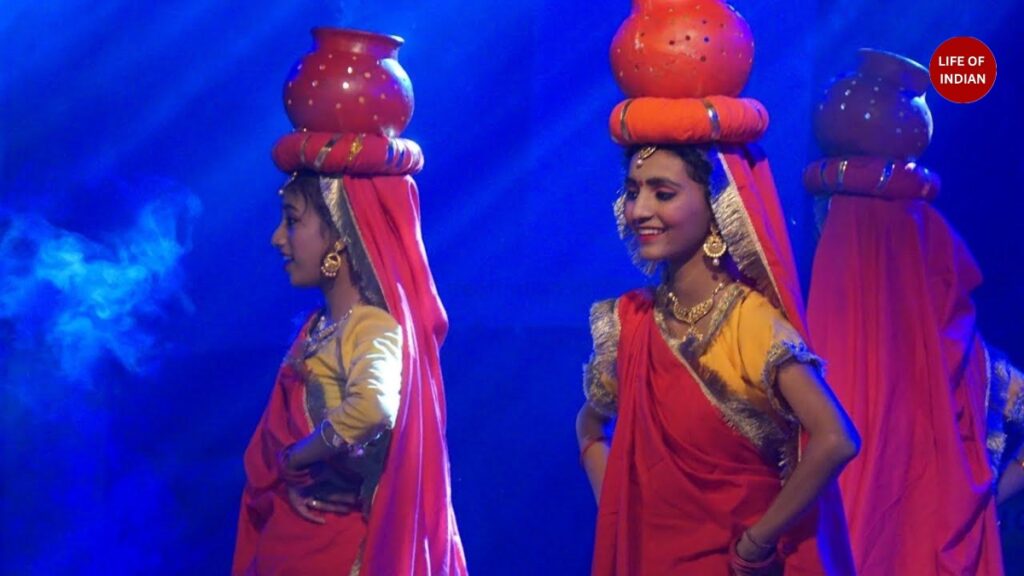
Jhijhiya is a traditional folk dance of Bihar, especially popular in the Mithila and North Bihar regions. It is closely associated with the festival of Navratri and is performed mainly by women.
What makes Jhijhiya unique is its distinctive performance style. Women dancers balance an earthen pot (called jhijhiya) on their heads. The pot is decorated with small holes, and a lamp is lit inside it. As the dancers move in rhythmic patterns, the light shines through the holes, creating a mesmerizing visual effect, especially at night.
Bhangra (Punjab)
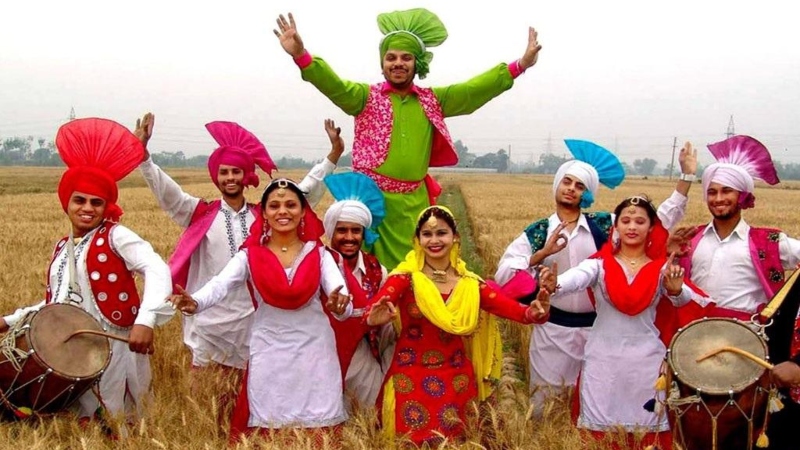
Bhangra is a lively and energetic dance performed during harvest festivals. It is characterized by high jumps, strong beats, and vibrant music, symbolizing joy and celebration.
Garba (Gujarat)
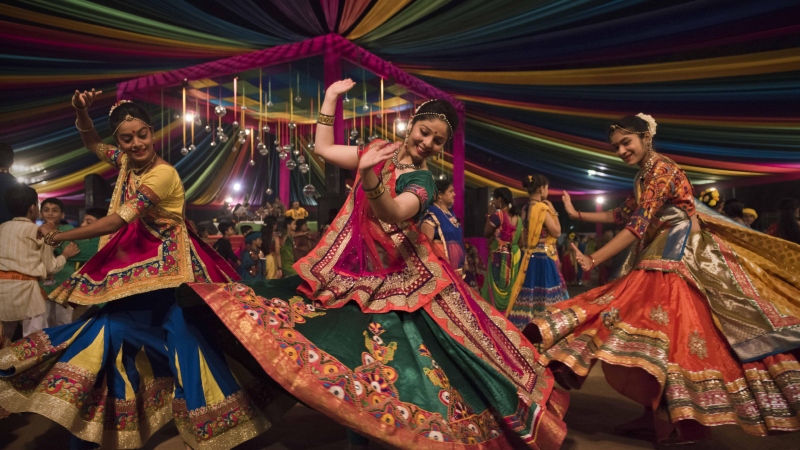
Garba is performed during Navratri, where dancers move in circular patterns around a lamp or idol. It represents devotion and the cycle of life.
Ghoomar (Rajasthan)
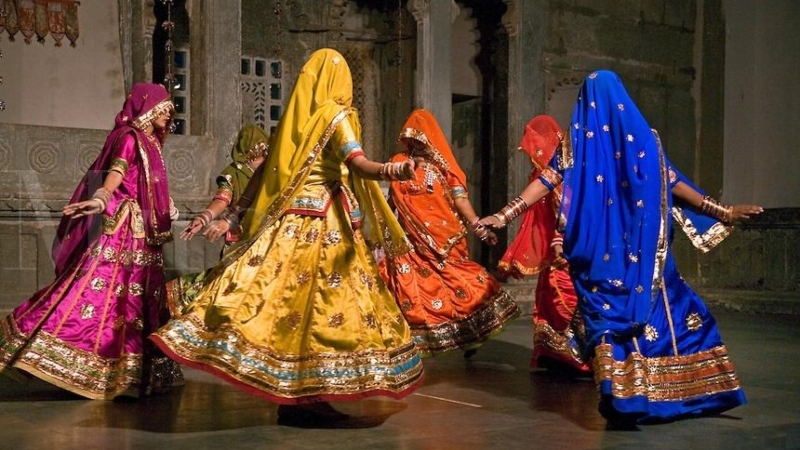
Ghoomar is a traditional dance performed by women, known for its graceful spinning movements and colorful attire.
Bihu (Assam)
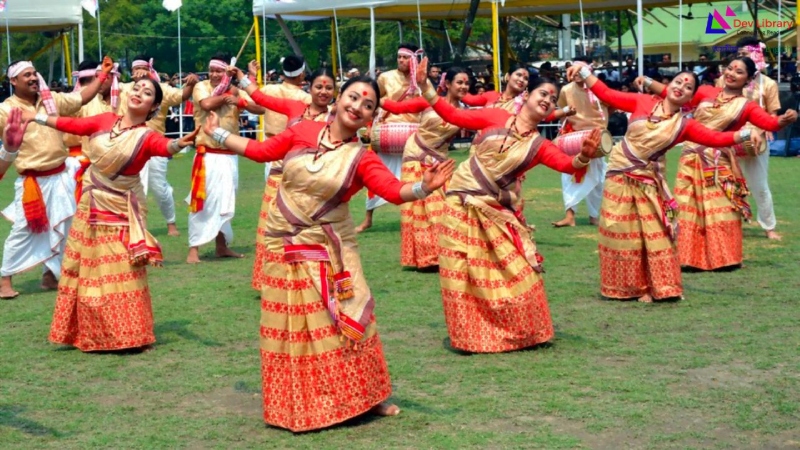
Bihu celebrates the Assamese New Year and harvest season. It is fast-paced and energetic, reflecting happiness and prosperity.
Lavani (Maharashtra)
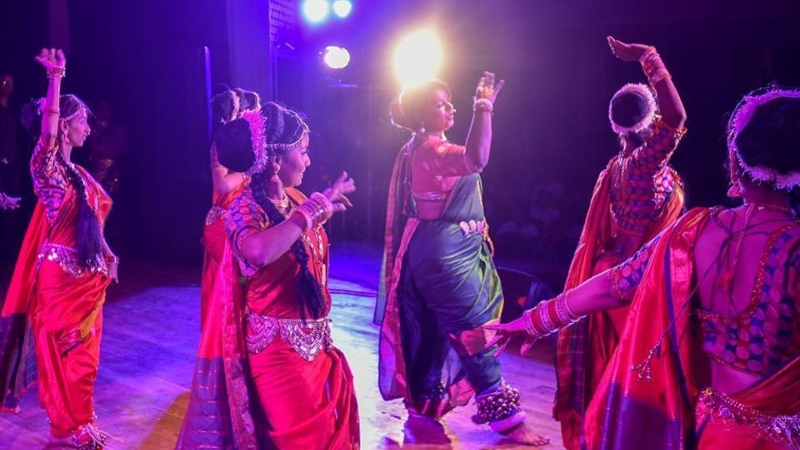
Lavani is known for its powerful rhythm, expressive gestures, and bold storytelling, often performed to the beats of the dholki.
Folk and Tribal Dances: The Rhythm of Everyday Life
While classical dance is structured and formal, folk and tribal dances are more spontaneous and reflect the daily lives, traditions, and celebrations of local communities. These dances are often performed during festivals, weddings, harvest seasons, and social gatherings.
For example, the energetic movements of Bhangra in Punjab celebrate the harvest season, while Garba in Gujarat is performed during the festival of Navratri. In Assam, Bihu dance marks the arrival of spring, and in Rajasthan, Ghoomar showcases the grace and beauty of traditional women’s culture.
Folk dances are deeply connected to the land and lifestyle of the people. They may not follow strict rules like classical dance, but they carry immense cultural value and emotional significance.
The Language of Expression: Techniques and Elements
Indian dance is unique because it combines multiple artistic elements into a single performance. The use of mudras (hand gestures) allows dancers to communicate complex ideas and stories without words. Facial expressions, known as abhinaya, play a crucial role in conveying emotions.
Music and rhythm are equally important. Classical dances are typically performed to Carnatic or Hindustani music, depending on the region. Costumes and makeup are carefully designed to enhance the visual impact and help the audience understand the characters and themes.
Every movement, expression, and gesture is meaningful, making Indian dance a highly symbolic and expressive art form.
Indian Dance in the Contemporary World
In modern times, Indian dance has expanded beyond traditional boundaries. It is now performed on international stages, taught in universities, and appreciated by global audiences. Bollywood has also played a significant role in popularizing dance, blending classical, folk, and Western styles into a unique form of entertainment.
At the same time, efforts are being made to preserve traditional forms through institutions, cultural festivals, and government initiatives. Many dancers continue to dedicate their lives to mastering these art forms, ensuring that the legacy of Indian dance is passed on to future generations.
A Living Tradition of India
Indian dance is not just an art—it is a reflection of India’s soul. It tells stories of gods and humans, expresses emotions beyond words, and connects the past with the present. Despite changing times, it continues to evolve while staying rooted in its rich traditions.
From the sacred temples of ancient India to the global stage, Indian dance remains a powerful symbol of cultural identity, creativity, and spiritual expression. It is truly a living tradition that celebrates the diversity and unity of India.
FAQ
Q1. How many classical dance forms are there in India?
India officially recognizes 8 classical dance forms.
Q2. Which is the oldest dance form in India?
Bharatanatyam is considered one of the oldest classical dance forms.
Q3. What is the difference between classical and folk dance?
Classical dance follows structured rules and ancient texts, while folk dance is more informal and based on regional traditions.
Q4. What is Natya Shastra?
It is an ancient text that explains the principles of dance, drama, and music.
Q5. Why is dance important in Indian culture?
Dance is a medium of storytelling, devotion, and cultural expression in India.