How the Indian Media Plays While India Bleeds


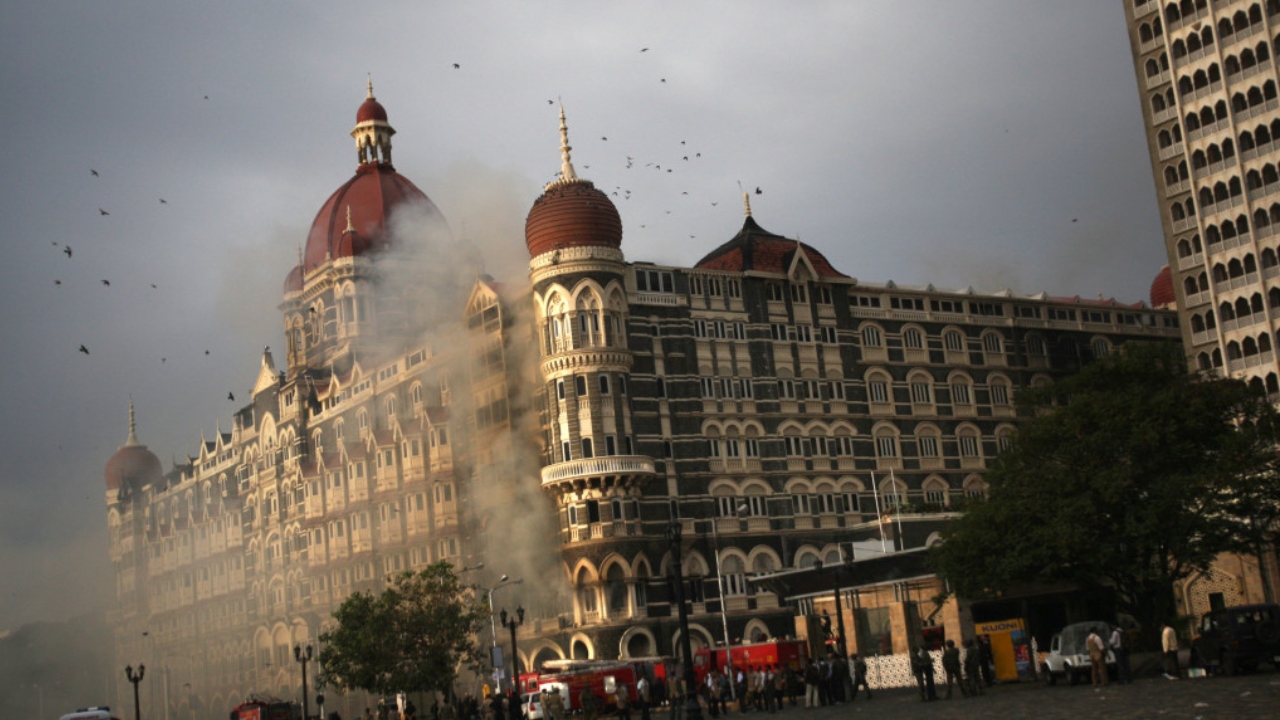
It has been 17 years since India faced the deadliest attack in its history; the Mumbai terror attack of 2008, also known as 26/11. The story was almost clear to all: on the night of 26 November, at around 9:20 pm, at least 10 terrorists belonging to Pakistan’s Lashkar-e-Taiba group entered Indian soil in Mumbai’s Colaba and killed 166 people on the spot, including Indian civilians, foreign tourists, and security personnel at the Taj Hotel.
The story didn’t end there. Instead, the event carried many developing narratives, shaped by none other than the Indian media. An incident like this, which naturally became a public-interest issue seeking answers to questions such as when, where, and how, unfolded during a time filled with extreme sensitivity, yet it was overshadowed by media competition. Ethics were forgotten as channels raced to break the news first. Between public interest and national interest, the most crucial concern was ignored: live coverage that was aiding terrorists, who were reportedly watching the broadcasts and adjusting their movements accordingly. Mainstream media channels such as NDTV, Aaj Tak, and India TV covered minute details of the event, how many terrorists entered, how many people were targeted, and what their next move might be, providing real-time updates to satisfy the public’s hunger for information.
Above all, the media lacked a sense of how it should behave and how it actually acted. Journalists ran behind intelligence agencies and administrative officials in an attempt to develop exclusive stories. Camerapersons tried to reach the sites of the incident to extract visuals; in fact, some even attempted to get in touch with National Security Guard official J.K. Dutt, who was directing the operations at that time.

This is not an isolated example. Whether it was the Parliament attack in 2001, the Supreme Court attack in 2001, the Pulwama attack in 2019, or the Pahalgam attack in 2025, the media has consistently rushed to reach the spot first. While covering breaking news, it often falls into the trap of yellow journalism, marked by exaggeration of facts. Adding to this is the rise of citizen journalism, where individuals record videos or narrate incidents in real time. Social media platforms like Twitter, Instagram, and Facebook amplified the situation further, creating panic and, at times, a fake narrative among citizens.
Coming back to the mainstream media, there is no doubt that it violated the primary standards of news delivery. After the 2008 Mumbai terror attack, a committee was set up under the chairmanship of Justice J.S. Verma for the formation of the News Broadcasting Standards Authority (NBSA). The authority introduced a set of guidelines and a code of ethics for covering emergency situations such as armed conflicts, internal disturbances, communal violence, public disorder, and crime. The NBSA holds suo motu powers, meaning it can take action against any news channel for violations without waiting for a formal complaint. Justice Verma believed in the power of the media and the freedom of journalists to deliver news responsibly, noting that the right to inform should not translate into the right to misinform.


In 2015, the BJP government sent notices to three news channels for their extensive coverage of the hanging of Yakub Memon, one of the masterminds behind the 1993 Mumbai serial blasts. Yet, the industry did not pause; it continued to operate on its own terms. The alleged suicide case of Sushant Singh Rajput is another example where the media intruded into the personal lives of the victim, the suspects, and their families. Media scrutiny escalated to such an extent that it crossed the boundaries of sensitivity. Renowned journalist Arnab Goswami’s on-air mimicry of Rhea Chakraborty, Sushant’s girlfriend, claiming that “she begged for drugs”, stands as a stark example. Eventually, the investigation concluded with Rhea being proven innocent. The question then arises: what accountability should news channels and anchors face after assassinating someone’s character?
So, the question remains, should sensitive news not be covered at all? The answer is no. It must be covered, but with strict adherence to journalistic ethics. Instead of playing with data, figures, trends, and narratives, the media must pause, verify facts and avoid insensitivity. To keep the fourth pillar of democracy intact, a true journalist must know not only what to convey, but also what must not be conveyed.