
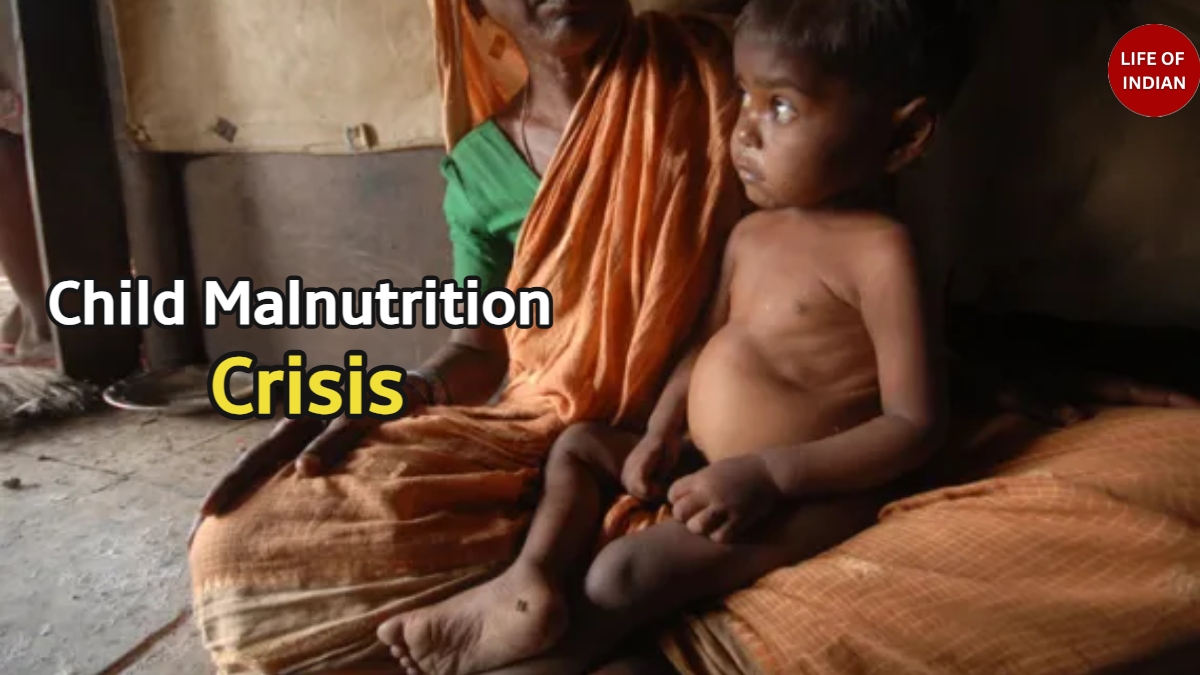
Child malnutrition continues to be a major public health challenge in Madhya Pradesh. Recent data collected by the state’s Women and Child Development Department has raised serious concerns about the health and nutrition of young children in the state.
According to the latest compiled information, a large number of children under the age of six are still suffering from severe malnutrition. Even after being identified and included in government nutrition programs, many children have not yet recovered, highlighting the need for stronger intervention and better implementation of existing schemes.
Over 3.6 Lakh Children Still Severely Malnourished

In 2025, the Women and Child Development Department identified around 7.37 lakh children under six years of age as belonging to the category of severely malnourished children.
However, despite efforts under the government’s health and nutrition initiatives, around 3.63 lakh of these children have still not been able to return to normal health conditions. This means that nearly half of the children identified with severe malnutrition remain at risk.
These children were identified under the Chief Minister’s Child Health Promotion Programme, which aims to track and improve the health of vulnerable children across the state.
Experts say that the numbers are worrying because they show that the situation is not improving as expected and may even be worsening in some areas.
Increase in Stunting Among Children
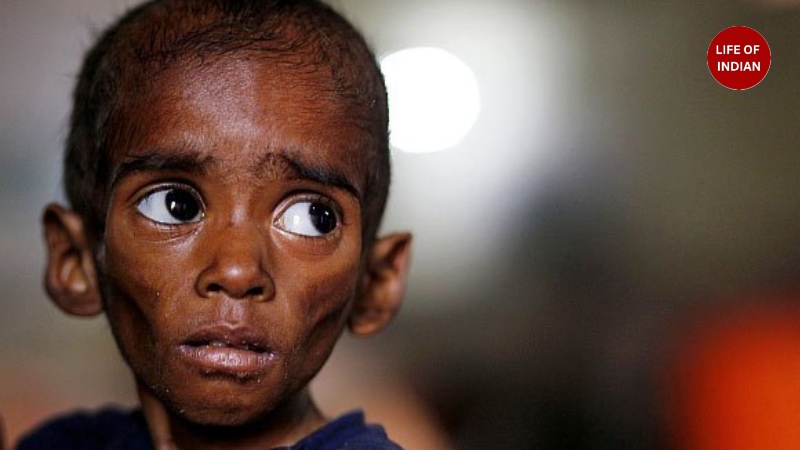
One of the most serious forms of malnutrition is stunting, which refers to poor height growth due to long-term nutritional deficiency.
According to the National Family Health Survey (NFHS-5) conducted between 2019 and 2021, 35.7 percent of children in Madhya Pradesh were stunted.
However, data from the Poshan Tracker Dashboard of the Ministry of Women and Child Development shows that this figure rose to 38 percent in January 2026.
Stunting is considered one of the most dangerous forms of malnutrition because it affects both physical growth and mental development. Children who are stunted often struggle with learning difficulties and long-term health issues.
Government Spending on Nutrition
The rising malnutrition figures are particularly concerning because the state government already spends around ₹1,400 crore every year on nutrition programs and food support for children.
Despite this large investment, the results have not improved as much as expected.
Experts believe that the problem is not only about funding but also about effective implementation, monitoring, and awareness among families about proper nutrition.
Madhya Pradesh Among the Worst Affected States
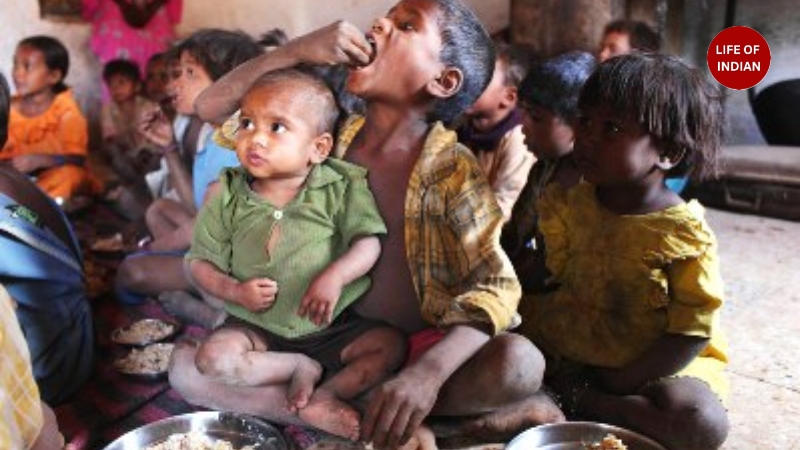
When compared with other states in India, Madhya Pradesh still ranks among the five worst-performing states in terms of child malnutrition.
According to NFHS-5 data:
- 33 percent of children were underweight for their age
- According to the Poshan Tracker report of January 2026, this figure improved to 22 percent
This indicates some progress in reducing underweight children.
However, when compared with national averages, the state still faces serious challenges.
Some Improvement in Wasting
Another category of malnutrition is wasting, which means children have low weight compared to their height.
Here the state has shown some improvement:
- NFHS-5 reported 19 percent wasting
- The Poshan Tracker now shows it has reduced to around 7 percent
Although this improvement is positive, Madhya Pradesh still performs worse than the national average, which remains significantly lower.
National Averages for Comparison
According to national data:
- Stunting (low height for age): 31%
- Underweight (low weight for age): 13%
- Wasting (low weight for height): 4%
This comparison shows that Madhya Pradesh still has a higher malnutrition rate than the national average.
Experts also point out that some children may suffer from two or even three forms of malnutrition at the same time, which makes treatment more difficult.
Nutrition Allowance Has Not Increased Since 2017
Another issue highlighted in the report is the low nutrition allowance provided through Anganwadi centres.
The rates for supplementary nutrition have not increased since 2017, despite rising food prices.
Currently:
- A moderately malnourished child receives only ₹8 per day
- A severely malnourished child receives ₹12 per day
Experts believe that these amounts are too small to provide adequate nutrition for growing children.
Slow Improvement Over the Years
When comparing NFHS-4 (2014-16) with NFHS-5 (2019-21), there has been some improvement, but it is very small.
The reduction recorded was:
- 1.6% decrease in stunting
- 2.3% decrease in underweight children
- 2.6% decrease in wasting
These numbers show that progress is happening, but at a very slow pace.
Government Initiatives to Reduce Malnutrition
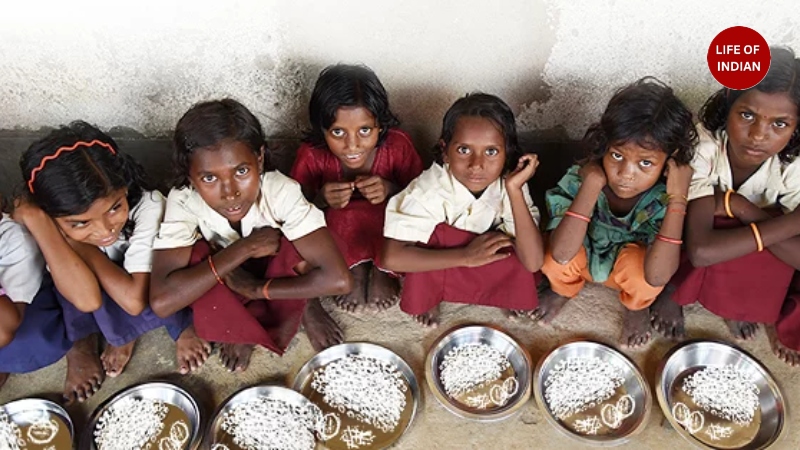
The government has launched several programs to address child malnutrition in the state.
Identification and Counseling
Anganwadi workers regularly identify malnourished children and guide families about proper nutrition and healthcare practices.
District-Level Action Plans
Under the Atal Bihari Vajpayee Child Health and Nutrition Mission, district-specific action plans are prepared to tackle malnutrition based on local needs.
Medical Treatment for Severely Malnourished Children
Under the Chief Minister’s Child Health Promotion Programme, severely malnourished children receive medical treatment with the support of doctors from leading institutions.
The treatment usually includes:
- Five days of medical care
- Six months of follow-up monitoring
Food Support Programs
Through the Supplementary Nutrition Programme, children, pregnant women, and breastfeeding mothers receive nutrition support.
This includes:
- Take-home ration
- Hot cooked meals at Anganwadi centres
Currently, more than 68 lakh children, pregnant women, and lactating mothers benefit from these schemes.
Government Target: End Malnutrition by 2047
The state government has set a long-term goal to eliminate malnutrition by the year 2047.
However, experts say that achieving this goal will require:
- stronger monitoring systems
- improved food quality
- better awareness among families
- and higher funding for nutrition programs.
Child malnutrition remains a serious challenge in Madhya Pradesh despite several government initiatives and large financial investments.
While some improvements have been recorded in certain categories, the increase in stunting and the large number of children still suffering from severe malnutrition show that more effective steps are needed.
Experts believe that along with government programs, community awareness, proper healthcare, and better nutrition practices at home will play a crucial role in ensuring that every child grows healthy and strong.
How many severely malnourished children are there in Madhya Pradesh?
According to data collected in 2025, around 7.37 lakh children under the age of six were identified as severely malnourished in Madhya Pradesh. Out of these, about 3.63 lakh children have still not recovered.
What is stunting in children?
Stunting refers to poor height growth caused by long-term malnutrition. It affects both physical growth and mental development in children.
What does the Poshan Tracker report say about malnutrition?
The Poshan Tracker data shows that stunting among children in Madhya Pradesh reached about 38% in January 2026, which is higher than earlier estimates.
How much money does the government spend on child nutrition in Madhya Pradesh?
The state government spends around ₹1400 crore every year on nutrition programs and food support for children, pregnant women and lactating mothers.
What schemes are being run to reduce malnutrition?
Several programs are being implemented, including:
Supplementary Nutrition Programme
Chief Minister Child Health Promotion Programme
Atal Bihari Vajpayee Child Health and Nutrition Mission
Anganwadi nutrition and counselling services
What is the government’s long-term target regarding malnutrition?
The government has set a goal to eliminate malnutrition in the state by 2047 through improved nutrition programs and healthcare initiatives.