
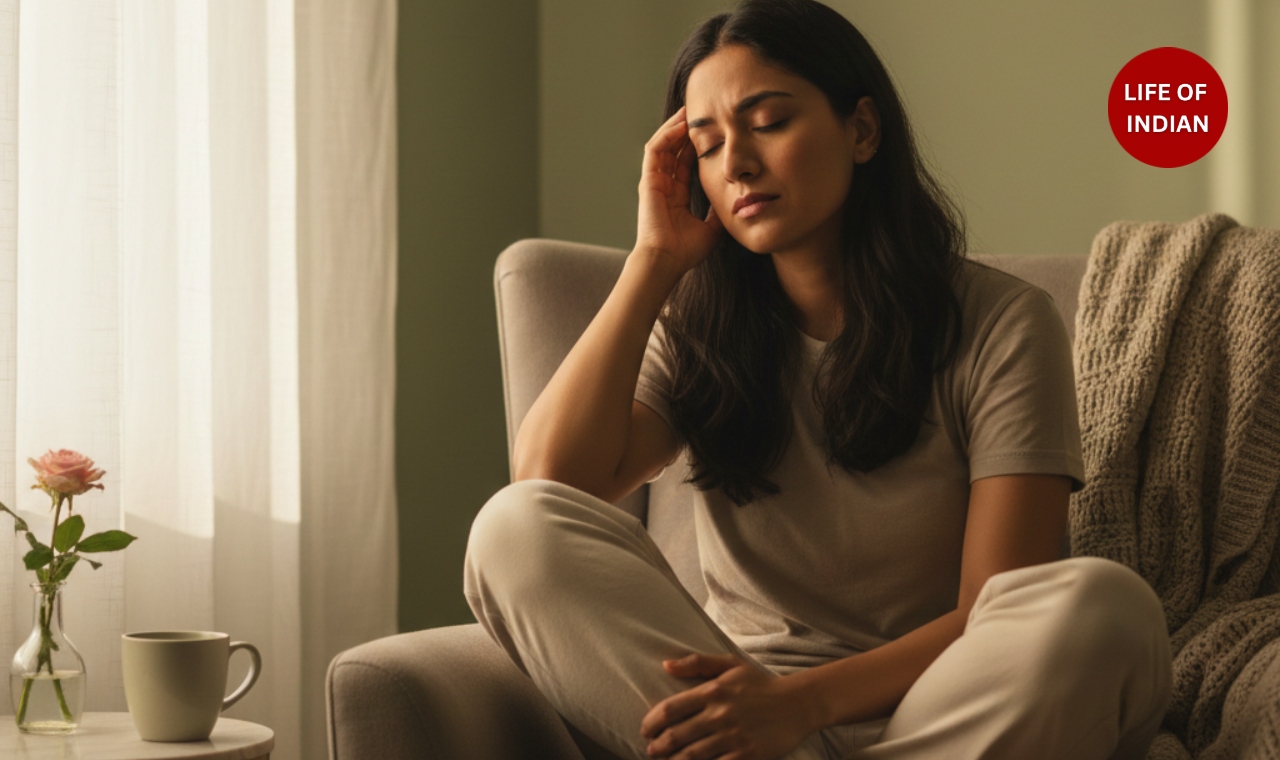
Menstrual Headache Is Real: Many women experience headaches during their menstrual cycle, especially just before or during periods. This condition, commonly known as a menstrual headache, is not uncommon and is closely linked to hormonal changes in the body. While some women experience mild discomfort, others may suffer from severe headaches or even migraines that interfere with daily life.
Understanding why headaches occur during periods and how to manage them effectively can help women improve their quality of life and menstrual health.
What Is a Menstrual Headache?
A menstrual headache is a type of headache that occurs in connection with the menstrual cycle. It usually appears two days before the start of periods or during the first few days of menstruation. In some cases, it may continue for several days.
Menstrual headaches can range from:
-
Mild tension-type headaches
-
To severe migraine-like headaches with nausea, light sensitivity, or fatigue
Main Causes of Headache During Periods

1. Hormonal Fluctuations
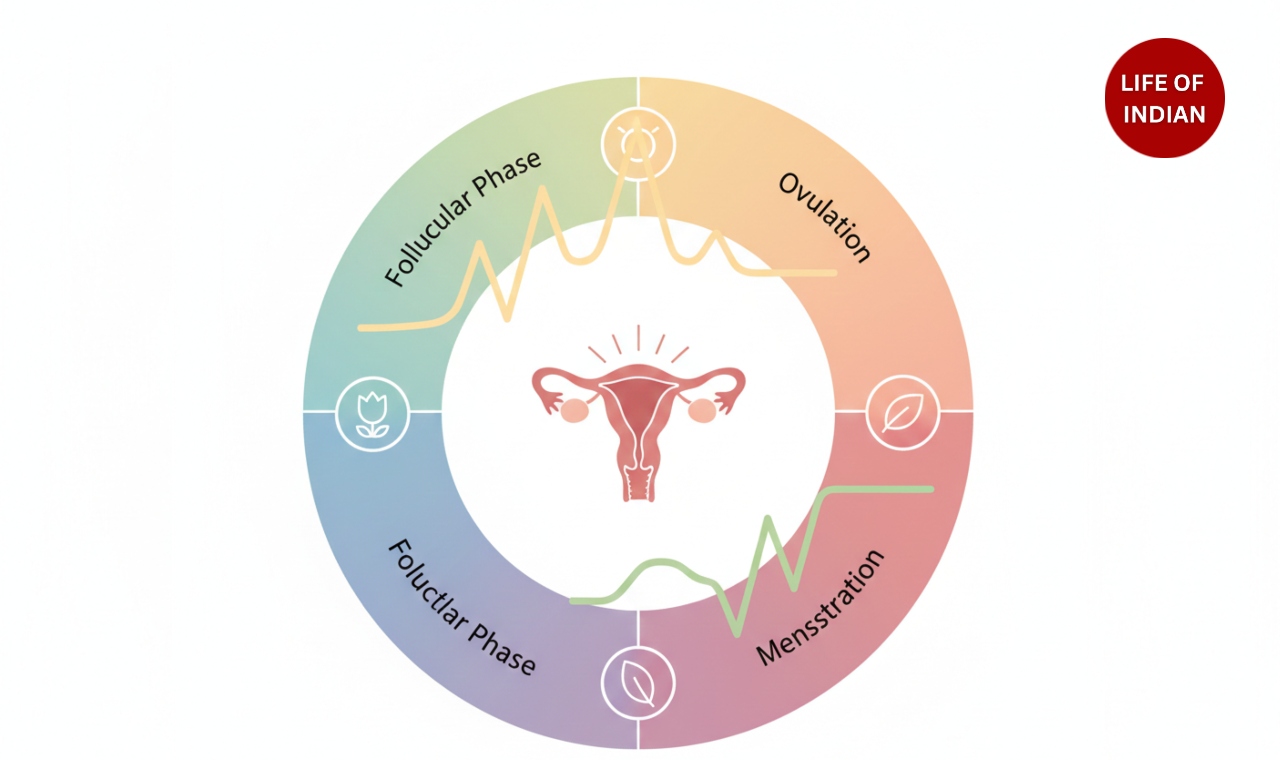
The most significant cause of period-related headaches is the drop in estrogen levels just before menstruation. Estrogen plays a role in regulating pain chemicals in the brain. When its level falls, pain sensitivity increases, leading to headaches.
2. Prostaglandins Release
During menstruation, the body releases prostaglandins, hormone-like substances responsible for uterine contractions. High levels of prostaglandins can also trigger headaches by causing inflammation and pain.
3. Menstrual Migraines

Some women experience menstrual migraines, a more intense form of headache. These migraines often occur without warning and may be more painful and longer-lasting than regular migraines.
4. Iron Deficiency (Low Hemoglobin)
Heavy menstrual bleeding can lead to iron deficiency anemia, which reduces oxygen supply to the brain and may cause headaches, dizziness, and fatigue.
5. Stress and Lack of Sleep
Hormonal changes can disrupt sleep patterns and increase stress levels, both of which are common headache triggers during periods.
6. Dehydration
Many women drink less water during their periods, leading to dehydration, which can worsen headaches.
Common Symptoms Associated with Period Headaches
-
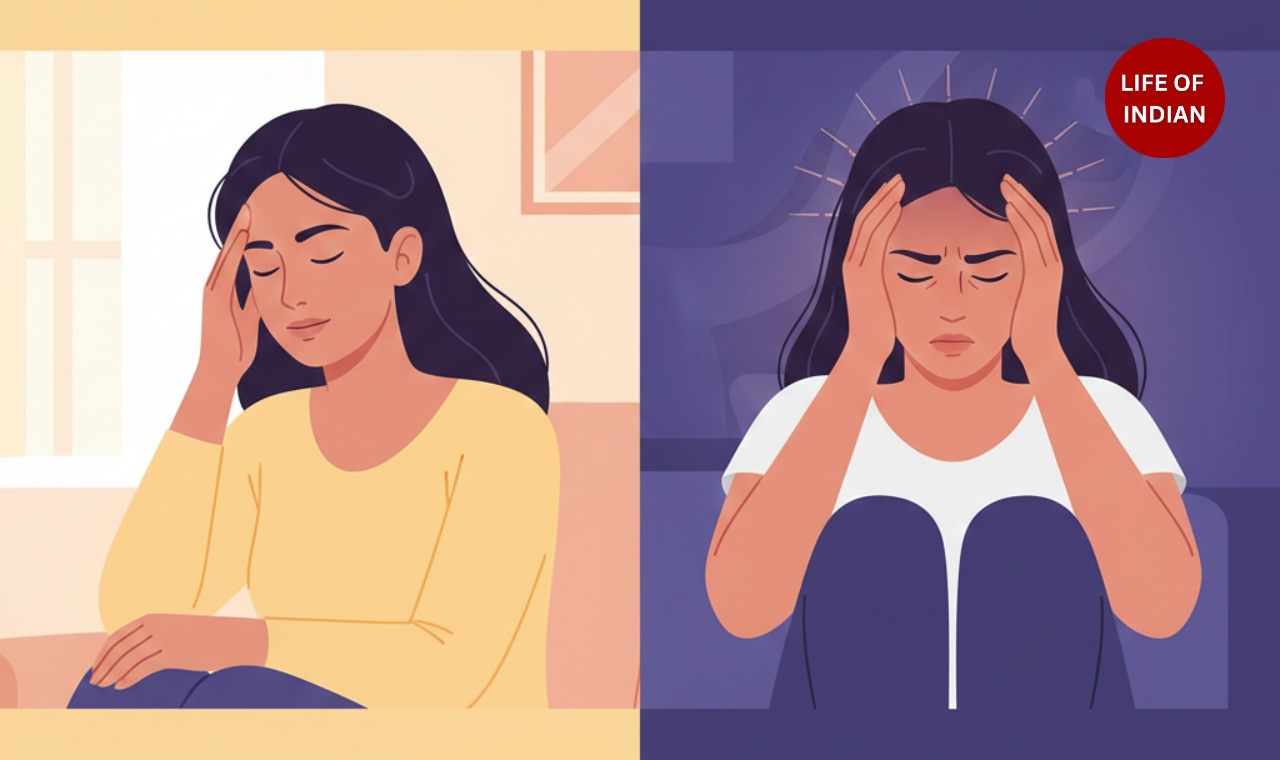
Throbbing or dull pain in the head
-
Pain on one or both sides of the head
-
Sensitivity to light or sound
-
Nausea or vomiting (especially in migraines)
-
Fatigue and irritability
-
Neck and shoulder stiffness
How to Manage Headaches During Periods
1. Maintain Proper Hydration
Drinking enough water helps reduce dehydration-related headaches. Herbal teas and warm fluids can also provide relief.
2. Balanced Diet

Eating foods rich in:
-
Iron (spinach, dates, lentils)
-
Magnesium (nuts, seeds, bananas)
-
Omega-3 fatty acids (flaxseeds, walnuts)
can help reduce headache intensity.
3. Regular Physical Activity
Light exercises such as walking, stretching, or yoga improve blood circulation and reduce stress hormones that trigger headaches.
4. Adequate Sleep
Ensuring 7–8 hours of quality sleep helps regulate hormones and reduces headache frequency.
5. Warm or Cold Compress
-
A cold compress on the forehead can reduce migraine pain
-
A warm compress on the neck helps relax tense muscles
6. Stress Management
Practices like deep breathing, meditation, or mindfulness can significantly reduce menstrual headaches.
Medical Treatment Options

-
Pain relievers such as paracetamol or ibuprofen may help mild to moderate headaches
-
Migraine-specific medications may be prescribed for severe menstrual migraines
-
Hormonal therapy or birth control pills may help regulate estrogen levels in some cases (only under medical supervision)
Self-medication should be avoided if headaches are frequent or severe.
When to See a Doctor

You should consult a healthcare professional if:
-
Headaches are severe or worsening every cycle
-
Pain does not respond to medication
-
Headaches are accompanied by vision problems, fainting, or extreme nausea
-
Periods are very heavy or irregular
These symptoms may indicate underlying conditions such as hormonal imbalance, anemia, or migraine disorders.
Can Lifestyle Changes Prevent Period Headaches?
Yes. Many women find significant relief through lifestyle modifications such as:
-
Eating regular meals
-
Avoiding excessive caffeine and junk food
-
Reducing screen time during periods
-
Keeping a menstrual and headache diary to identify triggers
Consistency is key when it comes to prevention.

Headaches during periods are a common but often overlooked health issue. Hormonal changes, prostaglandins, stress, and nutritional deficiencies all play a role in triggering menstrual headaches. While occasional headaches can be managed with home remedies and lifestyle changes, persistent or severe pain should never be ignored.
By understanding the causes and adopting the right preventive measures, women can manage period-related headaches more effectively and maintain better overall health.