

Food Poisoning: Food poisoning is a common yet serious health problem that affects millions of people worldwide every year. It occurs when a person consumes food or water contaminated with harmful bacteria, viruses, parasites, or toxins. While most cases are mild and recover within a few days, some can become severe and even life-threatening, especially for children, elderly people, pregnant women, and individuals with weak immune systems.
What Is Food Poisoning?
Food poisoning is an illness caused by eating contaminated food. Contamination can happen at any stage—during food production, processing, storage, cooking, or serving. Harmful microorganisms or toxic substances enter the body through contaminated food and disrupt the digestive system.

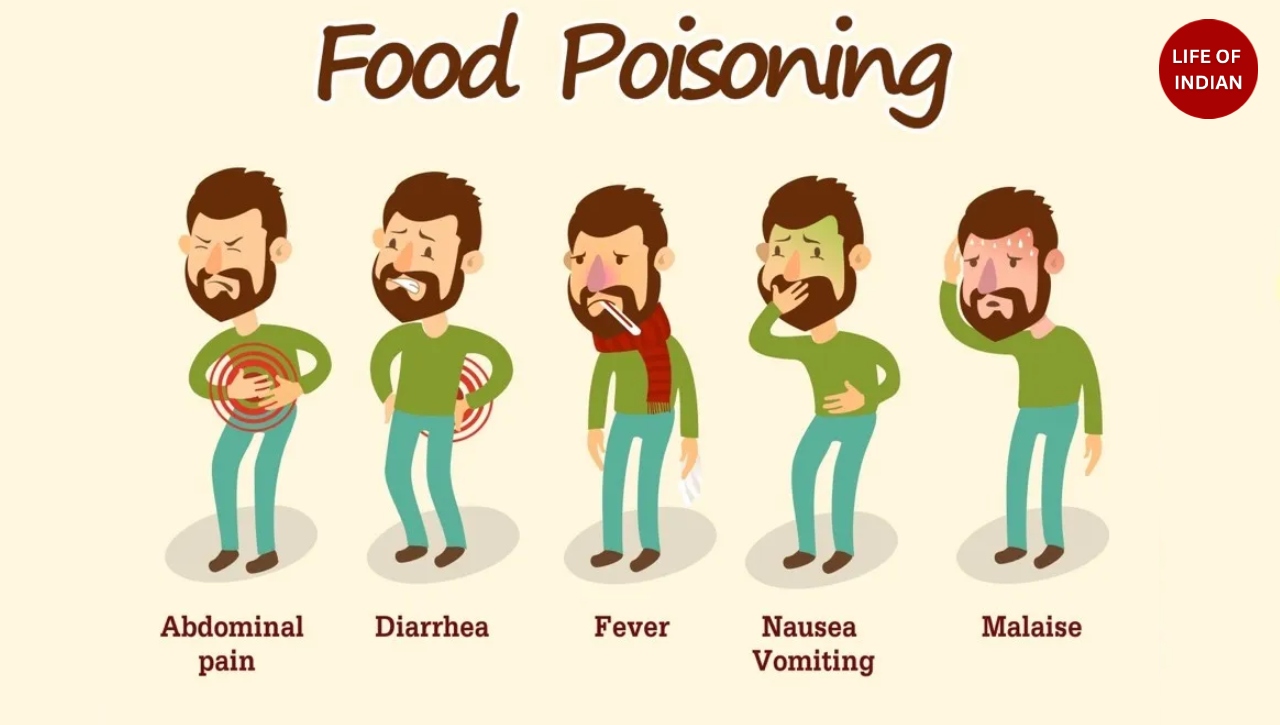
Common symptoms of food poisoning include nausea, vomiting, diarrhea, stomach cramps, fever, headache, and weakness. Symptoms may appear within a few hours or take several days, depending on the type of contaminant.
How Does Food Poisoning Happen?
Food poisoning can occur due to several reasons:
1. Bacterial Contamination
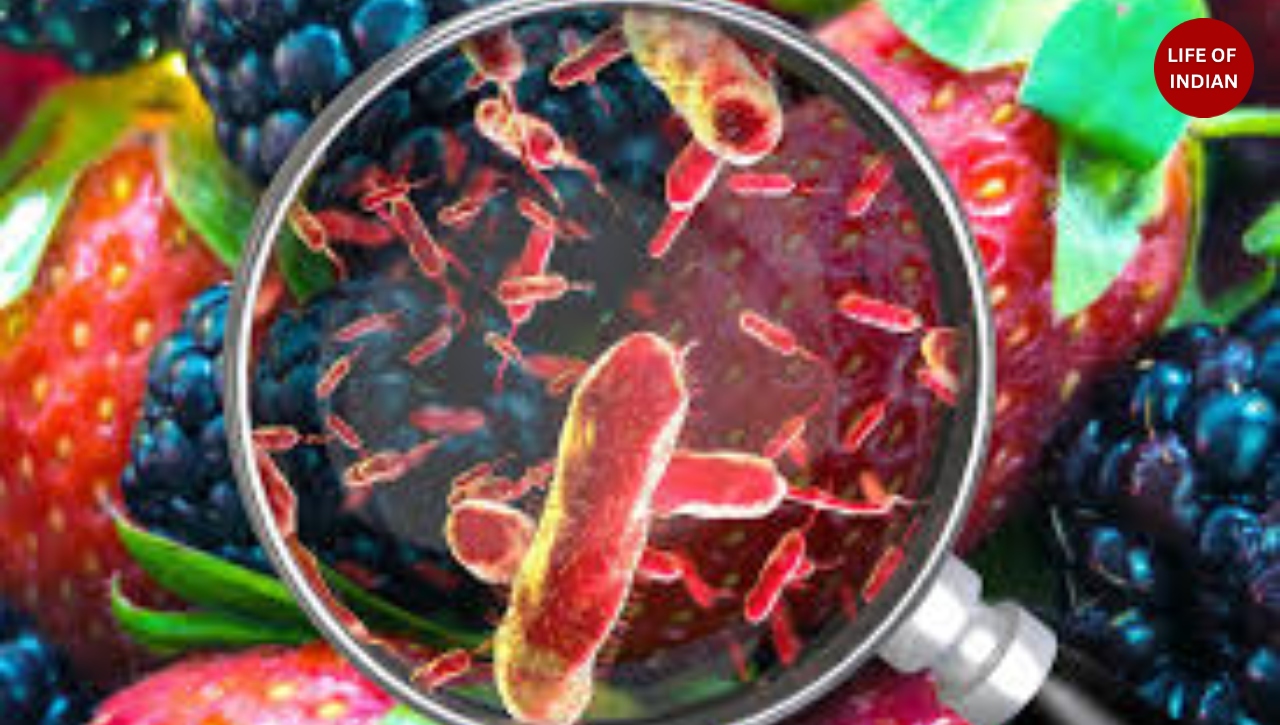
Bacteria are the most common cause of food poisoning. Some well-known bacteria include Salmonella, E. coli, Listeria, and Campylobacter. These bacteria thrive in improperly cooked or stored food.
2. Viral Infection
Viruses such as Norovirus and Hepatitis A can spread through contaminated food and water, often due to poor hygiene practices by food handlers.
3. Parasites
Parasites like Giardia and Toxoplasma can contaminate food or water and cause foodborne illnesses, especially in areas with poor sanitation.
4. Food Toxins
Some bacteria produce toxins that remain in food even after cooking. Additionally, poisonous mushrooms, spoiled seafood, or chemical contaminants can also lead to food poisoning.
5. Improper Food Handling
Not washing hands before cooking, using dirty utensils, cross-contamination between raw and cooked foods, and leaving food uncovered or unrefrigerated for long periods significantly increase the risk.
Common Foods That Cause Food Poisoning
Certain foods are more prone to contamination, such as:
-
Undercooked meat and poultry
-
Raw or undercooked eggs
-
Unpasteurized milk and dairy products
-
Street food prepared in unhygienic conditions
-
Raw seafood
-
Cut fruits and salads left uncovered
-
Leftover food not stored properly
Symptoms of Food Poisoning
Symptoms can vary based on the cause but commonly include:
-
Diarrhea (sometimes with blood)
-
Vomiting
-
Abdominal pain and cramps
-
Fever
-
Dehydration
-
Fatigue and weakness
Severe symptoms such as high fever, persistent vomiting, severe dehydration, or confusion require immediate medical attention.
How to Prevent Food Poisoning (Safety Measures)
Food poisoning is largely preventable by following basic food safety and hygiene practices:
1. Maintain Personal Hygiene
-
Wash hands thoroughly with soap and water before cooking or eating.
-
Ensure food handlers follow proper hygiene standards.
2. Cook Food Properly
-
Cook meat, poultry, and eggs thoroughly to kill harmful bacteria.
-
Avoid consuming half-cooked or raw food.
3. Store Food Safely
-
Refrigerate perishable food promptly.
-
Do not leave cooked food at room temperature for more than two hours.
-
Keep raw and cooked food separate.
4. Drink Safe Water
-
Use clean, filtered, or boiled water for drinking and cooking.
-
Avoid ice or beverages made from unsafe water.
5. Be Careful With Street Food
-
Avoid eating food from unhygienic roadside stalls.
-
Choose freshly prepared hot food instead of items kept uncovered.
6. Wash Fruits and Vegetables
-
Wash produce thoroughly under clean running water before consumption.
-
Peel fruits if cleanliness is doubtful.
Treatment of Food Poisoning
Most mild cases can be managed at home with rest and proper hydration. Drinking plenty of fluids such as water, oral rehydration solutions, and clear soups helps prevent dehydration. Avoid oily, spicy, or heavy food during recovery.
In severe cases, doctors may prescribe medications or antibiotics depending on the cause. Hospitalization may be required if complications arise.
Food poisoning is a preventable health issue that mainly results from poor hygiene, unsafe food handling, and lack of awareness. By following simple food safety practices, maintaining cleanliness, and being cautious about what we eat, the risk of food poisoning can be significantly reduced. Awareness and prevention are the strongest tools to protect ourselves and our families from foodborne illnesses.