

Dr BR Ambedkar: Dr Bhimrao Ramji Ambedkar is universally remembered as the chief architect of the Indian Constitution and one of the most influential thinkers in modern Indian history. His role in drafting the Constitution was not merely technical but deeply philosophical, shaped by his lifelong struggle against social injustice, caste discrimination, and inequality. The Constitution of India, which came into force on 26 January 1950, reflects Ambedkar’s vision of a democratic nation built on liberty, equality, and fraternity.
Early Life and Intellectual Foundation
Born on 14 April 1891 in Mhow (present-day Madhya Pradesh), Dr Ambedkar belonged to a Dalit family that faced severe social discrimination. These early experiences of exclusion profoundly influenced his thinking and determination to reform Indian society.
Ambedkar was an exceptional scholar. He earned advanced degrees from some of the world’s most prestigious institutions, including Columbia University (USA) and the London School of Economics. His academic training in economics, law, political science, and sociology gave him a global perspective on constitutional governance, democracy, and social justice. This intellectual depth later became crucial in shaping India’s constitutional framework.
Appointment as Chairman of the Drafting Committee
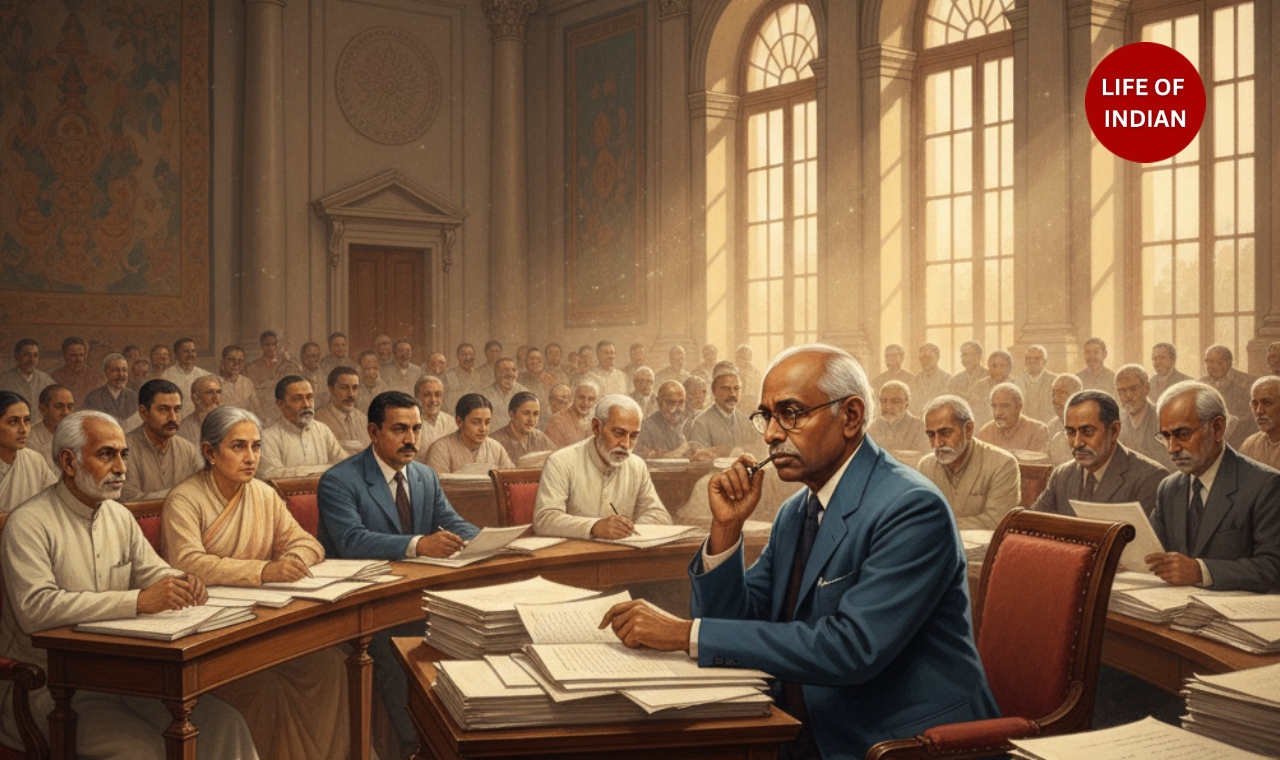
After independence in 1947, the task of drafting India’s Constitution was entrusted to the Constituent Assembly. Recognizing Ambedkar’s legal brilliance and deep understanding of social issues, he was appointed Chairman of the Drafting Committee on 29 August 1947.
Despite facing political opposition and social prejudice, Ambedkar emerged as the most capable leader for this responsibility. He worked tirelessly, often under immense pressure, to transform diverse opinions into a coherent constitutional document.
Ambedkar’s Vision for the Constitution

Dr Ambedkar believed that political democracy could not survive without social and economic democracy. According to him, merely granting the right to vote was not enough unless citizens were treated equally in society.
His vision rested on three foundational principles:
-
Liberty – Freedom of thought, expression, belief, and action
-
Equality – Equal status and opportunity for all citizens
-
Fraternity – A sense of brotherhood ensuring unity and dignity
These ideals were explicitly enshrined in the Preamble of the Indian Constitution, which Ambedkar considered the soul of the document.
Key Contributions of Dr Ambedkar
1. Fundamental Rights
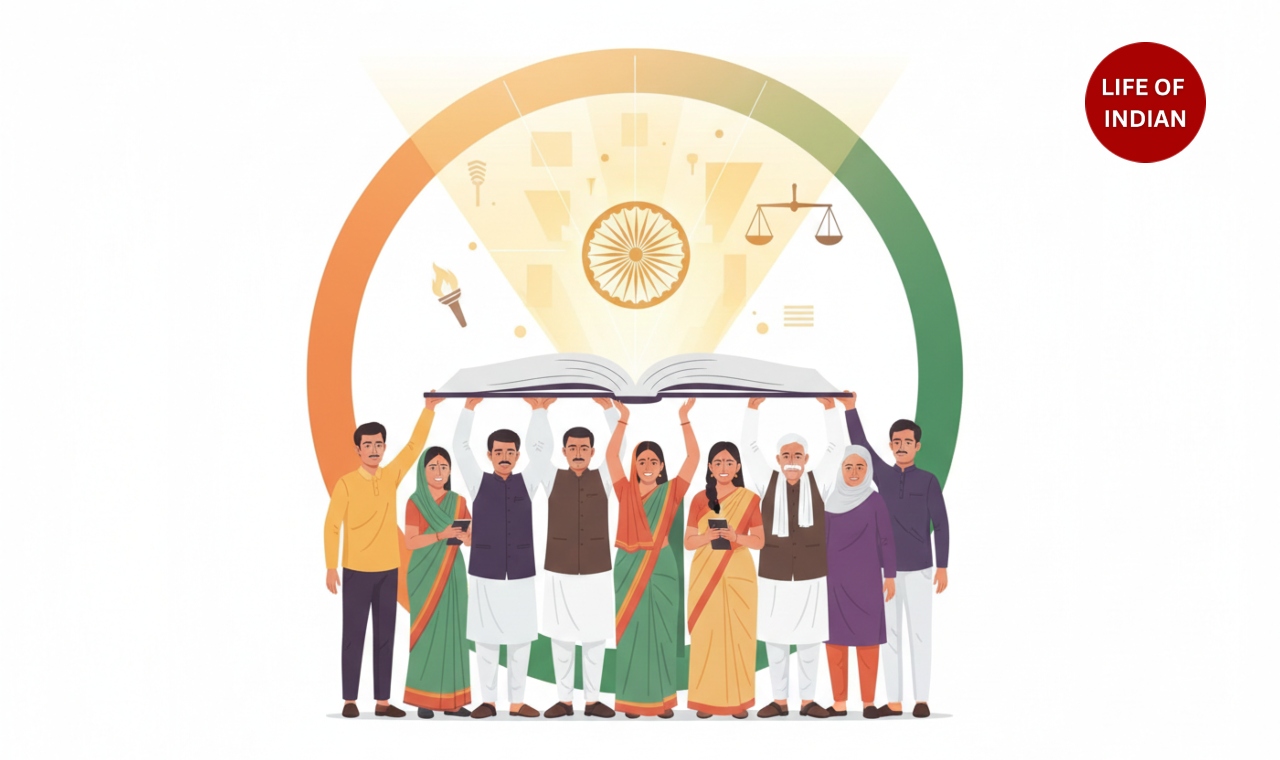
One of Ambedkar’s most significant contributions was the inclusion of Fundamental Rights (Articles 12–35). These rights guarantee equality before law, freedom of speech, religion, and protection against exploitation.
Ambedkar strongly argued that rights must be justiciable, meaning citizens should have the power to approach courts if their rights are violated. This provision strengthened democracy and protected individuals from state overreach.
2. Abolition of Untouchability
Article 17 of the Constitution, which abolishes untouchability, is a direct reflection of Ambedkar’s lifelong fight against caste discrimination. He regarded this provision as a moral and social revolution, aimed at restoring dignity to millions of oppressed Indians.
3. Reservation and Social Justice
Ambedkar advocated affirmative action in the form of reservations for Scheduled Castes and Scheduled Tribes. He viewed reservations not as charity but as a necessary tool to ensure equal opportunity for historically marginalized communities.
4. Strong Federal Structure with a Powerful Centre
Drawing lessons from global constitutions, Ambedkar supported a federal structure with a strong central government. He believed this was essential to maintain unity and integrity in a diverse and newly independent nation.
5. Independent Judiciary
Ambedkar emphasized the need for an independent judiciary to protect constitutional values. The Supreme Court was empowered to act as the guardian of the Constitution, ensuring that laws passed by the legislature align with constitutional principles.
Challenges Faced During Constitution Making
Drafting the Constitution was not an easy task. Ambedkar faced criticism from multiple sides—some felt the Constitution was too centralized, others believed it borrowed excessively from Western models.
In response, Ambedkar famously argued that a Constitution must be judged not by its origins but by how effectively it works. He maintained that adaptability and flexibility were essential for a living document meant to guide a dynamic society.
Ambedkar’s Final Warning to the Nation
In his final speech to the Constituent Assembly on 25 November 1949, Dr Ambedkar issued a powerful warning. He cautioned Indians against hero-worship, social inequality, and abandoning constitutional methods for achieving change.
He believed that democracy in India would remain fragile unless social justice became a lived reality. His words continue to resonate, reminding citizens that the Constitution’s success depends on the values upheld by society.
Legacy of Dr BR Ambedkar
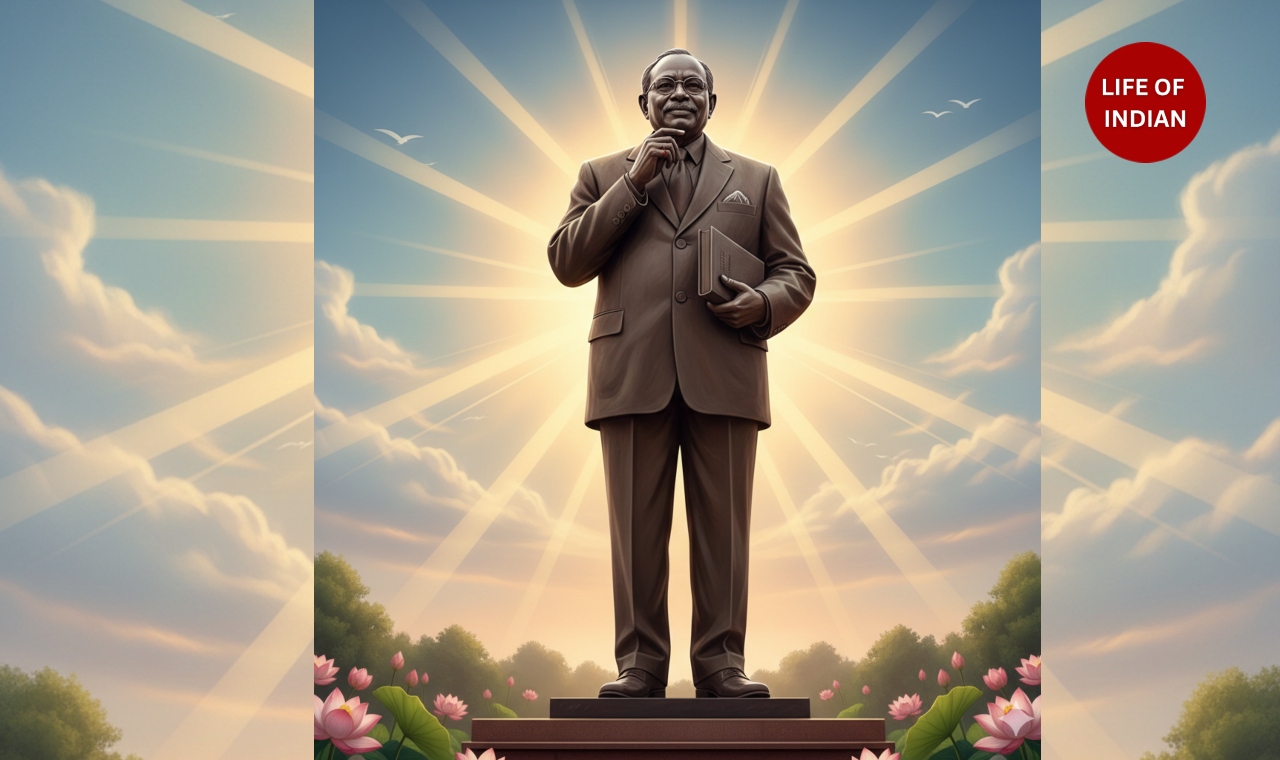
Dr Ambedkar passed away on 6 December 1956, but his legacy remains deeply embedded in India’s democratic fabric. The Constitution he helped shape has guided the nation through political transitions, social reforms, and constitutional challenges for over seven decades.
Today, Dr BR Ambedkar is remembered not only as the chief architect of the Indian Constitution but also as a visionary social reformer who transformed the idea of justice in India.
The making of the Indian Constitution is inseparable from the life and vision of Dr BR Ambedkar. His commitment to equality, justice, and human dignity turned the Constitution into a powerful instrument of social transformation. As India continues to evolve, Ambedkar’s ideas remain as relevant as ever, reminding us that true democracy lies in ensuring dignity and opportunity for every citizen.