
Basant Panchami: Basant Panchami is widely celebrated across India as the festival that welcomes spring and honors Goddess Saraswati, the deity of knowledge, wisdom, and art. Schools, colleges, and cultural institutions organize special prayers and events on this day. However, there is one extraordinary place in India where Hindus and Muslims come together to celebrate Basant Panchami as a shared spiritual tradition—the revered Dargah of Sufi saint Hazrat Nizamuddin Auliya in Delhi.
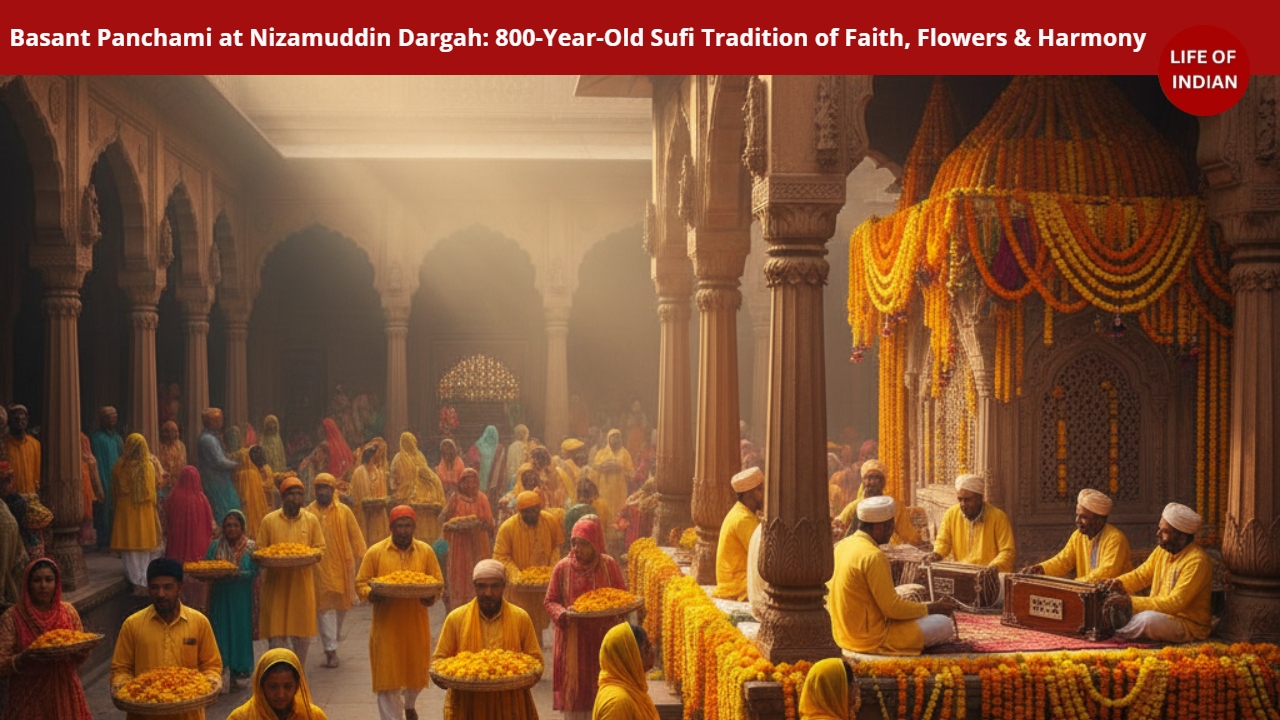
On Basant Panchami, the entire dargah complex is adorned with yellow flowers, especially mustard blossoms, symbolizing the joy of spring. The celebration transforms the shrine into a living symbol of hope, renewal, and communal harmony. But why is a Hindu festival celebrated with such devotion at a Sufi shrine? The answer lies in a moving story that dates back over 800 years.
Basant Panchami: Date and Spiritual Meaning
According to the Hindu calendar, Basant Panchami is observed on the fifth day (Panchami) of the bright half of the Magh month. In the Islamic calendar, this period coincides with the third day of the fifth lunar month, a day that later came to be known among Sufis as “Sufi Basant.”
The festival marks the arrival of spring, a season associated with new beginnings, growth, and spiritual awakening. Yellow, the color of blooming mustard fields, represents energy, optimism, and divine grace—values deeply respected in both Hindu and Sufi traditions.
Hazrat Nizamuddin Auliya: The Sufi Saint of Love and Compassion
Hazrat Nizamuddin Auliya belonged to the Chishti Sufi order, one of the most influential Sufi traditions in India, founded by Khwaja Moinuddin Chishti of Ajmer. Born in 1228 AD in Badaun (present-day Uttar Pradesh), his full name was Hazrat Sheikh Khwaja Syed Muhammad Nizamuddin Auliya.
Known for his teachings of love, humility, service, and devotion to God, Hazrat Nizamuddin Auliya believed that spirituality transcended religious boundaries. Today, his dargah in Delhi is among the four major Sufi shrines in India, attracting devotees from all faiths.
The Tragic Loss That Changed Everything
Hazrat Nizamuddin Auliya never had children of his own, but he was deeply attached to his sister’s son, Khwaja Taqiuddin Nuh. When his beloved nephew passed away after a prolonged illness, the saint was overwhelmed with grief.
So deep was his sorrow that he withdrew into seclusion, refusing to step out of his residence, known as Chilla-e-Khanqah. His disciples were deeply concerned, especially his closest follower—the legendary poet, musician, and scholar Hazrat Amir Khusro.
Amir Khusro and the Birth of Basant at the Dargah
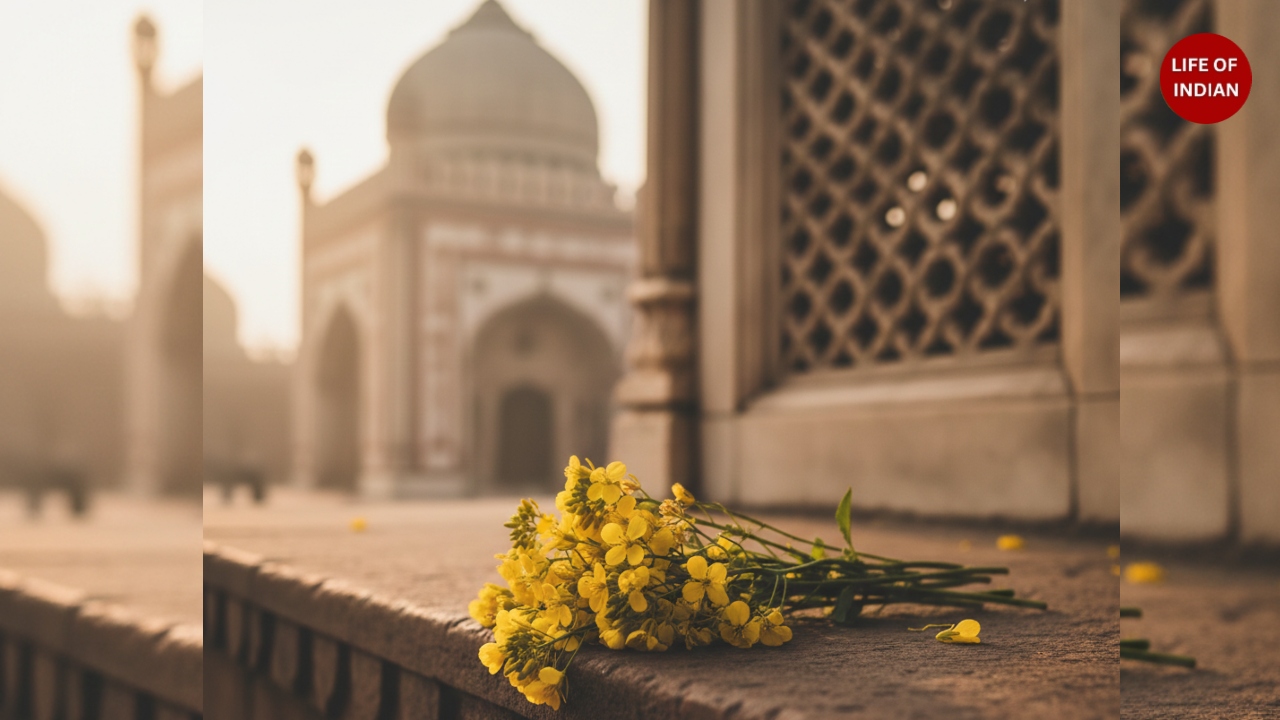
One day, Amir Khusro noticed a group of village women walking by, dressed in yellow saris, carrying mustard flowers, and singing joyfully. Curious, he asked where they were going. The women replied that they were on their way to the temple to offer flowers to their deity to celebrate Basant Panchami.
When Khusro asked whether such offerings truly pleased God, the women confidently answered, “Yes.”
That moment sparked an idea.
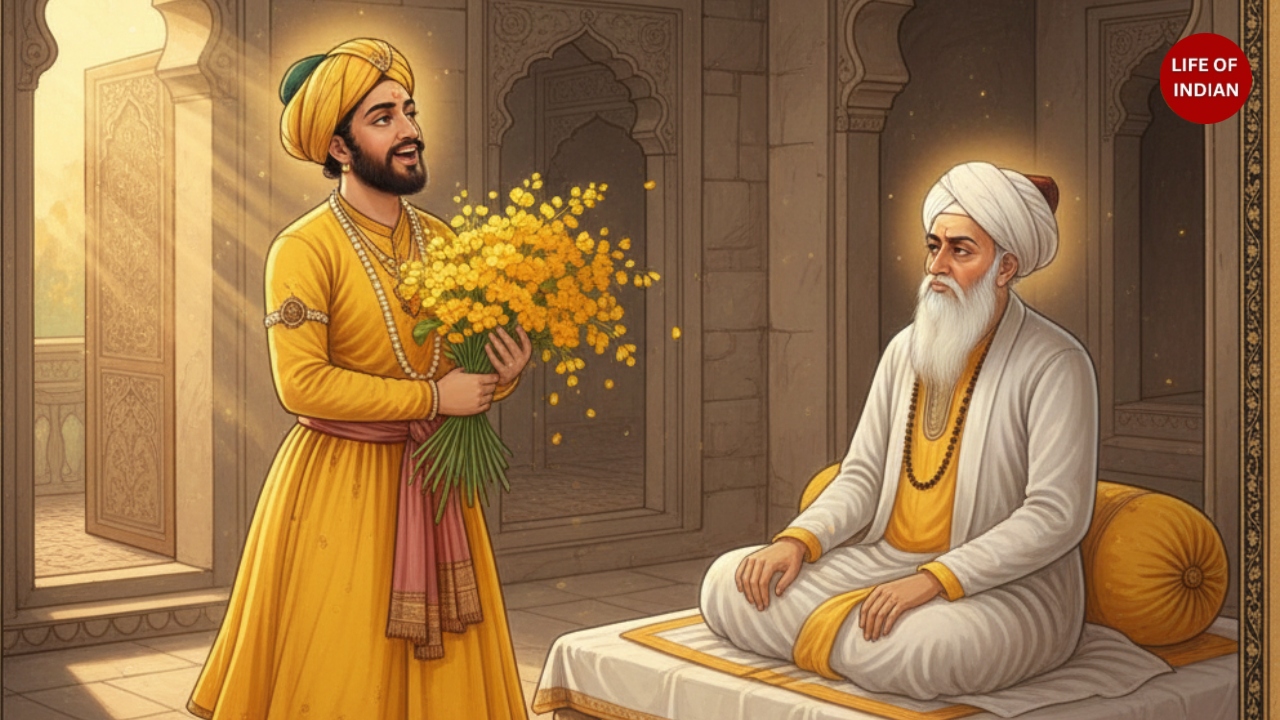
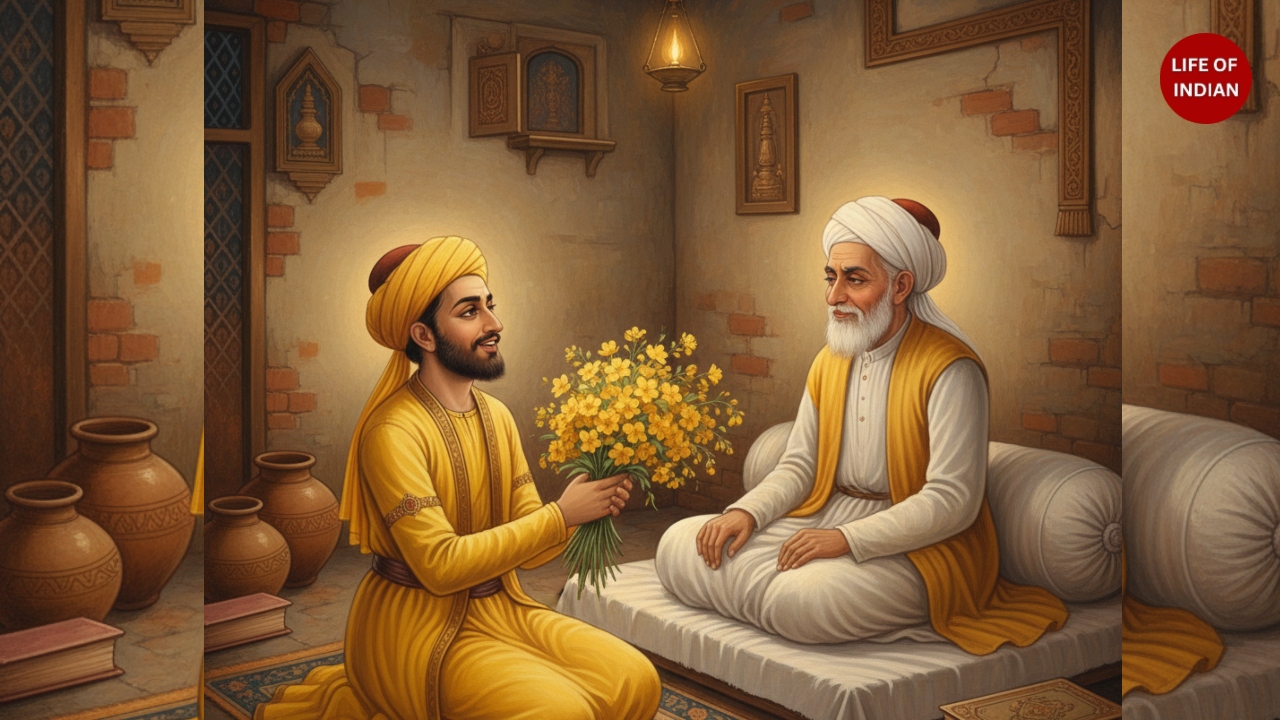
Inspired, Amir Khusro dressed himself in yellow, picked mustard flowers, and walked towards Hazrat Nizamuddin Auliya’s residence, singing the famous verse:
“Sakal ban phool rahi sarson…”
(The mustard fields are in full bloom…)
A Smile That Started a Tradition
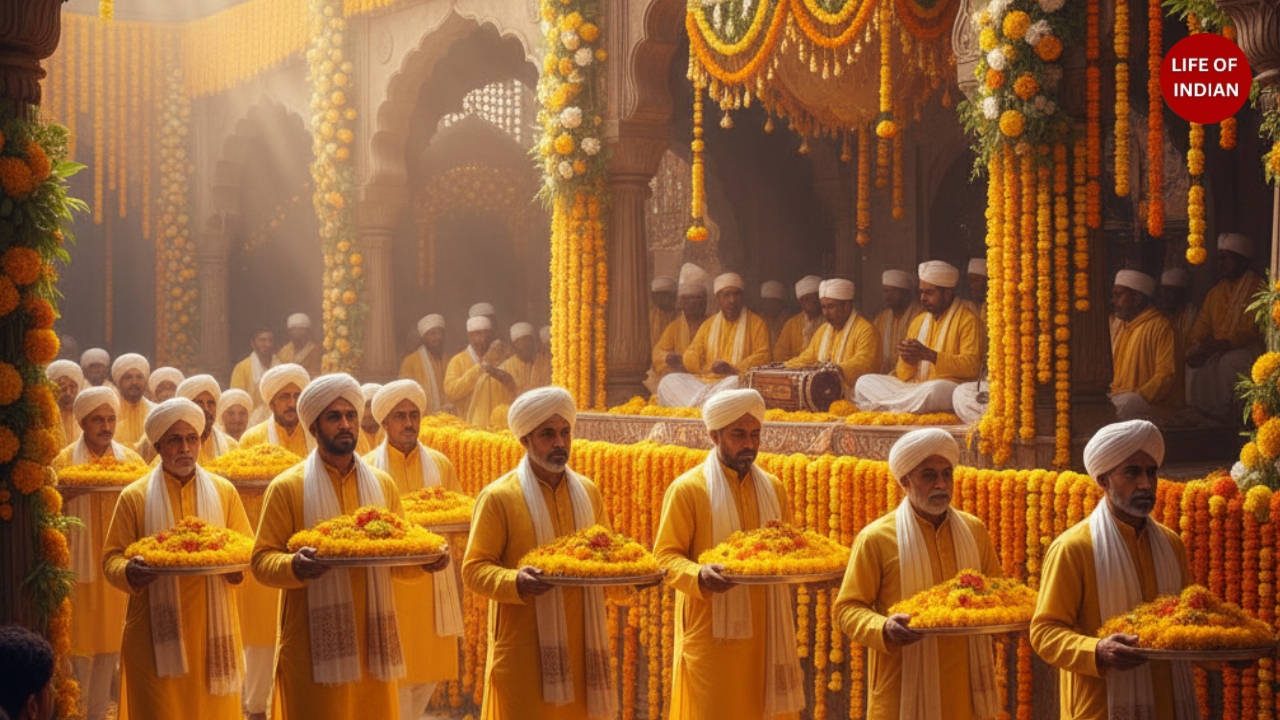
Seeing Amir Khusro’s bright attire and hearing his joyful song, Hazrat Nizamuddin Auliya smiled for the first time since his nephew’s death. His grief lifted, if only for a moment, and joy returned to his face.
That single moment marked the beginning of the Basant Panchami celebration at the Nizamuddin Dargah. From that day onward, the festival became an annual tradition—celebrated not as a religious ritual, but as a spiritual expression of joy, renewal, and love.
How Basant Panchami Is Celebrated at Nizamuddin Dargah Today
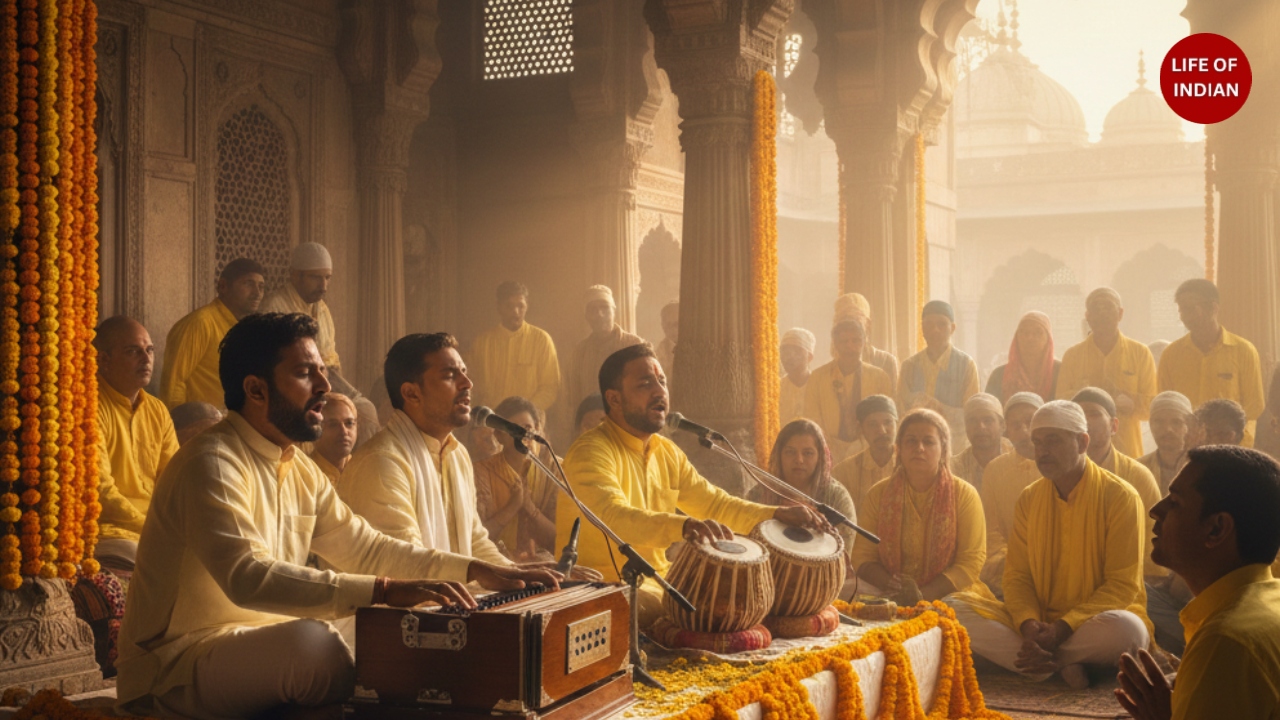
Even today, the tradition continues with the same spirit:
-
The dargah is beautifully decorated with yellow flowers
-
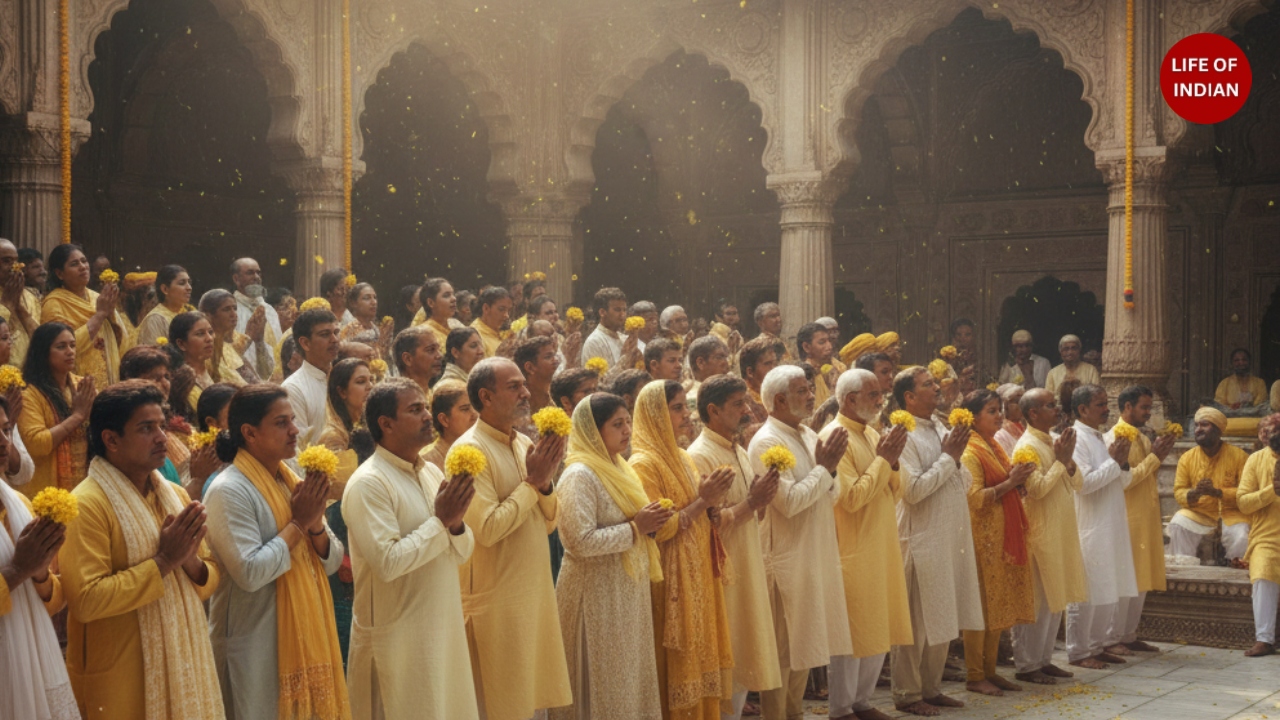
Devotees wear yellow clothes
-
Mustard flowers are offered at the shrine
-
Qawwali sessions celebrate the arrival of spring
-
Hindus and Muslims participate together in the festivities
The celebration usually begins after the Asr (afternoon) prayer. Qawwals gather near the tomb of Mirza Ghalib, a detail that has intrigued historians. According to cultural historian Rana Safvi, it is believed that this may be the very spot where Amir Khusro first sang to uplift his spiritual master.
A Living Symbol of India’s Shared Culture
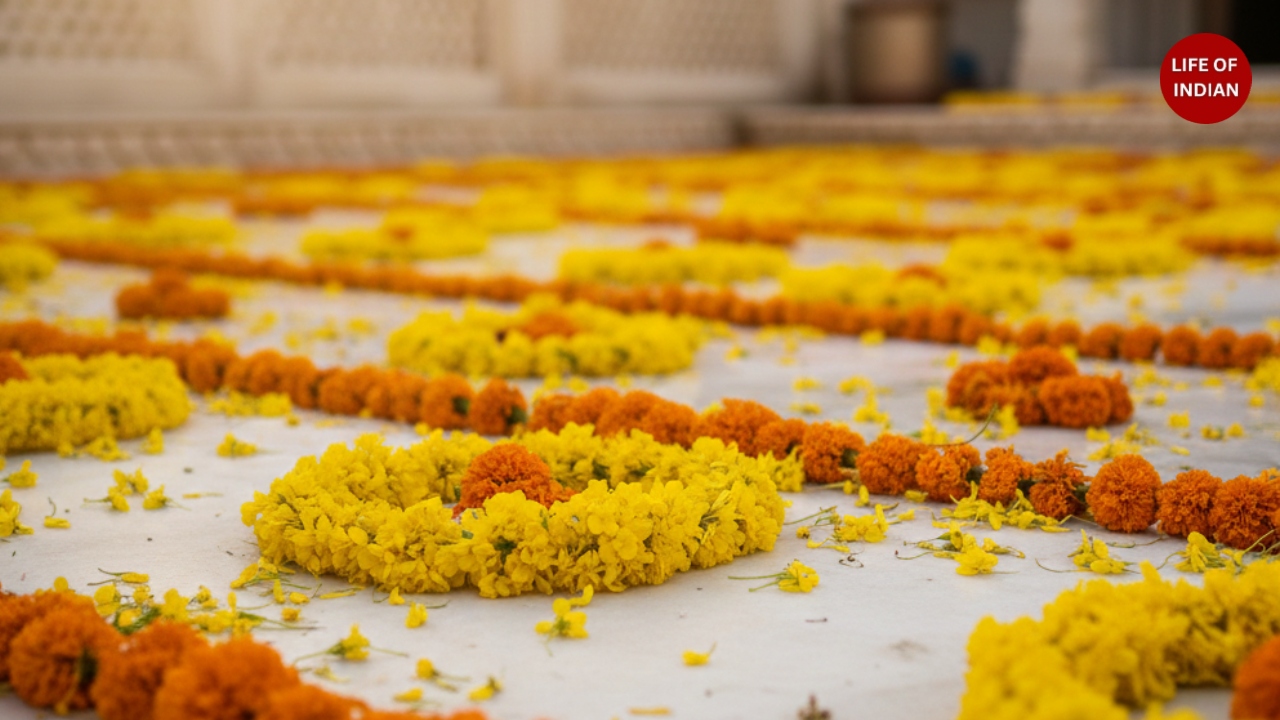
For more than eight centuries, Basant Panchami at Nizamuddin Dargah has stood as a powerful reminder that faith can unite rather than divide. It represents India’s syncretic culture, where traditions blend seamlessly, and spirituality speaks a universal language.
In a world often divided by differences, the yellow-clad celebration at Nizamuddin Dargah continues to bloom—just like the mustard flowers of spring—spreading hope, harmony, and human connection.
Disclaimer
This article is based on historical accounts, cultural traditions, and widely accepted narratives. Interpretations may vary across sources.