


Banjaras: In the vast cultural landscape of India, there exists a community whose history is not written in books alone, but in journeys, dust-filled roads, and countless untold stories—the Banjara community. Known for their vibrant culture, colorful attire, and wandering lifestyle, Banjaras are often called the “nomads of India.”
But behind this identity lies a deep and emotional history—of migration, survival, dignity, and struggle.
Where Did the Banjaras Come From?

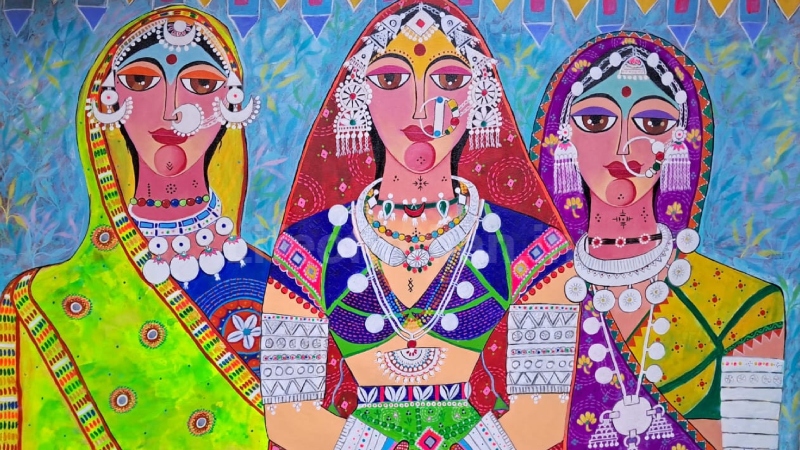
The origin of the Banjaras has always been a subject of debate among historians. Most widely accepted theories suggest that they originated from the Rajasthan region, particularly Mewar and Marwar.
Some historians link their roots to ancient trading communities derived from the Sanskrit word “vanij” (trader), indicating that Banjaras were originally merchants and transporters.
There are also beliefs within the community that they have Rajput ancestry, and during invasions or political instability, they moved into forests and adopted a mobile lifestyle to survive.
Because they were always on the move and left little written history, their past remains partly mysterious—passed down through oral traditions rather than documented records.
Who Were the Banjaras? Traders, Carriers, and Lifelines of India
Long before railways and highways, the Banjaras were the backbone of India’s trade system.
They were not just travelers—they were transporters of life itself. Using bullock carts, camels, and caravans, they carried:
- Food grains
- Salt
- Weapons
- Daily essentials
across kingdoms and regions.
Their caravans could stretch for miles, connecting remote villages and major kingdoms. Kings and armies depended on them, especially during wars.
From the Mughal emperors to Maratha rulers, Banjaras played a crucial role in maintaining supply chains.
They were not just traders—they were the invisible force that kept civilizations running.
Why Did They Have No Permanent Home?
The biggest question people ask is—why were Banjaras always nomadic?
The answer lies in their profession. Since their work was to transport goods across regions, they had to constantly move from one place to another. Settling in one place would have meant losing their livelihood.
Their temporary settlements were called “tandas”—small moving camps that shifted every few days.
This wandering life was not a choice of instability—it was a way of survival and economic necessity.
Over time, this mobility became their identity.
How Did They Become “Banjaras”?
The word “Banjara” itself is believed to come from:
- “Ban” (forest) + “jara” (to move) → those who move through forests
or - From “vanij” (trader), highlighting their commercial roots
Over centuries, these traveling traders came to be known collectively as Banjaras—a community defined not by land, but by movement.
The British Era: A Dark Chapter of Injustice
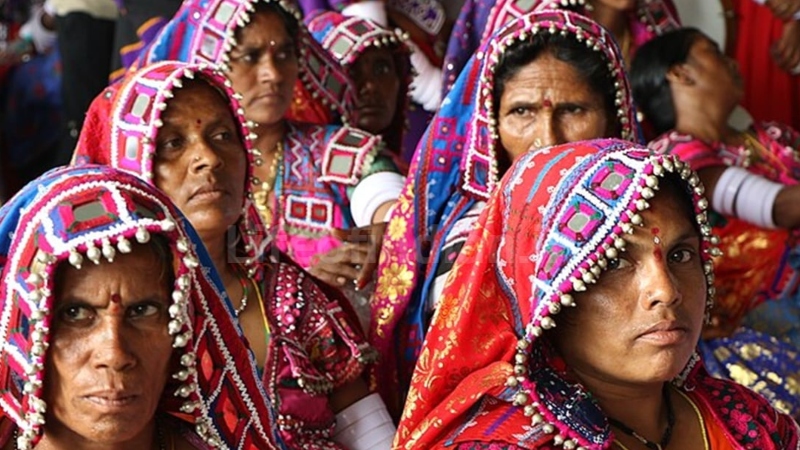
If there is one phase that deeply scarred the Banjara community, it was the British colonial period.
In 1871, the British government passed the Criminal Tribes Act, under which Banjaras and many other nomadic tribes were labeled as “hereditary criminals.”
This was not just a law—it was a stigma that destroyed lives.
- Their movement was restricted
- They were forced to report regularly to police
- Entire communities were treated with suspicion
At the same time, the arrival of railways and modern transport made their traditional work obsolete.
Imagine a community that once fed armies and kingdoms—suddenly being called criminals and left without work.
This forced many Banjaras to:
- Settle in forests or villages
- Become laborers or farmers
- Or struggle to survive in extreme poverty
It was not their identity that changed—it was their circumstances that broke them.
Life After Independence: Identity Still in Struggle
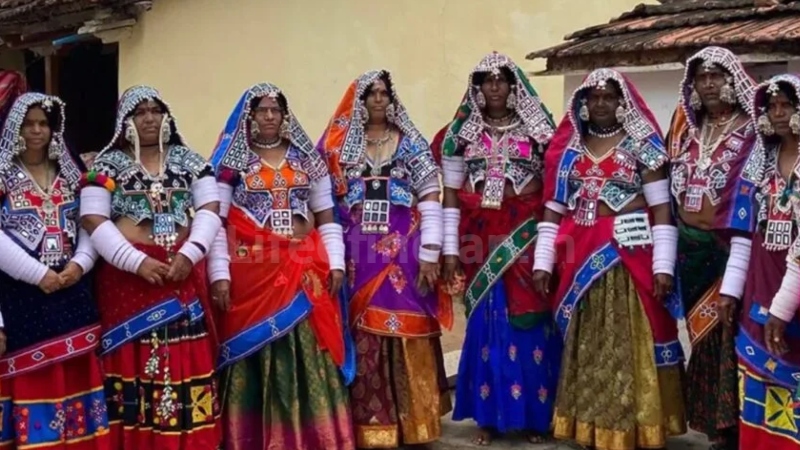
After India gained independence, the Criminal Tribes Act was abolished, and Banjaras were reclassified as Denotified Tribes.
But the social stigma did not disappear overnight.
Even today, Banjaras are classified differently across states—
- Scheduled Tribe (ST) in some regions
- OBC or SC in others
This fragmented identity reflects the complexity of their history and the challenges they still face.
Culture, Strength, and Identity
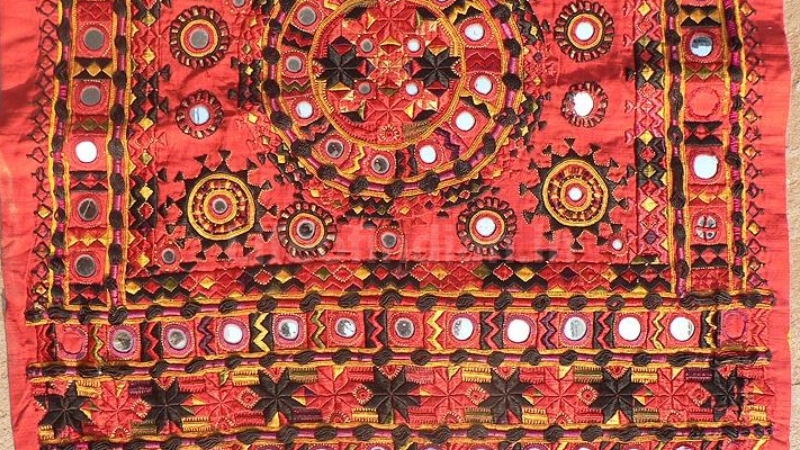
Despite centuries of struggle, the Banjara community has preserved its rich culture.
Their identity shines through:
- Vibrant embroidered clothing
- Traditional dance and music
- Strong community bonds
- A deep sense of pride and resilience
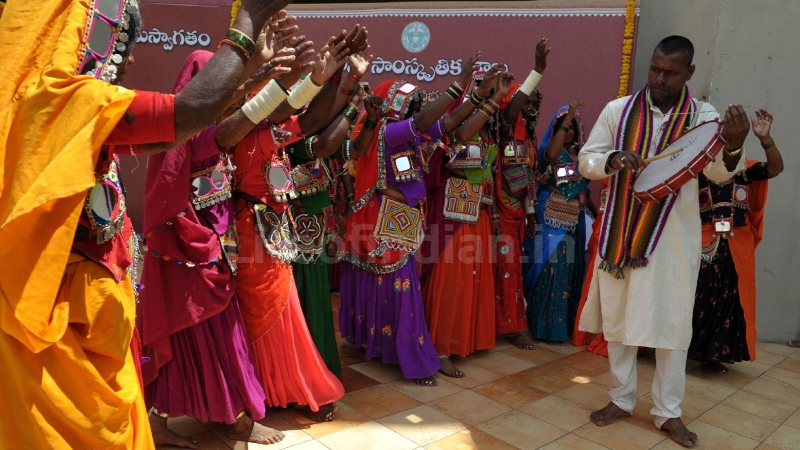
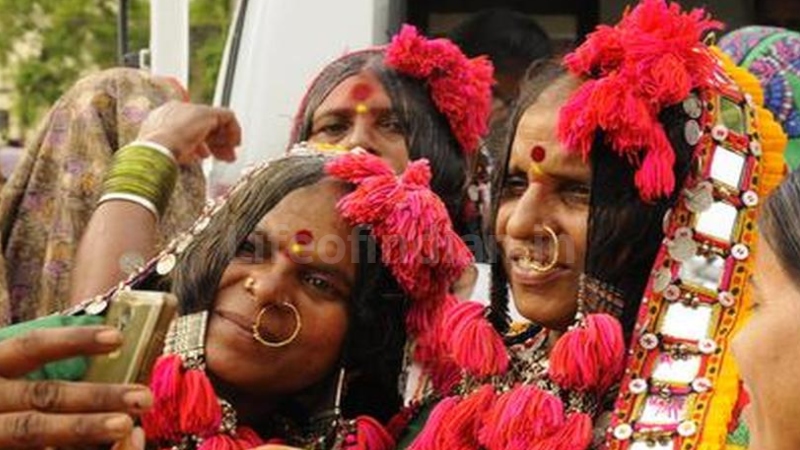
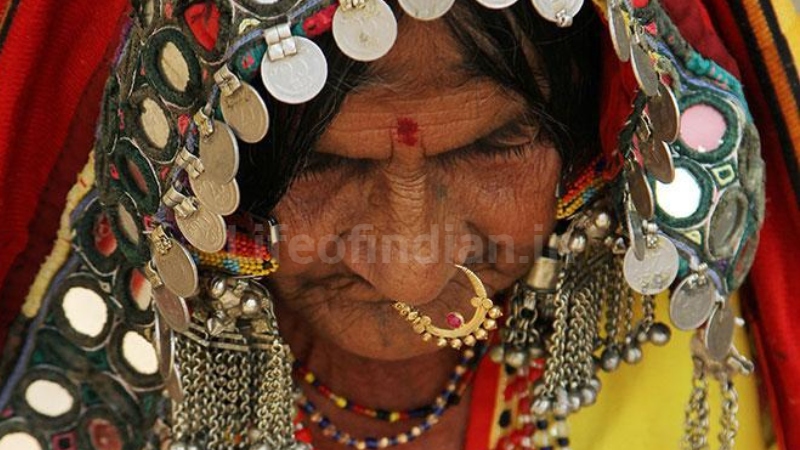
Banjara women, especially, are known for their beautiful mirror-work embroidery, which tells stories of their journey and heritage.
A Story of Survival, Not Just History
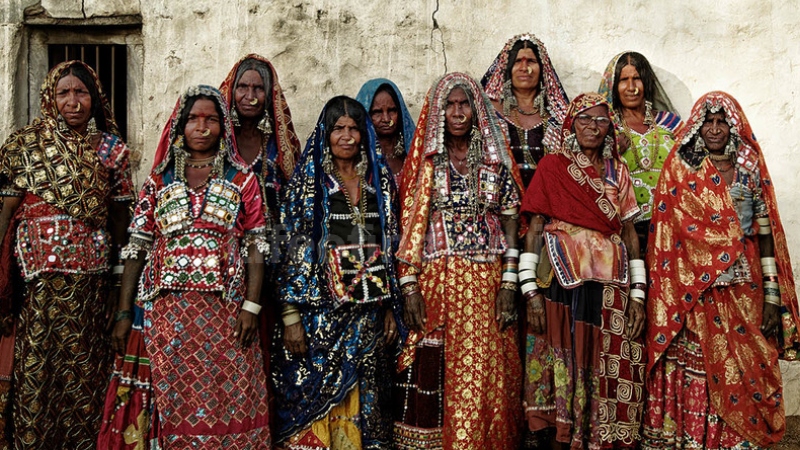
The story of the Banjaras is not just about a tribe—it is about movement, survival, and dignity.
They were once the lifeline of India’s economy, then labeled as criminals, and today continue to fight for recognition and respect.
Their journey reminds us that history is not always fair—but resilience can keep identity alive.
The Banjaras may not have had a fixed home, but they carried an entire civilization on their shoulders.
And perhaps, that is their greatest legacy.
FAQ
1. Who are the Banjaras?
The Banjaras are a nomadic community of India traditionally known for transporting goods like grains, salt, and essentials across regions before modern transport systems existed.
2. Where did the Banjaras originate from?
Most historians believe the Banjaras originated from Rajasthan, particularly the regions of Mewar and Marwar, with possible links to Rajput ancestry and ancient trading groups.
3. Why did Banjaras live a nomadic life?
Banjaras had to travel continuously due to their work as traders and transporters, which is why they did not settle permanently in one place.
4. What happened to Banjaras during British rule?
During British rule, they were labeled as “criminals” under the Criminal Tribes Act of 1871, which restricted their movement and destroyed their traditional livelihood.
5. What is unique about Banjara culture?
Banjara culture is known for its colorful clothing, mirror-work embroidery, folk music, dance, and strong community traditions that have survived despite centuries of hardship.