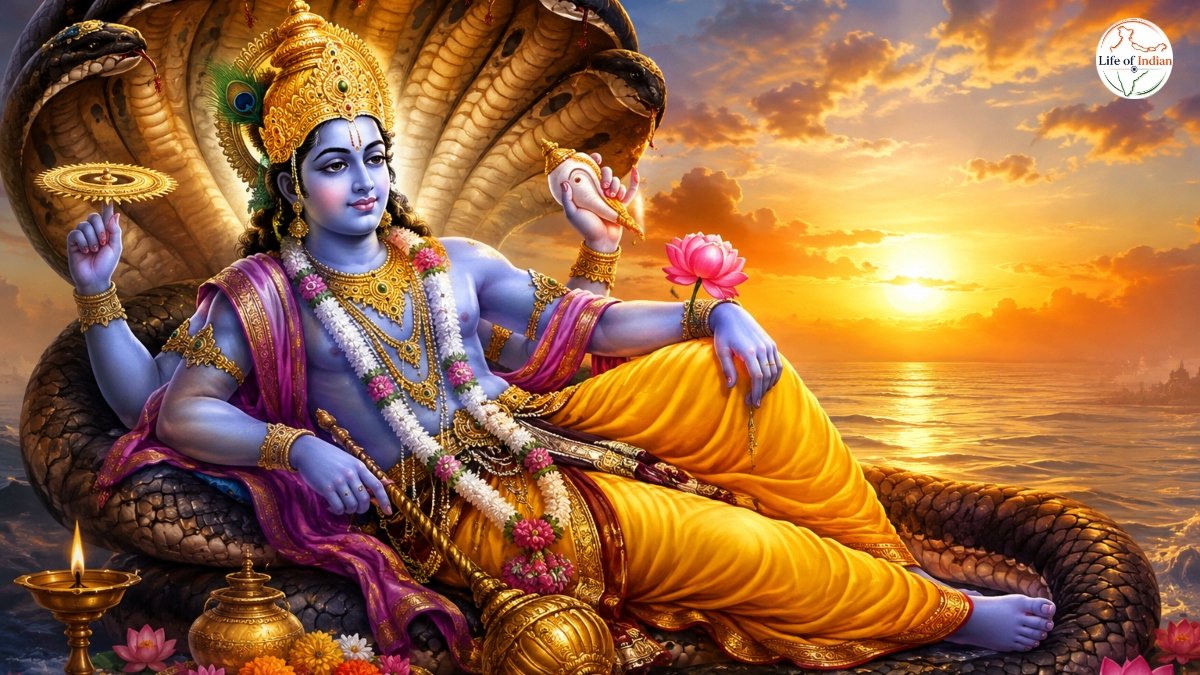
Kamika Ekadashi 2026 is one of the important Ekadashi fasting days dedicated to Lord Vishnu. Observed during the Krishna Paksha, or waning phase of the Moon, in the month of Shravan (Sawan), this sacred day is believed to be especially powerful for devotion, spiritual purification and seeking the blessings of Lord Vishnu.
This year, there is some confusion about whether Kamika Ekadashi will be observed on August 8 or August 9, 2026, because the Ekadashi Tithi begins during the afternoon of August 8 and continues into August 9. According to the Udaya Tithi-based observance followed for the Ekadashi fast, Kamika Ekadashi Vrat will be observed on Sunday, August 9, 2026.
According to the Panchang timings for Delhi, the Ekadashi Tithi begins at 1:59 PM on August 8 and ends at 11:04 AM on August 9. The fast will therefore be observed on August 9, while the Parana, or breaking of the fast, will take place on August 10 between 5:47 AM and 8:00 AM.
Kamika Ekadashi is particularly associated with Lord Vishnu, Tulsi worship, charity, devotional prayers and the spiritual discipline of fasting. Ancient Ekadashi traditions describe this day as highly meritorious for those who observe it with faith and sincerity.
Kamika Ekadashi 2026 Date and Time
The most important details for Kamika Ekadashi 2026 are as follows:
Kamika Ekadashi: Sunday, August 9, 2026
Ekadashi Tithi Begins: August 8, 2026, at 1:59 PM
Ekadashi Tithi Ends: August 9, 2026, at 11:04 AM
Parana Date: Monday, August 10, 2026
Parana Time: 5:47 AM to 8:00 AM
Deity Worshipped: Lord Vishnu
Paksha: Krishna Paksha
Month: Shravan (Sawan)
The timings above are based on the Delhi/North India Panchang. Ekadashi and Parana timings can vary slightly depending on geographical location, so devotees living outside Delhi should check their local Panchang before beginning or ending the fast. The 2026 ISKCON Ekadashi calendar for Delhi also lists Kamika Ekadashi on August 9 with Parana from 5:47 AM to 8:00 AM.
Why is Kamika Ekadashi on August 9 when the Tithi starts on August 8?
This is the main reason behind the confusion surrounding Kamika Ekadashi 2026. The Ekadashi Tithi does not necessarily begin at midnight. In 2026, it begins at 1:59 PM on August 8. Since Ekadashi Tithi continues through the following morning and is present at sunrise on August 9, the fasting observance is assigned to August 9 under the relevant Ekadashi observance rules.
Therefore, devotees following the commonly used Udaya Tithi-based calendar should observe Kamika Ekadashi Vrat on August 9, rather than August 8.
What is Kamika Ekadashi?
Kamika Ekadashi is the Ekadashi that occurs during the Krishna Paksha of the Shravan month. The word “Ekadashi” literally refers to the eleventh lunar day, and two Ekadashis occur during a traditional lunar month—one during Shukla Paksha and another during Krishna Paksha. Ekadashi fasting is especially associated with Lord Vishnu and is observed by millions of devotees across India and around the world. The purpose of the vrat is not merely abstaining from food. It is traditionally understood as a day for controlling the senses, reducing worldly distractions and dedicating one’s mind to prayer, meditation and devotion.
Kamika Ekadashi is considered particularly significant because it falls during Shravan, a spiritually important month in the Hindu calendar. According to traditional accounts of Kamika Ekadashi, listening to or reciting its glory, worshipping Lord Vishnu with devotion and observing the fast are associated with spiritual merit and purification.
Why is Kamika Ekadashi Important?
Kamika Ekadashi holds an important place in Vaishnava traditions because it is dedicated to Lord Vishnu. Devotees believe that sincere observance of the vrat can help overcome negative tendencies, strengthen devotion and move a person towards spiritual discipline. The religious significance of Kamika Ekadashi is described in traditional Ekadashi Mahatmya literature. The story and glory of the vrat are associated with teachings transmitted through figures such as Lord Krishna, Bhishma and Narada.
Traditional accounts praise the observance of Kamika Ekadashi as a powerful form of devotion and describe the spiritual merit associated with Vishnu worship, Tulsi offerings, lighting lamps and maintaining vigil. The emphasis, however, is not simply on the material result of fasting. The deeper purpose of Ekadashi is self-control, remembrance of God, charity and purification of one’s thoughts and actions.
Religious Significance of Kamika Ekadashi
The importance of Kamika Ekadashi is described extensively in traditional Hindu literature. According to the Kamika Ekadashi Mahatmya, worshipping Lord Vishnu on this day with devotion is considered highly meritorious. Devotees are encouraged to offer incense, lamps and food offerings to the deity and spend the day in spiritual activities.
The texts also place special importance on Tulsi leaves, which are considered especially dear to Lord Vishnu. Offering Tulsi during Vishnu worship is therefore regarded as one of the most important practices associated with Kamika Ekadashi. Traditional accounts also emphasize the spiritual merit of charity, lamp-lighting, devotion and keeping vigil during the night.
For devotees, the significance of Kamika Ekadashi can therefore be understood through four central ideas:
Fasting, to practise self-control.
Prayer, to strengthen devotion to Lord Vishnu.
Charity, to cultivate compassion and detachment.
Spiritual discipline, to turn the mind away from excessive worldly desires.
Kamika Ekadashi Vrat Katha
The Kamika Ekadashi Vrat Katha is traditionally narrated as part of the glory of this sacred Ekadashi. According to one traditional account, the story is connected with a powerful Kshatriya who accidentally caused the death of a Brahmin during a confrontation. Realising the seriousness of his actions, he sought a way to atone for the sin. He approached the Brahmins for guidance, but because of the gravity of the act, he was told that he needed to undertake proper penance.
The story then turns towards Kamika Ekadashi. Through sincere observance of the fast, worship of Lord Vishnu and devotion, the individual is believed to receive relief from the consequences of his wrongdoing. The deeper message of the story is about repentance, accountability, devotion and spiritual transformation. Kamika Ekadashi is therefore not presented merely as a ritual fast, but as an opportunity to reflect upon one’s actions and seek a more disciplined spiritual life.
Another traditional account of Kamika Ekadashi Mahatmya presents its glory through a dialogue involving Lord Krishna, Bhishma and Narada and emphasizes the importance of Vishnu worship, Tulsi offerings and devotional observance.
Lord Vishnu and Kamika Ekadashi
Lord Vishnu is the presiding deity of Kamika Ekadashi. Devotees generally worship Vishnu in forms such as Lord Narayana, Lord Krishna or Lord Hari on Ekadashi. The day is dedicated to remembering Vishnu through prayers, chanting, reading sacred texts and performing puja. A simple Vishnu puja can be performed at home without elaborate arrangements. What matters most in the traditional understanding of the vrat is sincerity and devotion.
Devotees may chant:
“Om Namo Bhagavate Vasudevaya”
or
“Om Namo Narayanaya.”
Reading or listening to the Vishnu Sahasranama, Bhagavad Gita or stories associated with Lord Vishnu is also commonly included in devotional practice.
Importance of Tulsi on Kamika Ekadashi
Tulsi occupies a special position in Vaishnava worship. According to the traditional Kamika Ekadashi account, Lord Vishnu is particularly pleased when Tulsi leaves are offered with devotion. The text places greater spiritual importance on a sincere Tulsi offering than on expensive ornaments or material offerings. Devotees can offer fresh Tulsi leaves at the feet of Lord Vishnu while chanting His name.
A simple prayer can be offered with the feeling:
“O Lord Vishnu, please accept this offering made with devotion and bless me with purity, wisdom and spiritual strength.”
Tulsi should be offered respectfully and according to one’s family or religious tradition.
Kamika Ekadashi Puja Vidhi
Devotees can observe Kamika Ekadashi with a simple and devotional puja at home.
1. Wake up early
Begin the day by waking up early and taking a bath. Wear clean clothes and prepare a clean place for worship.
2. Take the fasting vow
Before beginning the day’s worship, devotees may mentally take a Sankalpa to observe the Ekadashi vrat according to their ability and tradition.
3. Worship Lord Vishnu
Place an image or idol of Lord Vishnu, Krishna or Narayana on a clean altar.
Offer water, flowers, Tulsi leaves, incense and a lamp.
4. Offer Tulsi
Offer Tulsi leaves to Lord Vishnu with devotion. Tulsi is one of the most important offerings associated with Vishnu worship on Kamika Ekadashi.
5. Chant Vishnu Mantras
Devotees can chant:
Om Namo Bhagavate Vasudevaya
or
Om Namo Narayanaya
as many times as they comfortably can.
6. Read or listen to the Vrat Katha
Reading or listening to the Kamika Ekadashi Vrat Katha is traditionally considered an important part of the observance.
7. Perform Aarti
In the evening, devotees may perform Vishnu Aarti and offer a ghee or sesame-oil lamp.
8. Spend the day in devotion
Devotees can spend the day chanting, meditating, reading scriptures, visiting a Vishnu temple or performing acts of charity.
What to Eat During Kamika Ekadashi Fast?
Ekadashi fasting rules differ between communities, families and Vaishnava traditions. Therefore, devotees should follow the practice prescribed by their own tradition. A common Ekadashi practice is to avoid grains and cereals during the fast. The ISKCON Ekadashi guidance similarly states that grains and cereals are avoided during Ekadashi fasting. Depending on the type of fast, devotees may consume fasting foods such as fruits, milk and other permitted foods.
Commonly used vrat foods can include:
- Fresh fruits
- Milk and dairy products
- Nuts and dry fruits
- Coconut
- Water
- Foods prepared from permitted fasting flours such as singhara or amaranth, depending on one’s tradition
- Rock salt (sendha namak), where permitted
However, the exact list of permitted foods varies considerably among different traditions.
What Should Be Avoided During Kamika Ekadashi?
Those observing a traditional grain-free Ekadashi generally avoid:
- Rice
- Wheat
- Regular flour
- Lentils and pulses
- Beans
- Cereals
- Grain-based snacks and foods
Some traditions also avoid certain spices, vegetables and other ingredients. Devotees should therefore check the rules followed by their particular sampradaya or family rather than assuming that every Ekadashi food rule is identical. The central principle is to avoid ordinary grain-based meals and devote the day to spiritual practices.
Can You Drink Water During Kamika Ekadashi?
Yes, fasting does not necessarily mean that every devotee must completely stop drinking water. There are different forms of Ekadashi fasting. Some devotees observe a waterless Nirjala fast, while others observe a fast with water, fruits, milk or permitted fasting foods. Traditional ISKCON guidance notes that devotees may choose different levels of fasting depending on their ability and observance.
A Nirjala fast is more physically demanding and should not be undertaken casually. People who are elderly, unwell, pregnant, taking regular medication or otherwise unable to fast strictly should follow a safer form of fasting or seek appropriate medical advice. The spiritual purpose of the vrat should not be reduced to physical suffering.
Kamika Ekadashi Vrat Rules
The following practices are commonly associated with Ekadashi observance:
Avoid grains and cereals
Those following the traditional grain-free fast avoid rice, wheat, pulses and other grains.
Practise self-control
Ekadashi is traditionally considered a day for controlling the senses and reducing unnecessary worldly indulgence.
Avoid anger and negative behaviour
Devotees are encouraged to maintain a peaceful state of mind and avoid arguments, anger and harmful speech.
Chant the name of Lord Vishnu
Mantra chanting, bhajan and meditation can form an important part of the day.
Read sacred texts
Devotees may read the Bhagavad Gita, Vishnu Sahasranama or Ekadashi Mahatmya.
Offer charity
Food, clothes or other forms of charity may be given to people in need according to one’s ability.
Maintain a sattvic environment
The day can be used for spiritual reflection rather than entertainment and excessive material activities.
Kamika Ekadashi Parana 2026: When to Break the Fast?
Parana means breaking the Ekadashi fast. For Kamika Ekadashi 2026 in Delhi, the Parana will be observed on Monday, August 10, 2026, between 5:47 AM and 8:00 AM. Devotees should ideally break the fast within the prescribed Parana period and according to their tradition.
The basic principle is that Ekadashi fasting is continued through the Ekadashi day and is broken on the following day after sunrise, during the appropriate Dwadashi period. Because Parana timings depend on sunrise, location and Panchang calculations, devotees outside Delhi should check the timings for their own city.
What is the Best Way to Break Kamika Ekadashi Fast?
After a full day of fasting, it is advisable to break the fast gently rather than immediately consuming a heavy meal. Devotees can begin with water or another permitted light item according to their tradition and then have a simple meal.
The traditional purpose of Parana is not simply eating after a fast. It marks the proper completion of the Ekadashi observance. Those following a strict Vaishnava tradition should follow the Parana procedure prescribed by their sampradaya.
Spiritual Benefits of Kamika Ekadashi
According to traditional Hindu belief, observing Kamika Ekadashi with sincerity is associated with several spiritual benefits.
Devotees believe that the vrat can help in:
Purifying the mind: Fasting and prayer encourage discipline and introspection.
Strengthening devotion: The day is dedicated to remembering Lord Vishnu.
Seeking forgiveness: The vrat is traditionally associated with repentance and freedom from negative karmic consequences.
Developing self-control: Abstaining from ordinary food and worldly indulgence is viewed as a spiritual discipline.
Cultivating charity: Devotees are encouraged to help others and practise generosity.
Seeking spiritual liberation: Traditional texts connect Ekadashi observance with the pursuit of moksha.
These are religious beliefs and should be understood within the spiritual framework of Hindu traditions rather than as scientifically established outcomes.
Kamika Ekadashi and the Practice of Night Vigil
Some devotees observe Jagran, or staying awake during the night, on Ekadashi. The night may be spent chanting Vishnu’s names, singing bhajans, reading scriptures and listening to religious stories.
Traditional accounts of Kamika Ekadashi attach special importance to lighting a lamp before Lord Vishnu and maintaining devotional awareness during the night. However, staying awake all night is not compulsory for everyone. Devotees can follow the practice according to their health, family tradition and spiritual capacity.
Charity on Kamika Ekadashi
Charity is another important aspect of Ekadashi observance.
Devotees may donate:
- Food
- Clothes
- Water
- Money
- Religious books
- Essential items to people in need
The underlying idea is to use a spiritually significant day to cultivate compassion and generosity. The traditional Kamika Ekadashi Mahatmya particularly praises the merit of charitable acts and devotional offerings.
Kamika Ekadashi During Shravan: Why is it Special?
Shravan, or Sawan, is one of the most spiritually significant months in the Hindu calendar. It is particularly associated with Lord Shiva, but important observances dedicated to other deities also occur during this period. Kamika Ekadashi falls during the Krishna Paksha of Shravan and therefore brings together the spiritual atmosphere of the sacred month with the Vaishnava tradition of Ekadashi fasting.
While devotees of Lord Shiva may be observing Sawan rituals, devotees of Lord Vishnu observe Kamika Ekadashi as a special day of Hari bhakti. This makes the period particularly rich in religious observances across different Hindu traditions.
Kamika Ekadashi 2026: Dos and Don’ts
Dos
Observe the fast according to your ability and tradition. Wake up early and take a bath. Worship Lord Vishnu with Tulsi leaves. Chant Vishnu mantras. Read or listen to Kamika Ekadashi Vrat Katha. Perform Vishnu Aarti. Donate food or other useful items.. Maintain peaceful thoughts and behaviour. Break the fast during the prescribed Parana period.
Don’ts
Do not consume grains if following a traditional grain-free Ekadashi fast.
Avoid unnecessary arguments and negative speech.
Avoid excessive indulgence and entertainment.
Do not undertake an extreme fast merely to compete with others.
Do not ignore your health while observing the vrat.
Do not break the fast outside the prescribed Parana period without a valid reason according to your tradition.
Kamika Ekadashi 2026: Important Dates at a Glance
| Event | Date & Time |
|---|---|
| Ekadashi Tithi Begins | August 8, 2026 – 1:59 PM |
| Kamika Ekadashi Vrat | August 9, 2026 – Sunday |
| Ekadashi Tithi Ends | August 9, 2026 – 11:04 AM |
| Parana | August 10, 2026 – Monday |
| Parana Time in Delhi | 5:47 AM to 8:00 AM |
| Main Deity | Lord Vishnu |
| Paksha | Krishna Paksha |
| Hindu Month | Shravan (Sawan) |
The listed timings are for Delhi and may differ by location.
Kamika Ekadashi is much more than a day of avoiding food. For devotees, it is an opportunity to pause from everyday distractions and dedicate the day to Lord Vishnu through fasting, prayer, Tulsi worship, chanting, charity and spiritual reflection.
In 2026, Kamika Ekadashi will be observed on Sunday, August 9, despite the Ekadashi Tithi beginning on August 8 afternoon. For Delhi, the fast-breaking Parana will take place on August 10 between 5:47 AM and 8:00 AM.
The most important part of the observance is not the difficulty of the fast but the sincerity behind it. Whether someone observes a strict fast, a fruit-and-milk fast or a simpler form of vrat, the day can be used to cultivate devotion, compassion, self-control and remembrance of Lord Vishnu.
Disclaimer: Hindu fasting traditions and Panchang calculations can vary according to location, sampradaya and calendar system. The timings mentioned in this article are based on the Delhi Panchang and should be adjusted according to the devotee’s local Panchang where necessary.
FAQ
1.When is Kamika Ekadashi in 2026?
Kamika Ekadashi will be observed on Sunday, August 9, 2026. The Ekadashi Tithi begins on August 8 afternoon and continues into August 9, which is why some calendars may create confusion about the date.
2.Is Kamika Ekadashi on August 8 or August 9?
For the commonly followed Udaya Tithi-based observance in Delhi, the fast is on August 9, 2026. The Ekadashi Tithi begins at 1:59 PM on August 8 and remains active at sunrise on August 9.
3. When is Kamika Ekadashi Parana in 2026?
For Delhi, Kamika Ekadashi Parana will be on August 10, 2026, from 5:47 AM to 8:00 AM.
4, Which God is worshipped on Kamika Ekadashi?
Kamika Ekadashi is dedicated primarily to Lord Vishnu. Devotees worship Vishnu, Narayana or Krishna and offer Tulsi leaves, flowers, incense and lamps.
5. Can we eat rice on Kamika Ekadashi?
Devotees following the traditional grain-free Ekadashi fast avoid rice and other grains and cereals. However, specific fasting rules can differ between traditions.