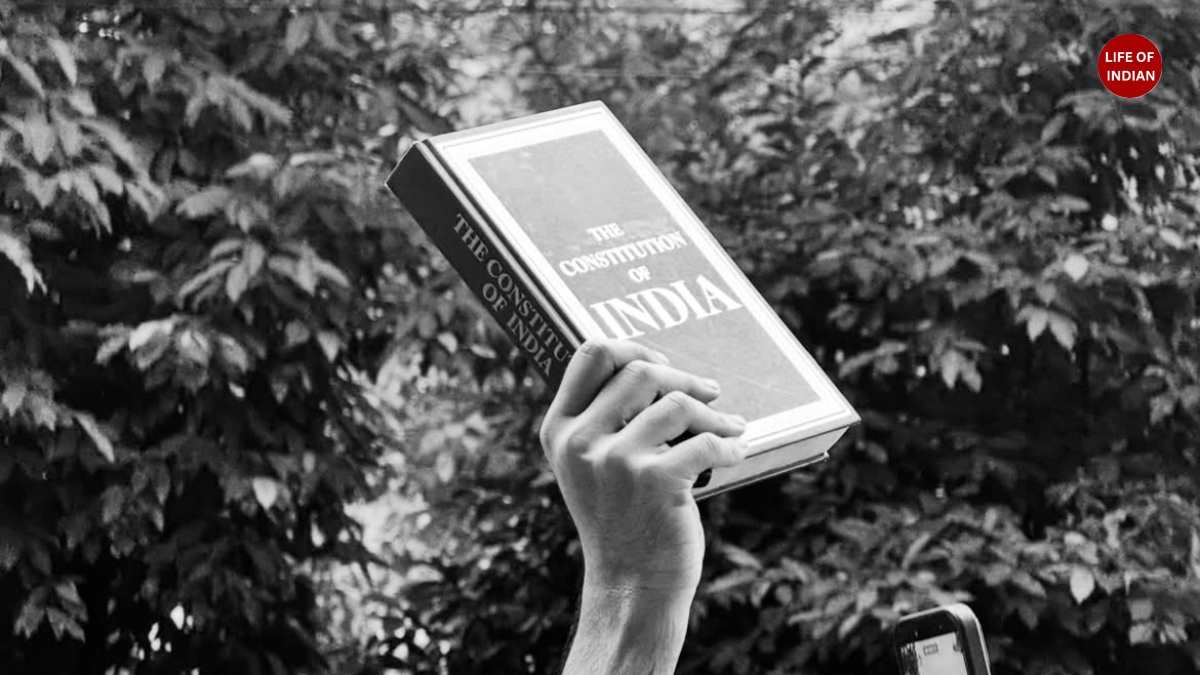
What began as a student-led protest in the national capital has, within a month, evolved into a larger political and social movement. The formation of the Cockroach Janata Party (CJP), a sit-in at Jantar Mantar that continued for over 20 days, activist Sonam Wangchuk’s hunger strike, his detention and subsequent admission to Safdarjung Hospital following a Delhi High Court order on July 18, the “Sansad Chalo” march that drew thousands of supporters, police action involving lathi-charge and tear gas, and the Opposition’s participation have together turned a campus issue into a national conversation.
At the heart of the protests lies a demand for accountability over alleged irregularities in the NEET 2026 examination and calls for the resignation of Union Education Minister Dharmendra Pradhan. Yet, as the movement has grown, so have competing narratives around it. What many students describe as a peaceful demand for transparency has, in some public discourse, been portrayed through a political lens, often overshadowing the concerns that first brought them to the streets.
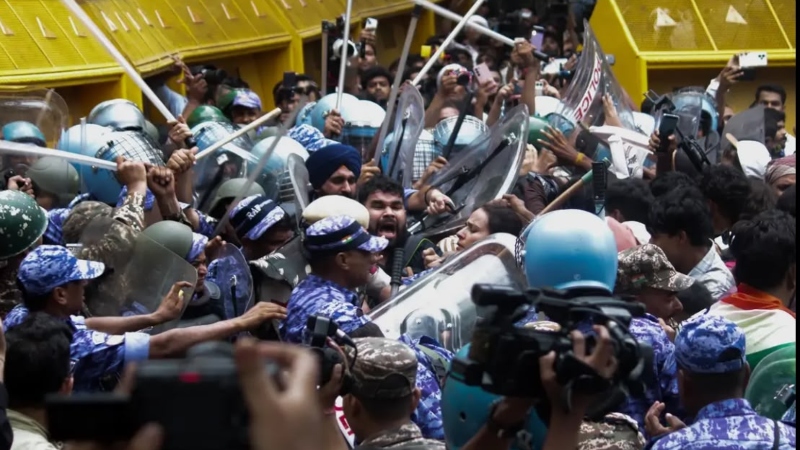
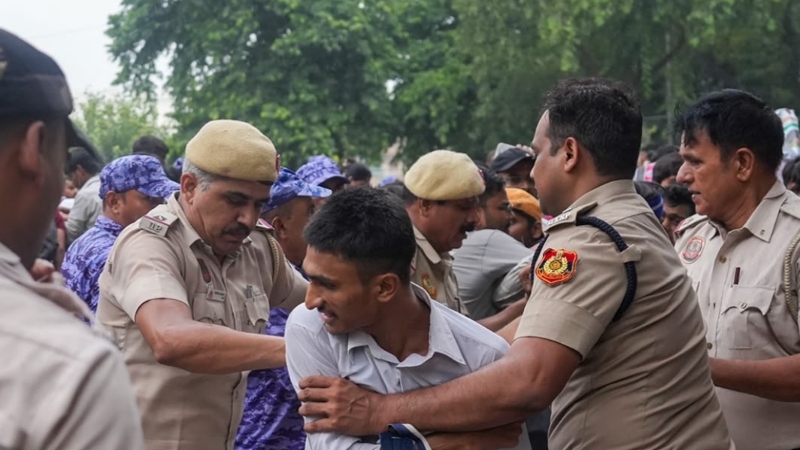
The visuals of police action against protesters have raised difficult questions about how democratic dissent is being handled. Students were seen being beaten with sticks, bleeding, detained, and abused by the Delhi police, highlighting the insensitivity of the situation being handled by the administration. Regardless of political affiliation, students exercising their right to peaceful protest deserve to be heard rather than dismissed. Public disagreement is a natural feature of democracy, but it must not come at the cost of dialogue or dignity.
History offers several examples of public officials accepting moral responsibility during moments of institutional crisis. Former Railway Minister Lal Bahadur Shastri resigned after a major train accident in 1956. Finance Minister T. T. Krishnamachari stepped down following the Mundhra scandal, and Defence Minister V. P. Singh resigned amid policy and political disagreements. While every situation is different, these examples underscore the principle that accountability has long been an important part of democratic governance.
Today, the demand from many students is not simply for resignations but for transparent communication and credible action. At a time when concerns over examination integrity have affected lakhs of aspirants, silence or delayed engagement risks deepening public distrust. The arrest of the 13 accused behind the NEET paper leak is not solely enough to justify the accountability of the government.
The timing of the “Sansad Chalo” march, coinciding with the commencement of Parliament’s Monsoon Session, reflects an attempt to bring these concerns to the nation’s highest legislative forum. Opposition parties have amplified these demands inside and outside Parliament, with repeated disruptions, protests, and demonstrations calling for greater accountability.
Meanwhile, Union Minister Jitendra Singh’s meeting with CJP representatives, urging them to call off their protest, and Prime Minister Narendra Modi’s appeal against encouraging unrest among children indicate that communication channels may remain open. However, these efforts appear to have fallen short of addressing the protesters’ central and actual concerns.
As tensions continue, restraint is needed from all sides. Protesters must remain peaceful, and authorities must ensure that democratic dissent is protected while maintaining public order. More importantly, the government must recognise that the issue extends beyond a single examination. It concerns the trust that young people place in public institutions.
The country’s youth are not merely asking questions about an examination; they are asking whether accountability still remains a cornerstone of governance. That question deserves a clear and credible answer.