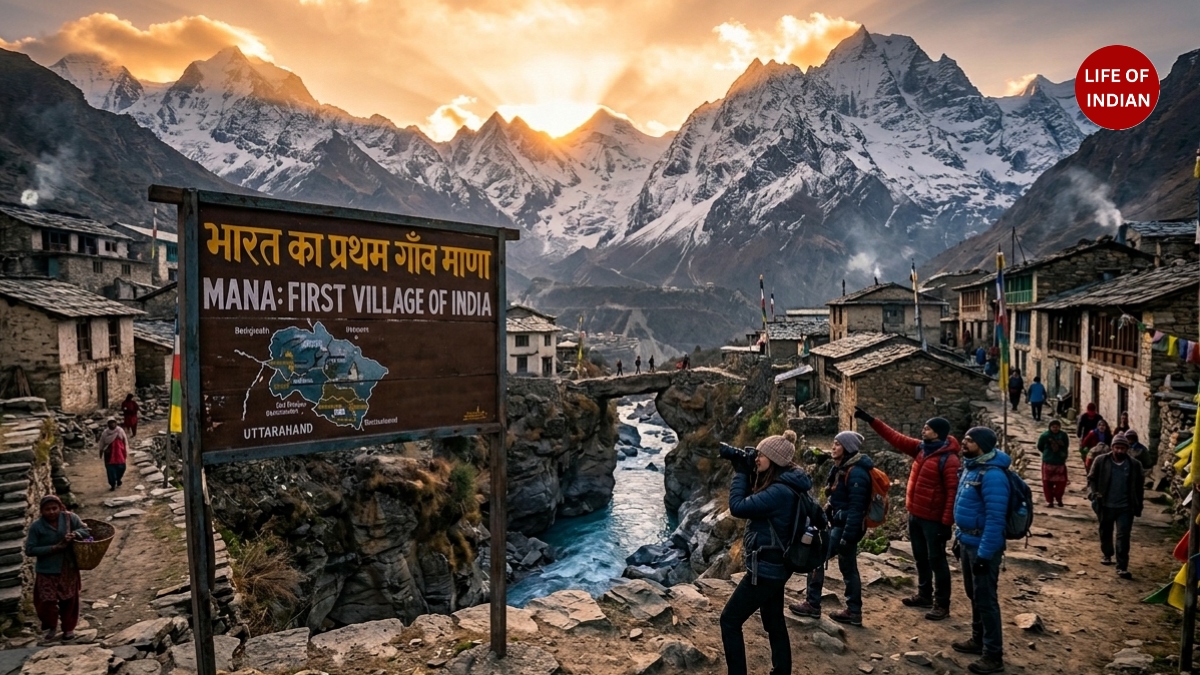
First Village of India: For decades, Mana carried a unique identity in the imagination of millions of Indians. Located high in the Himalayas near the Indo-Tibetan border, it was famously known as “India’s Last Village.” Travelers visiting Badrinath often stopped here to click photographs beside the iconic signboard proudly declaring its title as the country’s final settlement before the border.
But in recent years, something remarkable changed.
The same village that was once introduced as India’s “last village” is now officially being promoted as the “First Village of India.”
This transformation is not just about changing a slogan. It reflects a deeper shift in India’s strategic thinking, border development policies, tourism vision, and cultural identity. The change carries emotional, political, historical, and psychological significance — especially for border communities that spent decades feeling isolated from the mainstream.
Today, Mana Village is not only famous for its breathtaking Himalayan beauty but also for its mythological importance, ancient traditions, spiritual connections, military significance, and unique cultural heritage.
Where Is Mana Village Located?
India’s Himalayan Border Village
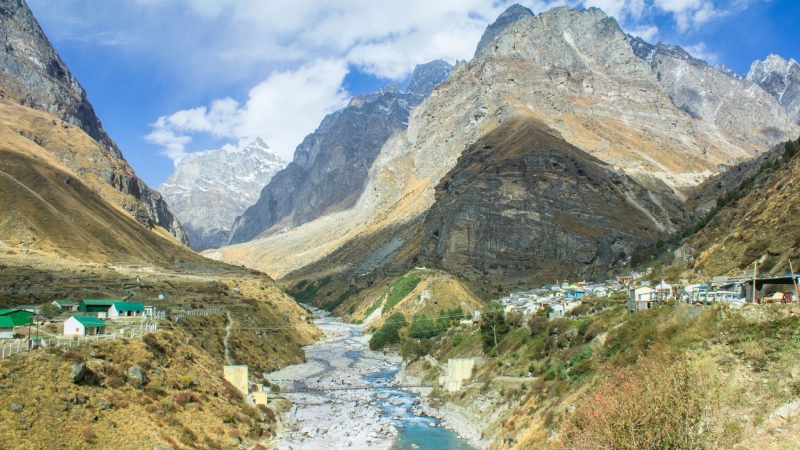
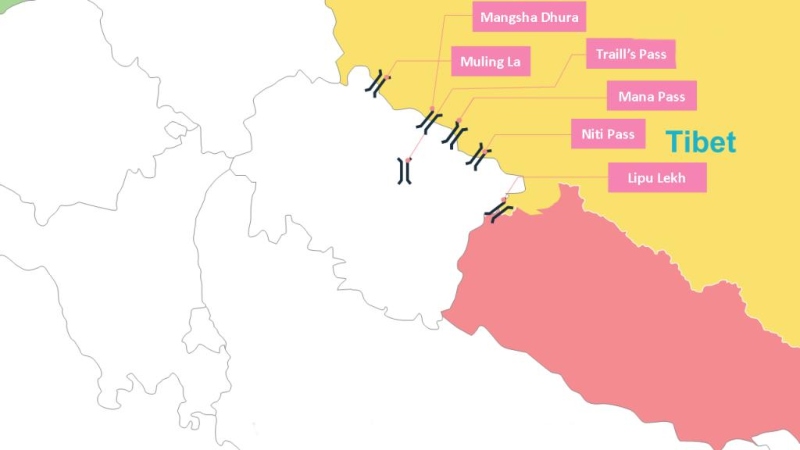
Mana is located in the Chamoli district of Uttarakhand, close to the India-Tibet (China) border.
The village lies at an altitude of around 10,500 feet above sea level and is situated approximately:
- 3 kilometers from Badrinath Temple
- Near the Saraswati River
- On the route leading toward the Mana Pass near the Tibetan border
Because of its extreme northern location, Mana was historically referred to as the last Indian village before the international border.
The village is inhabited mainly by the Bhotia community, known for their rich Himalayan culture, woolen handicrafts, traditional lifestyle, and ancient trade history with Tibet.
Why Was Mana Earlier Called “India’s Last Village”?
The Geography Behind the Old Identity
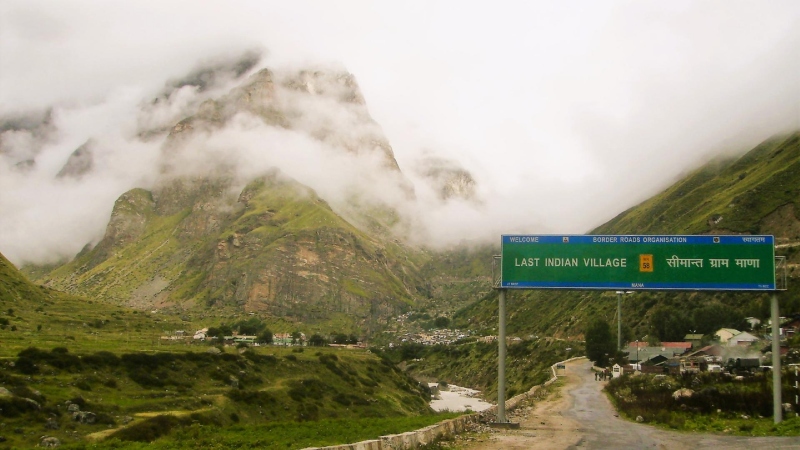
Mana received the title of “India’s Last Village” because of its geographical location.
For years:
- It was one of the last accessible settlements before the Indo-Tibetan border
- Beyond Mana, there were mostly mountains, military routes, and restricted border areas
- Travelers heading north toward the Himalayas saw Mana as the final inhabited point of India
This identity became deeply associated with tourism. The famous “Last Indian Village” signboard became a popular attraction among tourists visiting Badrinath.
But over time, officials and policymakers began reconsidering the emotional meaning behind the word “last.”
Why Is Mana Now Called the “First Village of India”?
The Real Reason Behind the Change
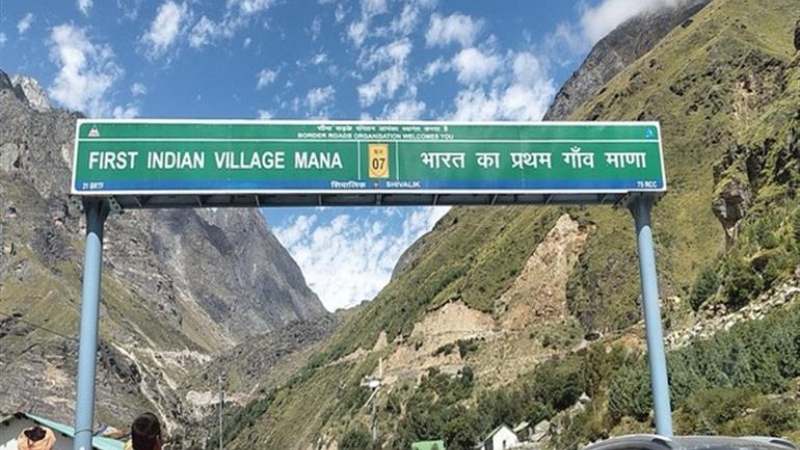
The Government of India and Uttarakhand authorities gradually started promoting border villages differently under a new strategic and psychological vision.
Instead of calling border villages “last villages,” they began referring to them as “first villages.”
The idea behind this shift was simple but powerful:
A border village should not feel like the end of the country.
It should feel like the beginning of the nation.
This change was introduced to:
- Strengthen the morale of border communities
- Encourage tourism and development
- Promote national integration
- Change the psychological perception of remote border regions
- Highlight the strategic importance of frontier villages
Officials believed that calling these villages “last” unintentionally created a feeling of neglect and distance from the rest of India.
By calling Mana the “First Village of India,” the message became:
- Border residents are India’s first guardians
- These villages are the first symbols of Indian culture and sovereignty near the frontier
- The nation begins from its borders, not ends there
This symbolic change also aligns with India’s increasing focus on border infrastructure and strategic development after rising tensions along Himalayan borders.
The Strategic Importance of Mana Village
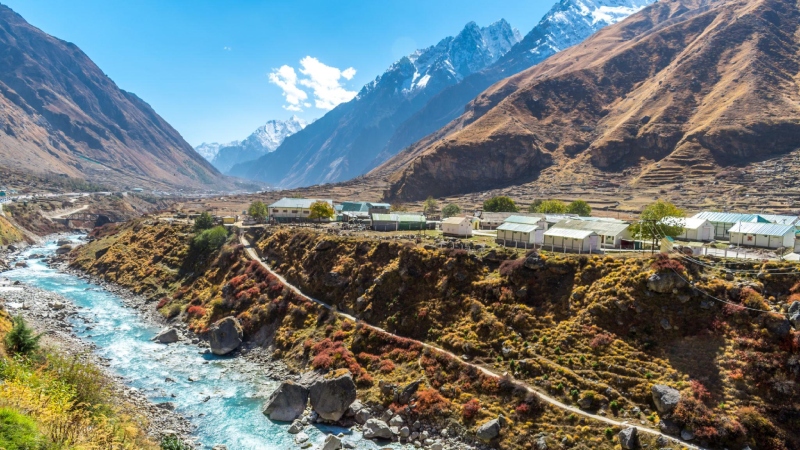
More Than Just a Tourist Destination
Mana Village holds enormous strategic importance because of its proximity to the Indo-China border.
After the 1962 India-China war and modern border tensions, India began paying greater attention to infrastructure and connectivity in Himalayan border regions.
Today, villages like Mana are important because they:
- Strengthen India’s civilian presence near the border
- Support military logistics
- Help maintain cultural continuity in frontier areas
- Prevent migration from sensitive border zones
Improved roads, tourism projects, and government initiatives have gradually transformed the region.
The “First Village” identity also supports the broader vision of strengthening border communities economically and emotionally.
Why Mana Village Is So Famous
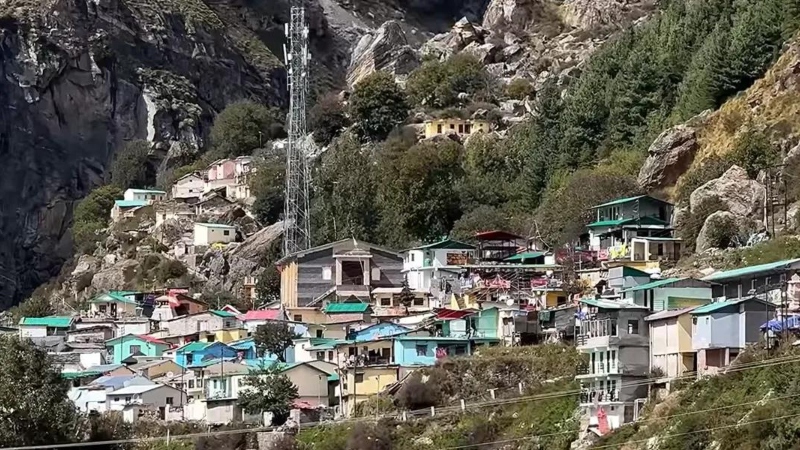
A Place Where Mythology, Spirituality, and Nature Meet
Mana is not famous only because of its border identity.
The village has deep mythological and spiritual importance connected to Hindu tradition and the Mahabharata.
This unique blend of mythology and Himalayan beauty makes Mana one of the most fascinating villages in India.
Mythological Significance of Mana Village
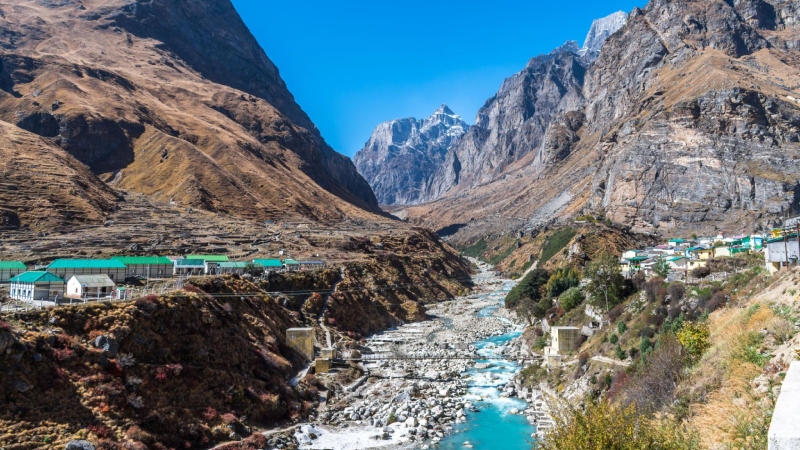
Connected to the Mahabharata and the Pandavas
According to Hindu beliefs, Mana Village is associated with the final journey of the Pandavas toward heaven.
Some of the most famous mythological sites here include:
Bhim Pul
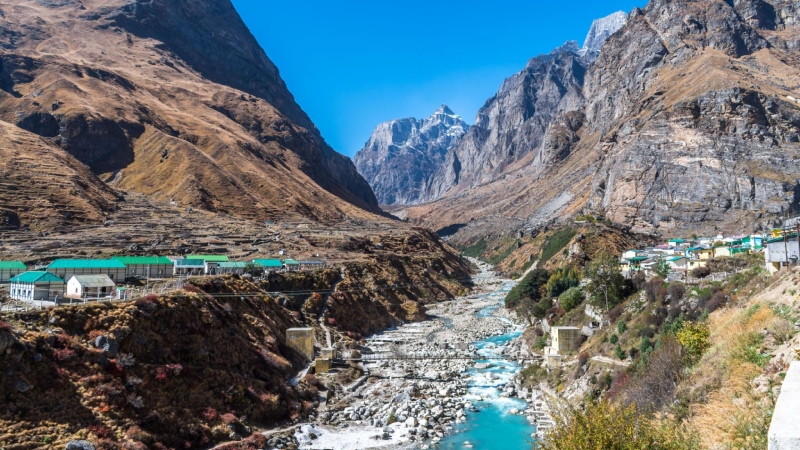
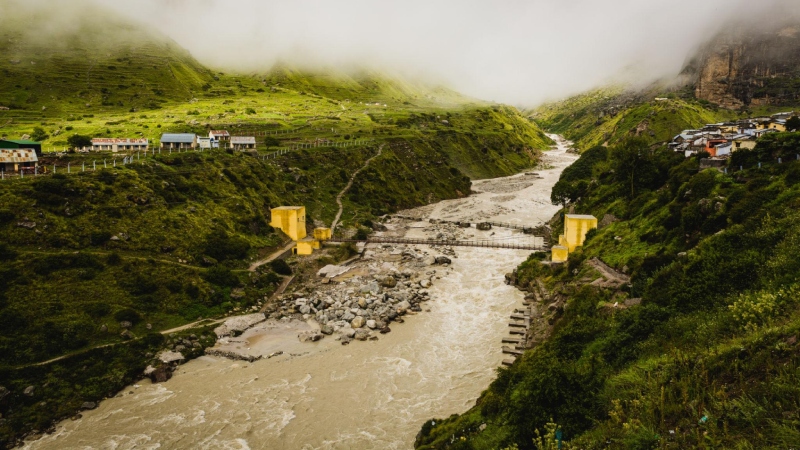
A massive natural stone bridge over the Saraswati River.
Legend says that Bhima, one of the Pandava brothers, placed the giant rock across the river so that Draupadi could cross safely during their final journey toward heaven.
Vyas Gufa
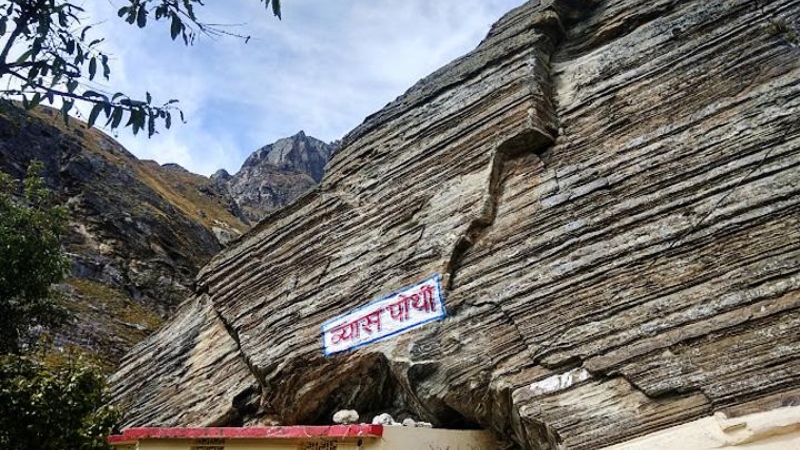
A sacred cave where sage Vyasa is believed to have composed the Mahabharata.
Ganesh Gufa
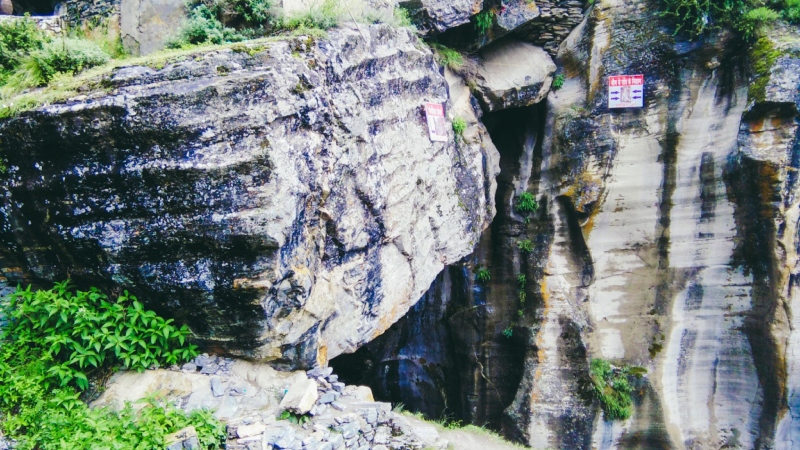
Another cave linked to Ganesha, who is believed to have written the Mahabharata as Vyasa narrated it.
Saraswati River Origin
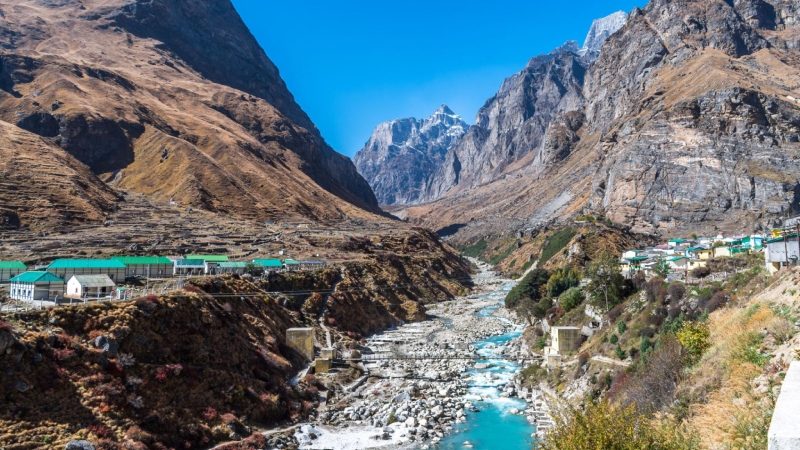
Mana is also associated with the visible appearance of the Saraswati River, one of Hinduism’s most mysterious and sacred rivers.
These sites attract pilgrims, spiritual seekers, and mythology lovers from across India.
The Natural Beauty of Mana Village
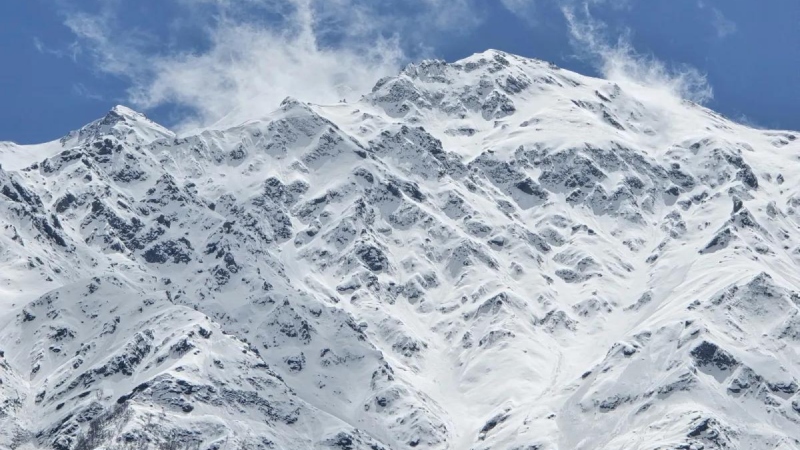
One of the Most Beautiful Himalayan Settlements
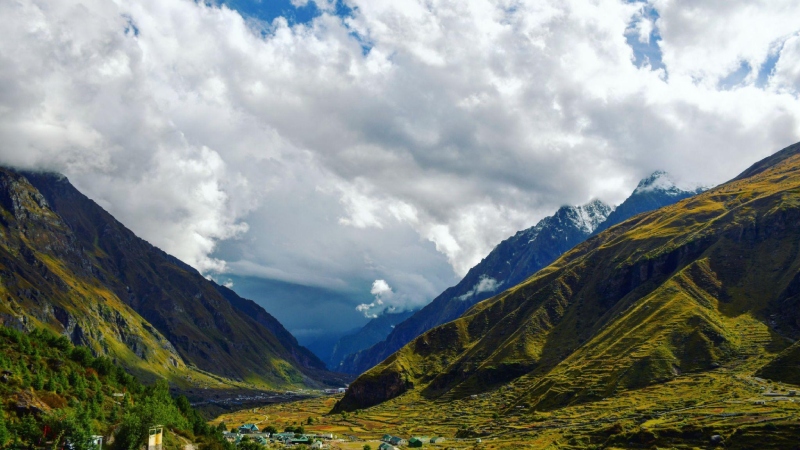
Surrounded by snow-covered Himalayan peaks, waterfalls, rivers, and rocky landscapes, Mana looks almost unreal during summer months.
Some of its most beautiful features include:
- Snow-capped mountains
- Fresh glacier-fed rivers
- Traditional Himalayan houses
- Peaceful spiritual atmosphere
- Stunning trekking routes
The village remains inaccessible during harsh winter months because of heavy snowfall, which adds to its mysterious charm.
The Culture and Lifestyle of Mana’s People
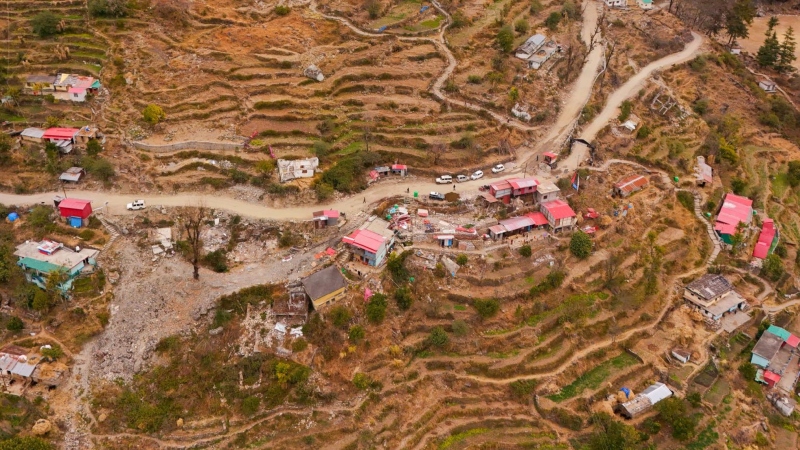
The people of Mana mainly belong to the Bhotia community, known for:
- Wool weaving
- Handcrafted products
- Traditional Himalayan clothing
- Tibetan-influenced culture
- Ancient trade traditions
Before border restrictions intensified, local communities historically traded with Tibet through Himalayan passes.
Even today, visitors can find:
- Handmade woolen clothes
- Local herbs
- Traditional Himalayan food
- Cultural souvenirs
The lifestyle here reflects resilience, simplicity, and adaptation to extreme mountain conditions.
Tourism and the Rise of Mana Village
Social Media Made Mana Even More Popular
In recent years, Mana Village has become extremely popular on social media platforms and travel vlogs.
Tourists are especially attracted by:
- The “First Village of India” signboard
- Scenic Himalayan landscapes
- Mythological locations
- Adventure travel opportunities
- Spiritual tourism near Badrinath
Many travelers now visit Mana not just for religious reasons but also for photography, trekking, storytelling, and cultural exploration.
A Symbol of India’s Changing Border Vision
The transformation of Mana from the “Last Village” to the “First Village” reflects a much larger national message.
It symbolizes:
- Inclusion instead of isolation
- Pride instead of remoteness
- Strategic awareness
- Border development
- National unity
The change reminds people that India’s border villages are not forgotten edges of the country — they are the nation’s first line of culture, identity, and resilience.
Mana is far more than a remote Himalayan village.
It is a place where mythology meets geography, spirituality meets strategy, and history meets national identity.
Once known as India’s “Last Village,” Mana today proudly carries the title of the “First Village of India” — a symbolic transformation that reflects changing times and a new vision for India’s border regions.
From the legends of the Pandavas to the breathtaking Himalayan landscapes and its strategic importance near the border, Mana continues to fascinate travelers, pilgrims, historians, and spiritual seekers alike.
And perhaps that is why this tiny Himalayan settlement today stands not at the end of India — but at the beginning of a larger story about identity, resilience, and belonging.
FAQ
1. Why is Mana Village called the First Village of India?
Mana Village is now called the “First Village of India” as part of a symbolic shift to promote border villages as the beginning of the nation rather than its end.
2. Where is Mana Village located?
Mana Village is located in Chamoli district of Uttarakhand near Badrinath and close to the Indo-Tibetan border.
3. Why was Mana earlier known as the Last Village of India?
Mana was earlier called the “Last Village of India” because it is one of the last inhabited settlements before the India-Tibet border.
4. What is Mana Village famous for?
Mana is famous for its Himalayan beauty, mythological importance, Bhim Pul, Vyas Gufa, Saraswati River, and its connection to the Pandavas.
5. What is the connection between Mana Village and the Mahabharata?
According to mythology, the Pandavas passed through Mana during their final journey toward heaven. Sites like Bhim Pul and Vyas Gufa are linked to Mahabharata legends.
6. Can tourists visit Mana Village?
Yes, Mana Village is a popular tourist destination and is easily accessible by road from Badrinath during the open season.