
The World Happiness Report 2026 has been officially released, presenting a global ranking of the happiest countries based on people’s life satisfaction, social support, economic stability, and overall well-being. The report once again highlights Finland as the happiest country in the world, while several Nordic countries continue to dominate the top positions. At the same time, the report raises important concerns about declining happiness among youth and the growing impact of social media and social isolation on well-being.
World Sleep Day 2026: Why Sleep Is Crucial for Your Body and Simple Ways to Improve Your Sleep Cycle
The annual report is released around March 20, International Day of Happiness, and is published by the Wellbeing Research Centre at the University of Oxford in partnership with Gallup and the UN Sustainable Development Solutions Network.
What is the World Happiness Report?

The World Happiness Report is a global survey that measures how happy people are in different countries based on their own evaluation of life.
Instead of focusing only on economic growth, the report analyzes:
- Life satisfaction
- Social support
- Income and GDP per capita
- Healthy life expectancy
- Freedom to make life choices
- Generosity
- Perception of corruption
These indicators help researchers understand how people feel about their lives and what factors contribute to happiness.
The report uses data from the Gallup World Poll and covers more than 140 countries every year.
World Happiness Report 2026 Top 10 Happiest Countries
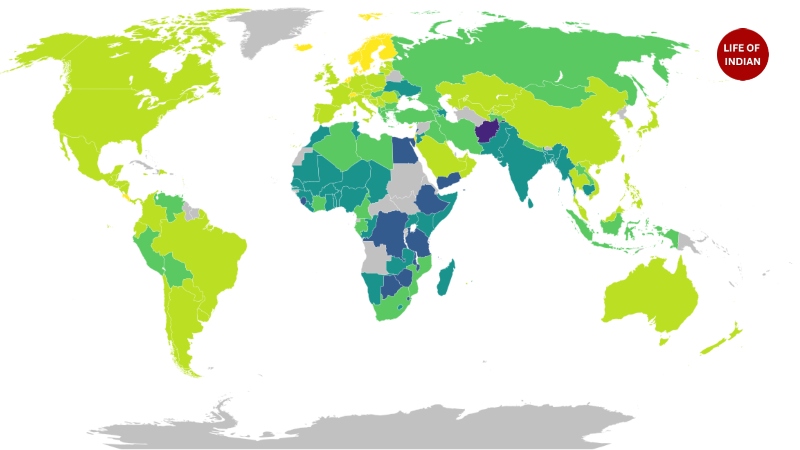
According to the World Happiness Report 2026, Nordic and European countries continue to dominate the rankings.
Top 10 Happiest Countries in 2026
- Finland
- Iceland
- Denmark
- Costa Rica
- Sweden
- Norway
- Netherlands
- Israel
- Luxembourg
- Switzerland
Finland has retained the number one position for the ninth consecutive year, mainly due to strong social trust, excellent public services, and a balanced lifestyle. Costa Rica is the biggest surprise, reaching 4th place for the first time.
Least Happy Countries in 2026
The report also highlights countries facing conflict, poverty, and instability.
Bottom Countries
- Afghanistan (147th)
- Sierra Leone
- Malawi
- Zimbabwe
- Lebanon
- DR Congo
Afghanistan remains the least happy country in the world, mainly due to political instability, poverty, and lack of basic social support systems.
India’s Rank in World Happiness Report 2026
India ranks 116th out of 147 countries in the World Happiness Report 2026.
India’s ranking trend
- 2023: 126th
- 2024: 118th
- 2025: 118th
- 2026: 116th
This shows a slight improvement, but India still ranks lower than many countries due to challenges in social support, mental well-being, and quality of life.
In South Asia:
- Pakistan: 104
- Sri Lanka: 99
- Bangladesh: 127
- Nepal: 134
- Afghanistan: 147
India’s score reflects the need for better healthcare, social security, and community well-being initiatives.
Why India is Not in the Top 10 of the World Happiness Report 2026 – What is Lacking?
India’s position in the World Happiness Report 2026 remains relatively low compared to top-ranking countries like Finland, Denmark, and Iceland. While India has shown slight improvement in recent years, it is still far from entering the top 10. The main reason is that happiness in this report is not measured by economic growth alone but by overall life satisfaction, social support, and quality of living.
Here’s a detailed explanation of what India is lacking and why it struggles to reach the top ranks.
1. Weak Social Support System
One of the biggest factors in the happiness ranking is social support, which means whether people feel they have someone to rely on in difficult times.
Situation in India
- Many people lack strong social security systems
- Limited access to government welfare in rural areas
- Weak mental health support systems
- Growing urban loneliness and stress
In top countries like Finland, people receive strong government and community support, which increases life satisfaction.
In India, social and institutional support systems are still developing.
2. Income Inequality and Economic Pressure
Although India is one of the fastest-growing economies, income inequality remains a major issue.
Key problems
- Large gap between rich and poor
- Unemployment and job insecurity
- Financial stress in middle and lower-income groups
- Rising cost of living
In Nordic countries, income distribution is more balanced, and citizens feel financially secure.
Financial insecurity directly affects happiness levels.
3. Healthcare and Mental Well-being
Healthcare and mental health are important indicators in the happiness report.
Challenges in India
- Limited healthcare access in rural areas
- Expensive private medical services
- Lack of mental health awareness
- High stress and anxiety levels among youth
In contrast, top-ranking countries provide free or affordable healthcare and mental health services, improving overall well-being.
Poor healthcare access reduces happiness and life satisfaction.
4. Work-Life Balance Issues
Work-life balance is another major factor in happiness rankings.
In India
- Long working hours
- High job pressure
- Limited vacation culture
- Stressful urban lifestyle
- Traffic and commuting problems
In countries like Finland and Denmark:
- Flexible working hours
- Paid vacations
- Family time
- Less work pressure
Better work-life balance leads to higher happiness.
5. Corruption and Trust in Government
The happiness report also measures trust in institutions and corruption levels.
Situation in India
- Public trust in systems is still developing
- Bureaucratic challenges
- Corruption perception in some sectors
- Slow public service delivery
In top countries:
- Transparent governance
- High trust in government
- Efficient public services
Trust in institutions increases national happiness.
6. Environmental and Urban Challenges
Environmental quality also affects happiness.
Problems in India
- Air pollution in major cities
- Traffic congestion
- Noise pollution
- Lack of green spaces
- Water and sanitation issues
In Nordic countries:
- Clean environment
- Green cities
- Sustainable infrastructure
A clean and peaceful environment improves quality of life.
7. Social Pressure and Lifestyle Stress
Modern lifestyle and social expectations also affect happiness.
In India
- Academic and career pressure
- Social expectations
- Family responsibilities
- Competition in jobs and education
This creates stress and reduces life satisfaction.
In contrast, top countries promote:
- Individual freedom
- Mental peace
- Simple lifestyle
- Community support
8. Freedom to Make Life Choices
Freedom is an important factor in the happiness report.
In India
- Limited financial and career freedom for many people
- Social and cultural pressure in some regions
- Economic dependency
In top countries:
- High personal freedom
- Gender equality
- Equal opportunities
Freedom increases happiness and life satisfaction.
World Food Day 2025: FAO Marks 80 Years of Fighting Hunger and Building Food Security
What India Needs to Reach the Top 10
To improve its ranking, India needs to focus on:
- Better healthcare and mental health support
- Strong social security systems
- Work-life balance policies
- Income equality and job stability
- Clean environment and urban planning
- Trust in governance and public services
- Community well-being and social support
If these areas improve, India’s happiness ranking can rise significantly in the future.
Key Highlights of World Happiness Report 2026
1. Finland Remains Happiest Country
Finland continues to dominate the rankings due to:
- Strong welfare system
- High trust in government
- Work-life balance
- Quality healthcare and education
- Social equality
These factors create a stable and stress-free lifestyle.
2. Costa Rica Emerges as a Rising Star
Costa Rica’s rise to 4th position shows that:
- Environmental sustainability
- Education
- Community culture
- Simple lifestyle
can significantly improve happiness even without extreme wealth.
3. Declining Happiness Among Youth
One of the biggest concerns in the 2026 report is declining happiness among young people, especially in Western countries.
Reasons include:
- Heavy social media usage
- Mental health stress
- Social isolation
- Digital pressure
Research shows excessive social media use is linked to lower life satisfaction among teenagers and young adults.
4. Social Media’s Impact on Happiness
The report highlights that:
- Moderate social media use can improve connection
- Excessive use leads to stress and anxiety
- Teenagers are most affected
Experts suggest building real-life social connections to improve happiness.
5. Social Trust is the Key to Happiness
The report emphasizes that the happiest countries share common traits:
- Trust in government
- Strong communities
- Low corruption
- Social support systems
- Work-life balance
This shows happiness depends more on social stability than economic wealth.
How Happiness is Measured
The World Happiness Report uses the Cantril Ladder method, where people rate their life on a scale from 0 to 10.
Six major factors determine happiness:
- GDP per capita
- Social support
- Life expectancy
- Freedom
- Generosity
- Corruption levels
Countries with higher scores in these areas rank higher in happiness.
Why Nordic Countries Always Rank High
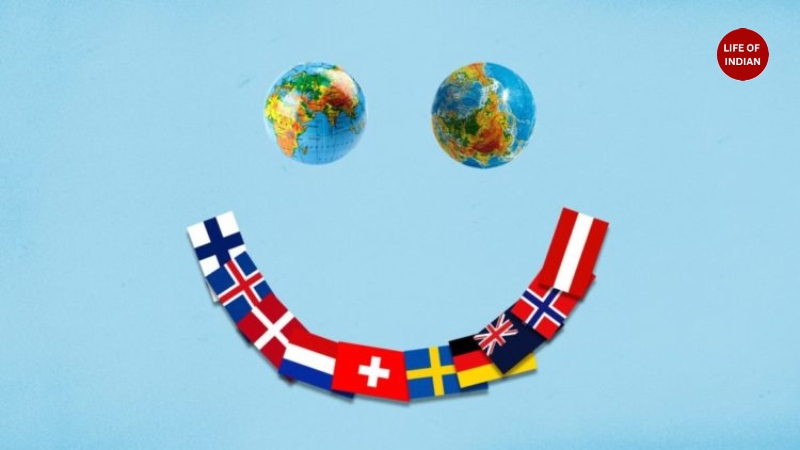
Nordic countries like Finland, Denmark, and Iceland consistently perform well because they focus on:
- Free education
- Healthcare access
- Work-life balance
- Social equality
- Environmental protection
- Community support
Their development model focuses on well-being rather than just economic growth.
The World Happiness Report 2026 highlights an important global message: happiness is not just about wealth but about social trust, mental well-being, and quality of life. Finland continues to lead the world, while countries like Costa Rica show that sustainable living and strong communities can create a happier society.
India is not in the top 10 of the World Happiness Report 2026 because happiness depends on more than economic growth. Factors like social support, healthcare, work-life balance, environmental quality, and trust in institutions play a major role.
While India is growing economically, improvements in quality of life, mental well-being, and social stability are needed to reach the top happiness rankings. With the right policies and awareness, India has the potential to improve its position in the coming years.
FAQ
1. Why is India not in the top 10 of World Happiness Report 2026?
India is not in the top 10 due to challenges in social support, healthcare, work-life balance, environmental issues, income inequality, and trust in institutions.
2. What is India’s rank in World Happiness Report 2026?
India ranks around 116th in the World Happiness Report 2026, showing slight improvement but still far from top-ranking countries.
3. Which country is the happiest in World Happiness Report 2026?
Finland remains the happiest country in the world due to strong social support, healthcare, and work-life balance.
4. What factors affect happiness rankings?
Happiness rankings depend on GDP per capita, social support, life expectancy, freedom, generosity, and corruption levels.
5. Can India reach the top 10 in the future?
Yes, India can improve its ranking by strengthening healthcare, social security, environmental quality, and work-life balance.