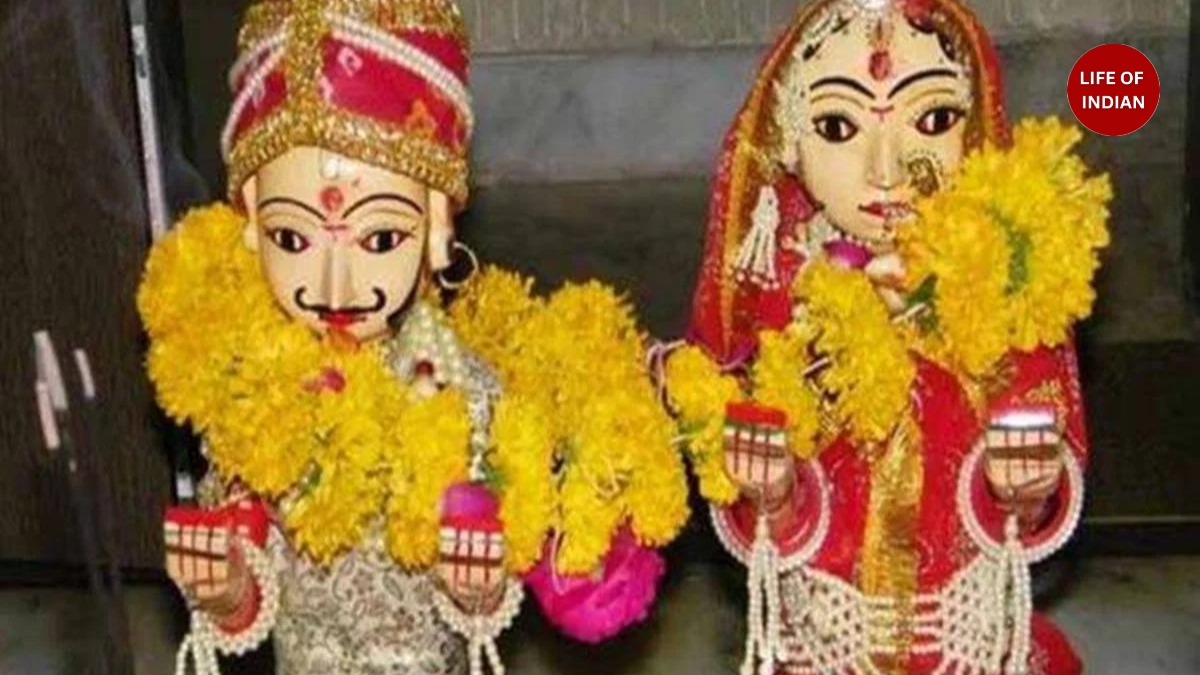
Gangaur Puja Secrets: In the vibrant culture of India, festivals are not just about rituals—they are deeply woven into emotions, relationships, and traditions passed down through generations. Some festivals celebrate victory, some mark seasons, but a few, like Gangaur, beautifully celebrate love, devotion, and the sacred bond of marriage.
Imagine women dressed in colorful traditional attire, hands adorned with intricate mehendi, singing age-old folk songs with devotion in their hearts. This is not just a celebration—it is a reflection of faith, hope, and the timeless belief in love and togetherness.
Jaya Ekadashi 2026: Date, Puja Vidhi, Parana Time & Significance
Gangaur is one such festival where devotion meets emotion. It is a time when women pray not only for their loved ones but also for a life filled with happiness, harmony, and companionship. Rooted deeply in tradition yet alive in modern times, Gangaur continues to connect generations through its spiritual and cultural essence.
What Is Gangaur Puja?
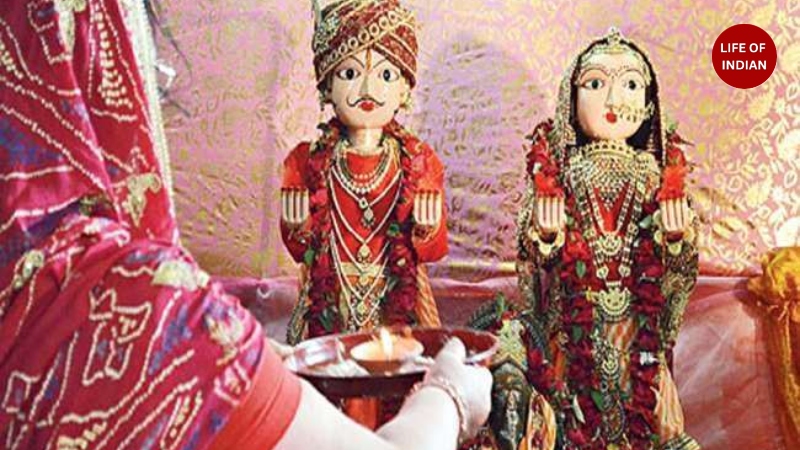
Gangaur is a major Hindu festival dedicated to the worship of Lord Shiva and Goddess Parvati (Gauri).
- “Gan” refers to Lord Shiva
- “Gaur” refers to Goddess Parvati
This festival begins the day after Holi and continues for about 16 days.
During this period, married and unmarried women observe fasts and worship Goddess Gauri with great devotion.
Why Are the 16 Days of Gangaur So Important?
The number 16 holds special significance in the Gangaur festival.
According to religious beliefs, Goddess Parvati performed intense penance for 16 days to attain Lord Shiva as her husband. Pleased by her dedication, Lord Shiva accepted her.
Because of this, the festival is celebrated for 16 days, and many rituals involve the number 16.
Why Is the Number 16 Special in Gangaur?
In Hindu tradition, the number 16 represents completeness and auspiciousness. It is also associated with:
- Shodash Kala (16 divine qualities)
- Sixteen life rituals (Sanskaras)
During Gangaur:
- 16 types of offerings are made
- Women apply 16 dots of kajal, roli, or mehendi
- 16 dishes are offered as prasad
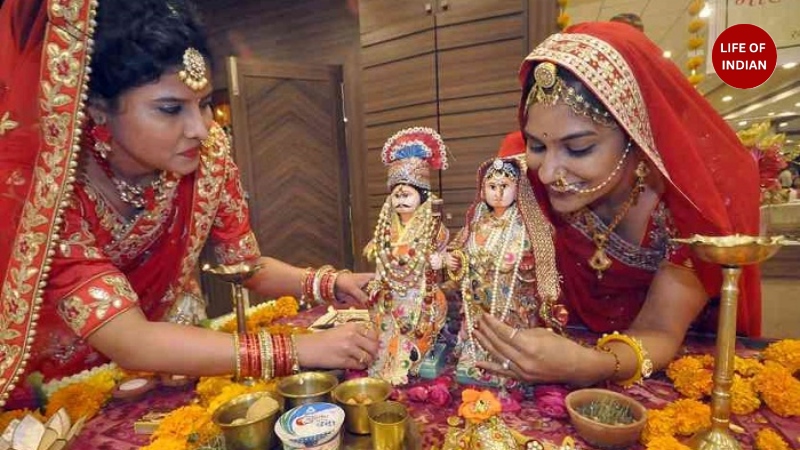
- Women perform Solah Shringar (sixteen adornments)
All these are done to seek the blessings of Goddess Gauri for prosperity and marital happiness.
Significance of Solah Shringar (16 Adornments)
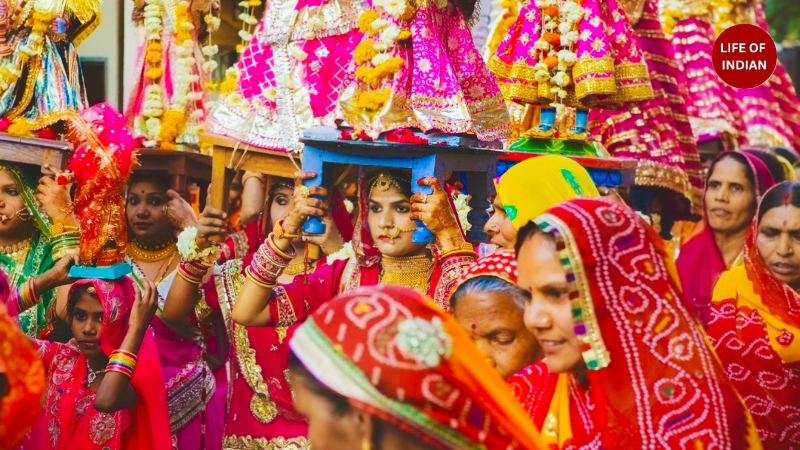
During Gangaur, women perform Solah Shringar (16 Adornments), which symbolizes beauty, prosperity, and a happy married life.
List of Solah Shringar:
- Maang Tika
- Bindi
- Kajal
- Nath (nose ring)
- Sindoor
- Mangalsutra
- Earrings
- Mehendi
- Bangles
- Gajra
- Armlet (Bajuband)
- Ring
- Waistband (Kamarband)
- Anklets (Payal)
- Toe rings (Bichiya)
- Traditional attire
Mythological Story Behind Gangaur
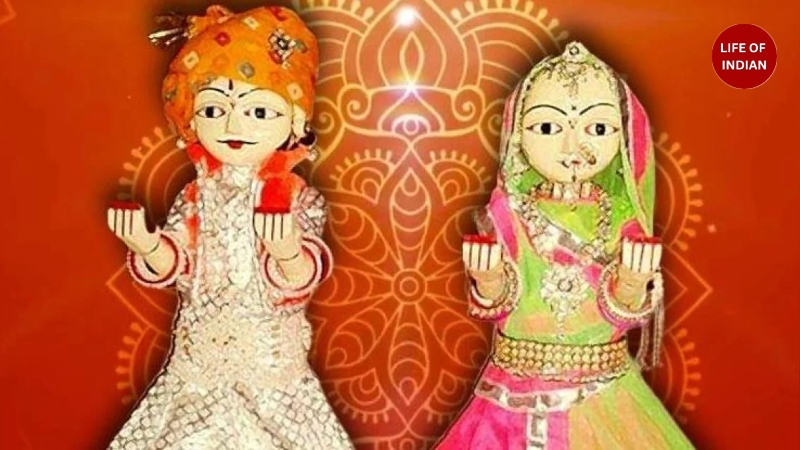
According to mythology, Goddess Parvati created an idol of Lord Shiva and performed strict penance for 15 days.
On the 16th day, Lord Shiva appeared and accepted her as his divine consort.
After this, Goddess Parvati was given a grand farewell, which is symbolically celebrated even today during Gangaur through processions of Isar (Shiva) and Gauri idols.
In Rajasthan:
- Isar represents Lord Shiva
- Gangaur represents Goddess Parvati
Where Is Gangaur Celebrated?
Gangaur is mainly celebrated in:
- Rajasthan (most famous)
- Madhya Pradesh
- Haryana
- Gujarat
- Some parts of Uttar Pradesh
However, the most grand celebrations are seen in Jaipur, Udaipur, and Jodhpur, where royal processions and fairs are organized.
Which Deities Are Worshipped in Gangaur?
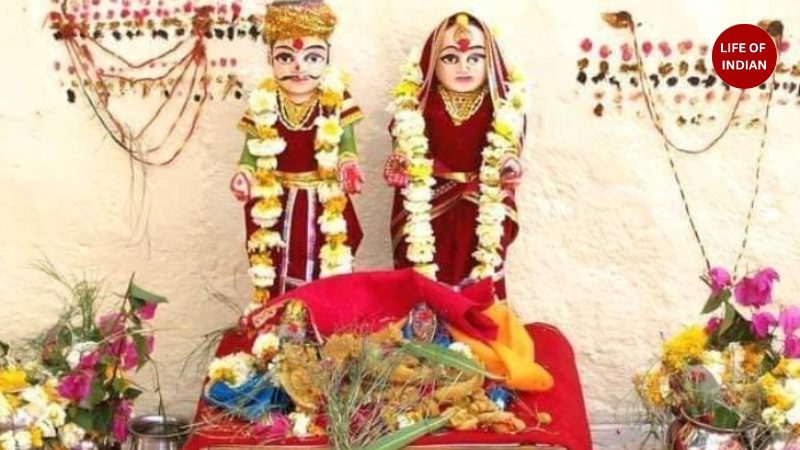
The festival is dedicated to:
- Lord Shiva (Isar)
- Goddess Parvati (Gauri)
This worship symbolizes love, trust, and devotion in marriage.
- Married women pray for the long life of their husbands
- Unmarried girls pray for an ideal life partner
Why Is Gangaur Puja Special?
Gangaur is more than just a ritual—it is an emotional and cultural celebration.
1. Symbol of Marital Love
It reflects Goddess Parvati’s devotion and her love for Lord Shiva.
2. Festival of Women
It is one of the most important festivals for women, celebrated with full enthusiasm.
3. Celebration of Spring
The festival marks the arrival of spring and the harvest season.
4. Cultural Heritage
In Rajasthan, it is celebrated with folk dances, songs, and traditional rituals, making it a vibrant cultural event.
How Is Gangaur Celebrated?
Gangaur is celebrated in a beautiful and traditional way.
1. Fasting and Worship
Women observe a fast for 16 days and perform daily worship.
2. Clay Idols
- Idols of Shiva and Parvati (Isar-Gaur) are made from clay
- They are beautifully decorated
3. Mehendi and Traditional Dress
Women apply mehendi and wear traditional attire.
4. Folk Songs
Women sing traditional Gangaur songs during the worship.
5. Procession (Shobha Yatra)
On the final day:
- Decorated idols are taken out in grand processions
- Fairs and cultural programs are organized
Why Is the Final Day of Gangaur Important?
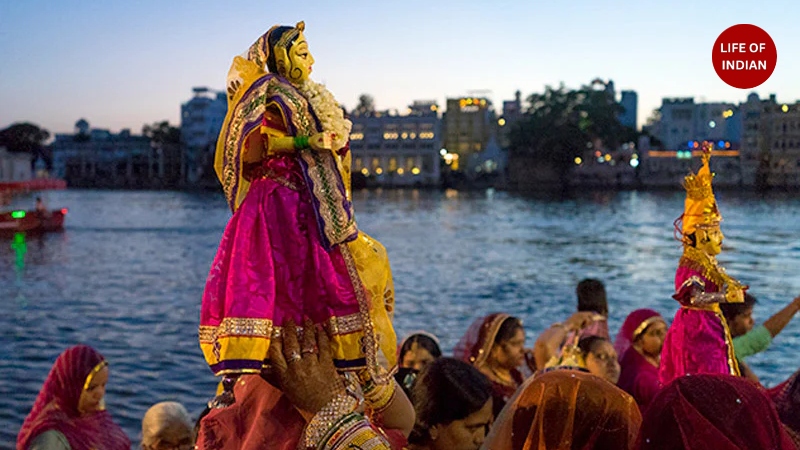
The last day is considered the most significant because:
- It marks the farewell of Goddess Gauri
- It is also known as Gauri Tritiya
- Women perform special prayers for the well-being of their husbands and families
Gangaur in Modern Times
Even today, Gangaur holds great importance:
- It is celebrated in both rural and urban areas
- In Rajasthan, it has become a major tourist attraction
- It reflects the deep faith and cultural richness of Indian traditions
Gangaur Puja is not just a religious ritual—it is a celebration of love, faith, devotion, and cultural identity.
It teaches us that true relationships are built on trust and dedication, just like the divine bond between Lord Shiva and Goddess Parvati.