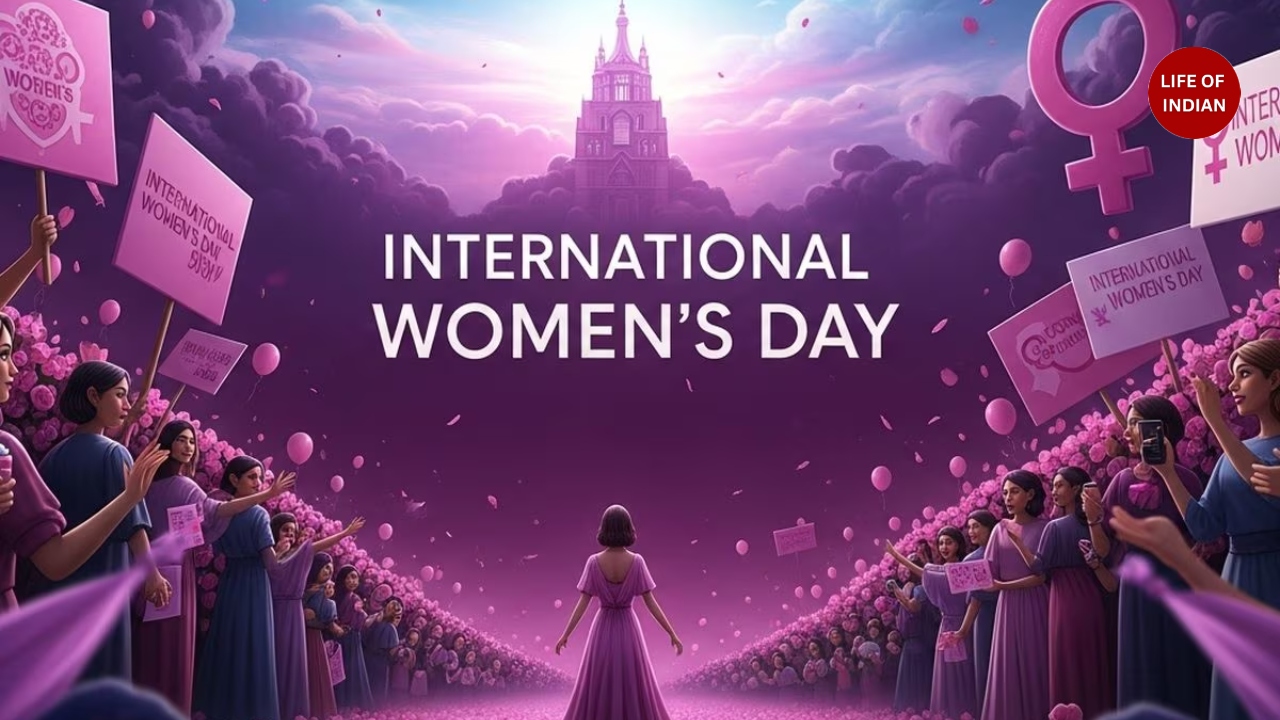
Every year on March 8, people across the world celebrate International Women’s Day to honour the achievements of women and raise awareness about the ongoing fight for gender equality.
On this day, you may notice that most campaigns, decorations, posters and social media graphics feature purple, white and green colours. These colours are not random design choices; they carry deep historical meaning connected to the global women’s rights movement.
Each of these colours represents an important value of the struggle for equality—justice, unity and hope. Understanding the symbolism behind these colours helps us better appreciate the significance of International Women’s Day.
The Origin of International Women’s Day
According to United Nations, International Women’s Day has its roots in the early 20th century when women across Europe and North America began organising movements to demand better working conditions, voting rights and equal opportunities.
Women’s rights activists needed symbols that could represent their unity and purpose. Over time, the colours purple, white and green became widely recognised as the visual identity of the women’s equality movement. These colours are still used globally in campaigns and events related to International Women’s Day.
Purple: The Colour of Justice and Dignity
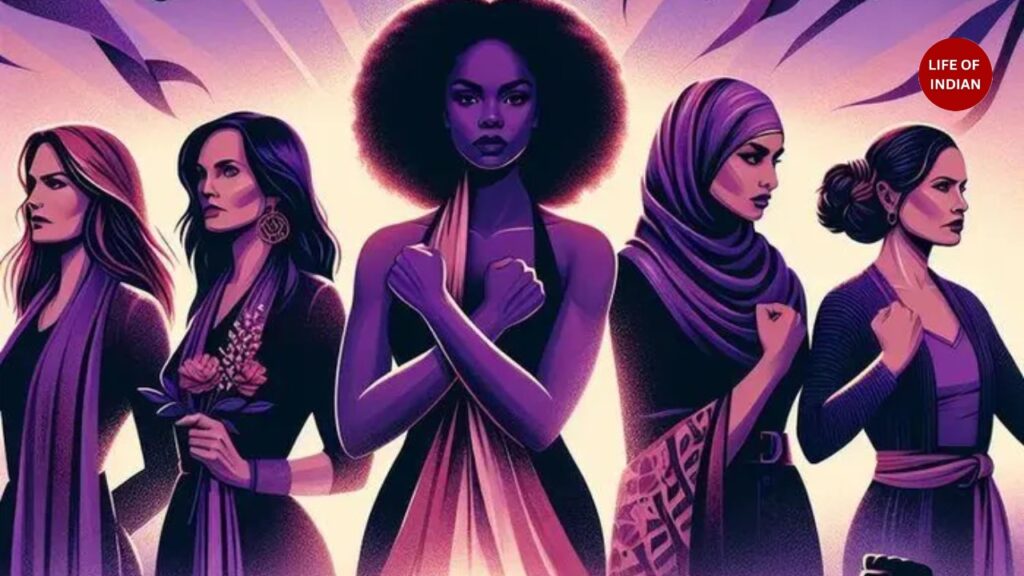
Among the three colours, purple is the most widely recognised symbol of International Women’s Day.
Purple represents justice, dignity and loyalty to the cause of gender equality. Historically, purple has also been associated with power, nobility and ambition. Because of these meanings, the women’s rights movement adopted purple as a colour that symbolises strength and determination.
Today, purple is widely used in Women’s Day initiatives such as:
- Social media awareness campaigns
- Women empowerment events
- Corporate equality programs
- Lighting landmarks and monuments in purple
The colour serves as a powerful reminder of the ongoing effort to achieve equal rights for women around the world.
White: A Symbol of Unity and Solidarity
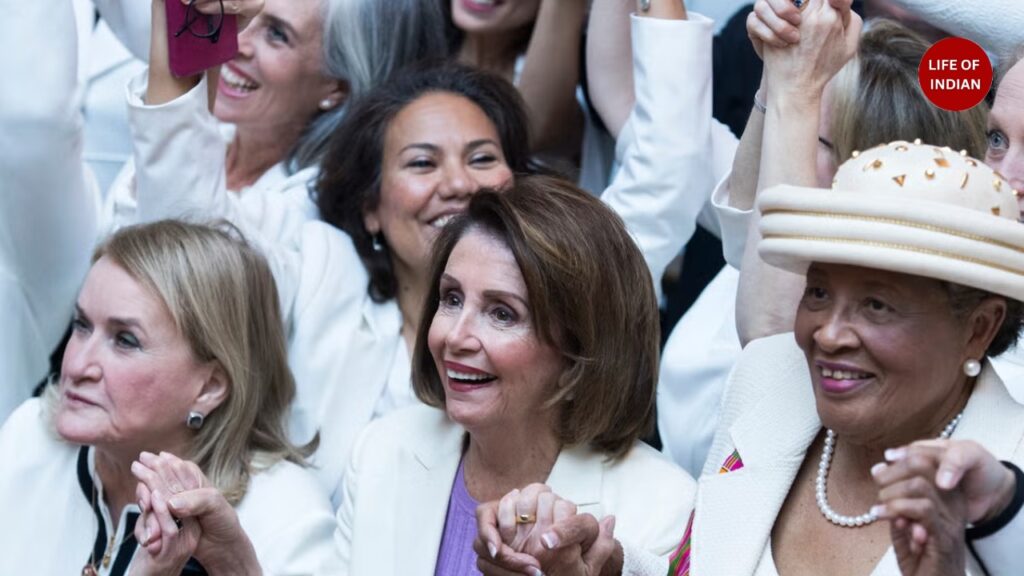
White is another important colour connected with International Women’s Day.
It symbolises unity and solidarity among women who stand together in the fight for equal rights. During early women’s movements, white represented the collective strength of women advocating for social and political change.
Over time, the interpretation of white has evolved. In modern campaigns, the colour is often associated with:
- Peace and transparency
- Collective action for equality
- Shared commitment to women’s rights
White is frequently paired with purple in campaign visuals to emphasise cooperation and unity in the struggle for gender equality.
Green: The Colour of Hope and a Better Future
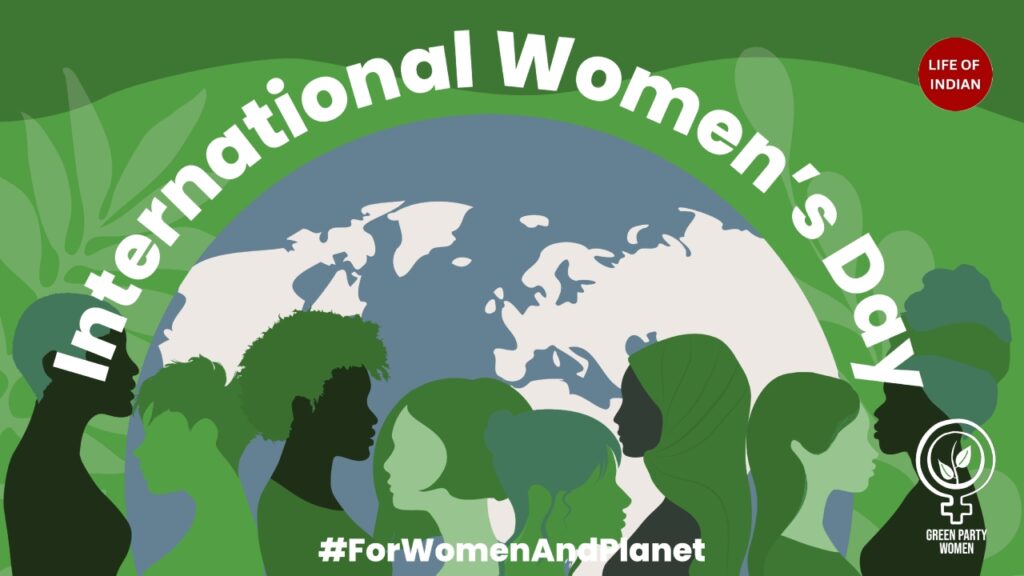
The third colour associated with International Women’s Day is green.
Green symbolises hope and the promise of a better future for women and girls worldwide. It reflects optimism that future generations will experience greater equality, freedom and opportunity.
The colour represents the belief that:
- Women will continue to achieve greater representation in leadership
- Gender gaps in education and employment will decrease
- Societies will move closer to true equality
By including green alongside purple and white, the movement highlights its forward-looking vision.
The Combined Meaning of the Three Colours
Together, the colours purple, white and green represent the broader journey of the women’s rights movement.
| Colour | Meaning |
|---|---|
| Purple | Justice, dignity and determination |
| White | Unity, solidarity and peace |
| Green | Hope and a better future |
When used together, these colors symbolize the past struggles, present efforts, and future aspirations of the global women’s equality movement.
How These Colours Are Used Today
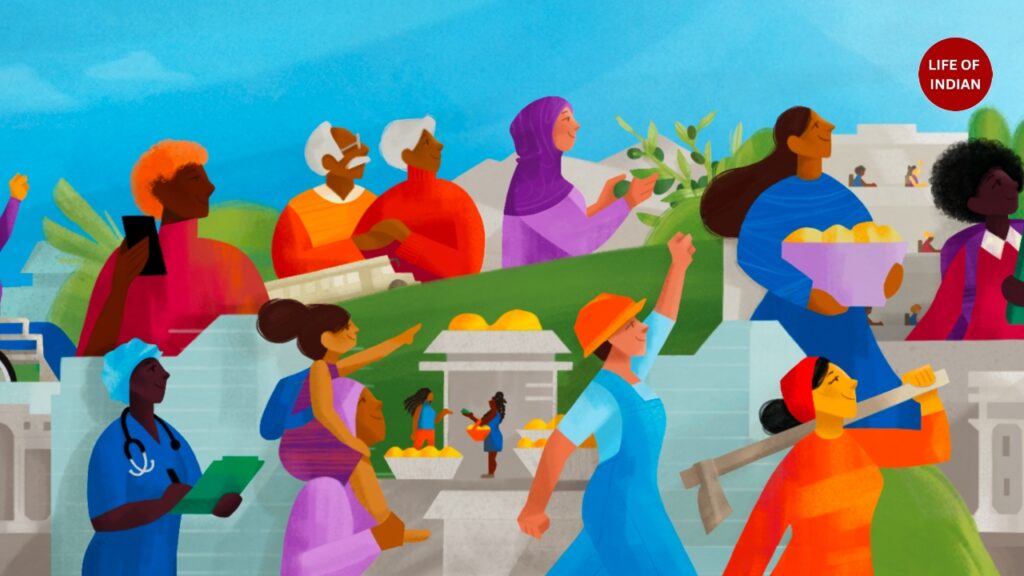
In modern times, organisations such as UN Women actively use these colours in International Women’s Day campaigns.
They appear in many forms, including:
- Social media awareness graphics
- Public rallies and educational programs
- Corporate diversity initiatives
- Lighting iconic landmarks in purple
These visual symbols help spread awareness about gender equality and remind society that the movement for women’s rights continues.
International Women’s Day is more than just a celebration—it is a reminder of the long struggle women have undertaken to achieve equality and recognition.
The colours purple, white and green reflect the values that drive this movement: justice, unity and hope. They serve as powerful visual symbols of the achievements women have made and the progress that still needs to be achieved.
As the world observes International Women’s Day each year, these colours continue to inspire people everywhere to support gender equality and empower women for generations to come.