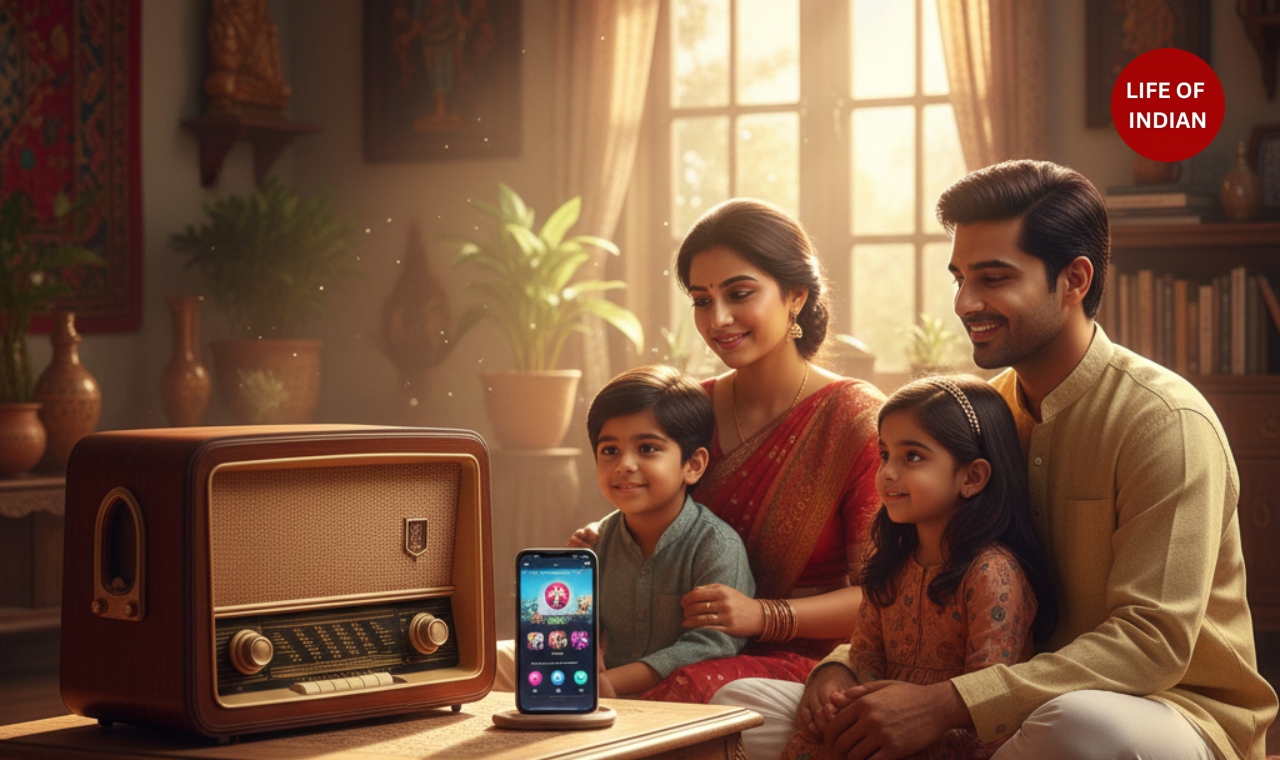
In a world filled with smartphones, podcasts, streaming apps, and social media, one might assume that radio has become outdated. Yet, despite rapid technological changes, radio remains one of the most trusted, accessible, and powerful mediums of communication across the globe. From remote villages to busy metropolitan cities, from disaster zones to battlefields, radio continues to inform, educate, and entertain millions of people every single day.
This timeless medium is celebrated every year as World Radio Day, a day dedicated to recognizing the importance of radio in shaping societies, strengthening democracy, and giving a voice to the unheard.
Radio is not just a device or a broadcast system — it is an emotion, a companion, and for many, a lifeline.
When and Why Is World Radio Day Celebrated?
World Radio Day is observed annually on February 13.
The day was officially proclaimed by UNESCO in 2011, and later adopted by the United Nations General Assembly in 2012. The date marks the anniversary of the establishment of United Nations Radio in 1946, which aimed to share global information and promote peace.
The purpose of this day is simple yet meaningful — to highlight how radio:
- Connects communities
- Spreads reliable information
- Supports freedom of expression
- Promotes education and culture
- Helps during emergencies and disasters
Even today, radio reaches places where the internet or television cannot.
The History and Evolution of Radio
Radio technology was developed in the late 19th and early 20th centuries. Scientists like Guglielmo Marconi played a key role in creating wireless communication systems. Soon after, radio broadcasting began and transformed the world.
During the early decades, families would gather around radio sets to listen to:
- News bulletins
- Patriotic speeches
- Music programs
- Storytelling shows
- Cricket commentary
It quickly became the heart of every household.
In India, radio broadcasting started in the 1920s, and later All India Radio (AIR) was established in 1936. AIR, now known as Akashvani, played a major role in:
- Spreading awareness during the freedom struggle
- Promoting Indian languages and culture
- Connecting rural and urban populations
- Delivering government schemes and public messages
Even today, Akashvani remains one of the largest radio networks in the world.
Why Radio Still Matters Today
Many people wonder — when we have YouTube, TV, and social media, why do we still need radio?
The answer lies in its simplicity and reach.
Radio does not require expensive gadgets or fast internet. A small device and a battery are enough. Because of this, it reaches:
- Villages
- Mountains
- Forest areas
- Border regions
- Low-income communities
It works even during power cuts and natural disasters when other communication systems fail.
During floods, earthquakes, or cyclones, radio often becomes the only source of reliable information, guiding people about safety measures and rescue efforts.
This makes radio not just entertainment — but survival support.
Radio as the Voice of the People
One of radio’s biggest strengths is that it gives voice to ordinary people.
Community radio stations allow local citizens to speak about:
- Local issues
- Women empowerment
- Education
- Agriculture
- Health awareness
- Folk music and traditions
In India, hundreds of community radio stations are run by schools, NGOs, and rural groups. These stations broadcast in local dialects, making information easy to understand.
For many small communities, radio is their own platform—their own identity.
Educational and Cultural Impact of Radio
Radio has always been a strong educational tool.
Before online classes existed, students learned through:
- Radio lessons
- Educational programs
- Government broadcasts
- Language classes
- Competitive exam guidance
Even today, educational radio programs help students in remote areas.
Culturally, radio preserves:
- Folk songs
- Classical music
- Poetry
- Storytelling traditions
- Regional languages
It protects heritage while adapting to modern times.
Radio in the Digital Era
Radio has not disappeared — it has evolved.
Today we have:
- FM Radio
- Internet Radio
- Online streaming
- Podcasts
- Mobile radio apps
People listen while:
- Driving
- Cooking
- Working
- Traveling
Unlike video content, radio allows multitasking. You can listen without staring at a screen.
This convenience keeps radio relevant even among the younger generation.
Themes of World Radio Day
Every year UNESCO announces a theme to focus on a specific issue such as:
- Gender equality
- Youth voices
- Trust in media
- Climate change
- Peace and development
These themes encourage radio stations worldwide to create meaningful content that benefits society. The World Radio Day Conclave 2026, themed “Radio and Artificial Intelligence,” is being held in collaboration with UNESCO.
World Radio Day in India
In India, World Radio Day is celebrated by:
- Special broadcasts on Akashvani
- Community radio programs
- Workshops for students
- Radio competitions
- Cultural shows
- Awareness campaigns
Schools and colleges often organize activities to teach students about the history and importance of radio.
For many Indians, radio is connected with nostalgia — morning bhajans, cricket commentary, film songs, and late-night talks.
It is deeply woven into everyday life.
Why Radio Will Never Die
Technology may change, but radio’s essence remains timeless.
It is:
- Affordable
- Accessible
- Portable
- Trustworthy
- Human
Even in the age of artificial intelligence and social media, nothing replaces the warmth of a real human voice speaking directly to listeners.
Radio builds imagination. It paints pictures with sound. It connects hearts without screens.
That is why radio continues to survive every technological revolution.
World Radio Day is not just about celebrating an old medium. It is about honoring a communication system that has served humanity for over a century.
From spreading freedom messages during India’s independence movement to guiding people during natural disasters today, radio has always stood with society.
In the fast digital world, radio reminds us of something simple — sometimes, a voice is all we need to feel connected.
So the next time you tune into a radio station, remember — you are not just listening to sound, you are listening to history, culture, and humanity.
Radio is not fading away.
It is still speaking.
And the world is still listening.