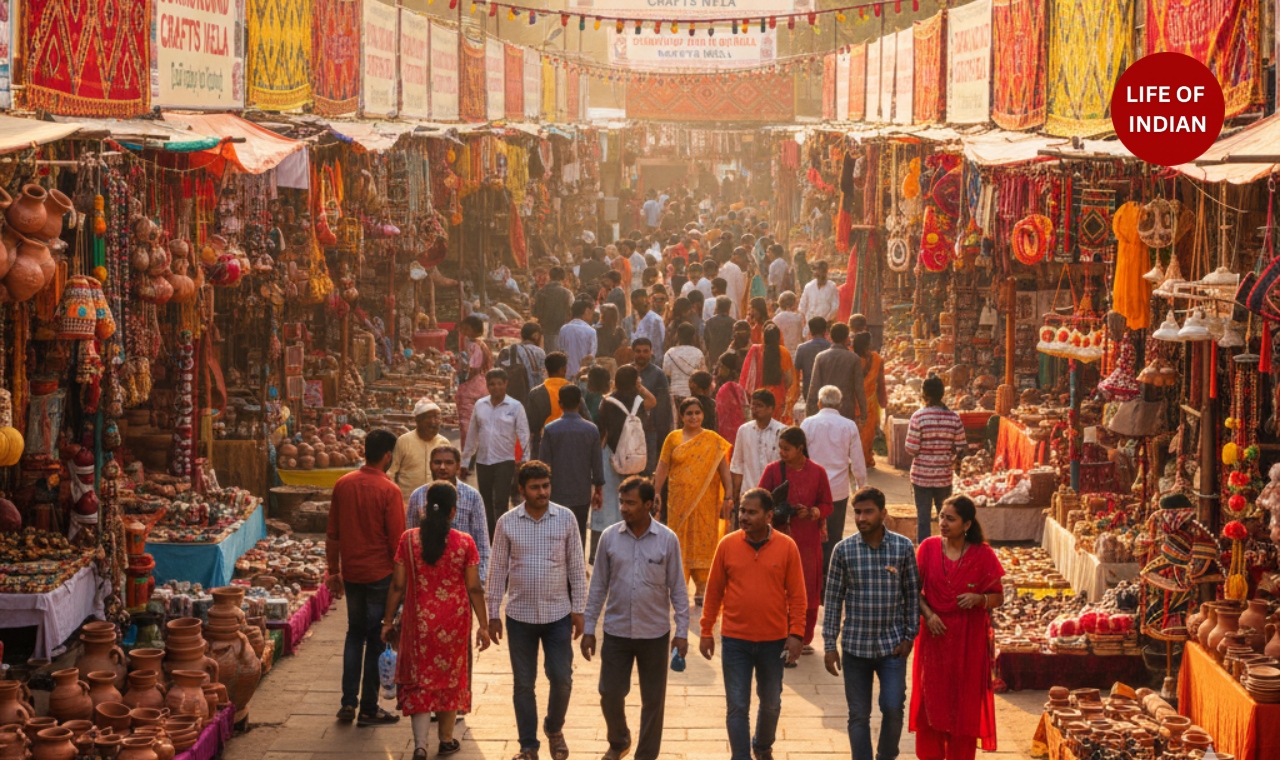
The Surajkund International Craft Mela is one of India’s most vibrant cultural festivals, celebrating the country’s rich heritage, traditional crafts, folk arts, and diverse regional cultures all in one place. It brings together artisans, performers, and visitors from across India and around the world.
Where Is Surajkund Mela Held?
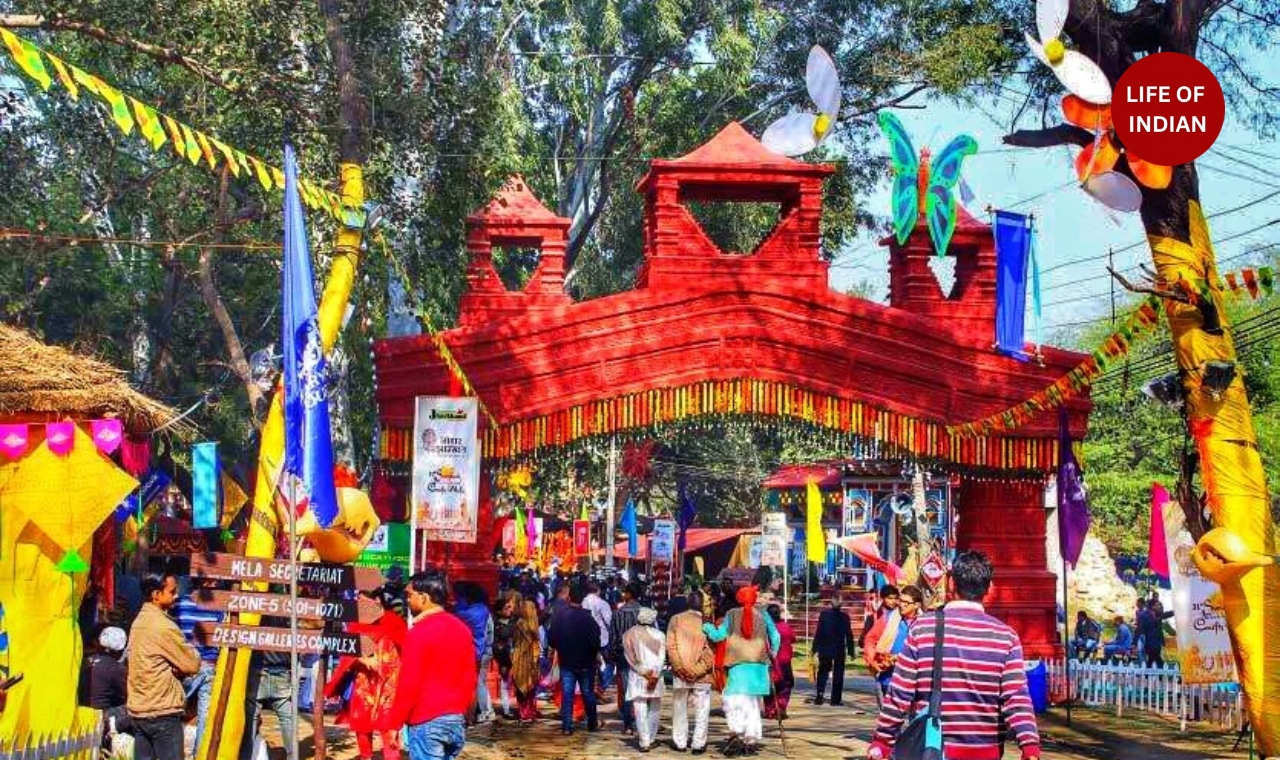
The Surajkund Mela takes place every year in Surajkund, located in Faridabad district of Haryana, India—right next to the Delhi–Haryana border. The venue is part of an ancient historic site that includes the Surajkund reservoir, believed to be centuries old.
When Does It Take Place?
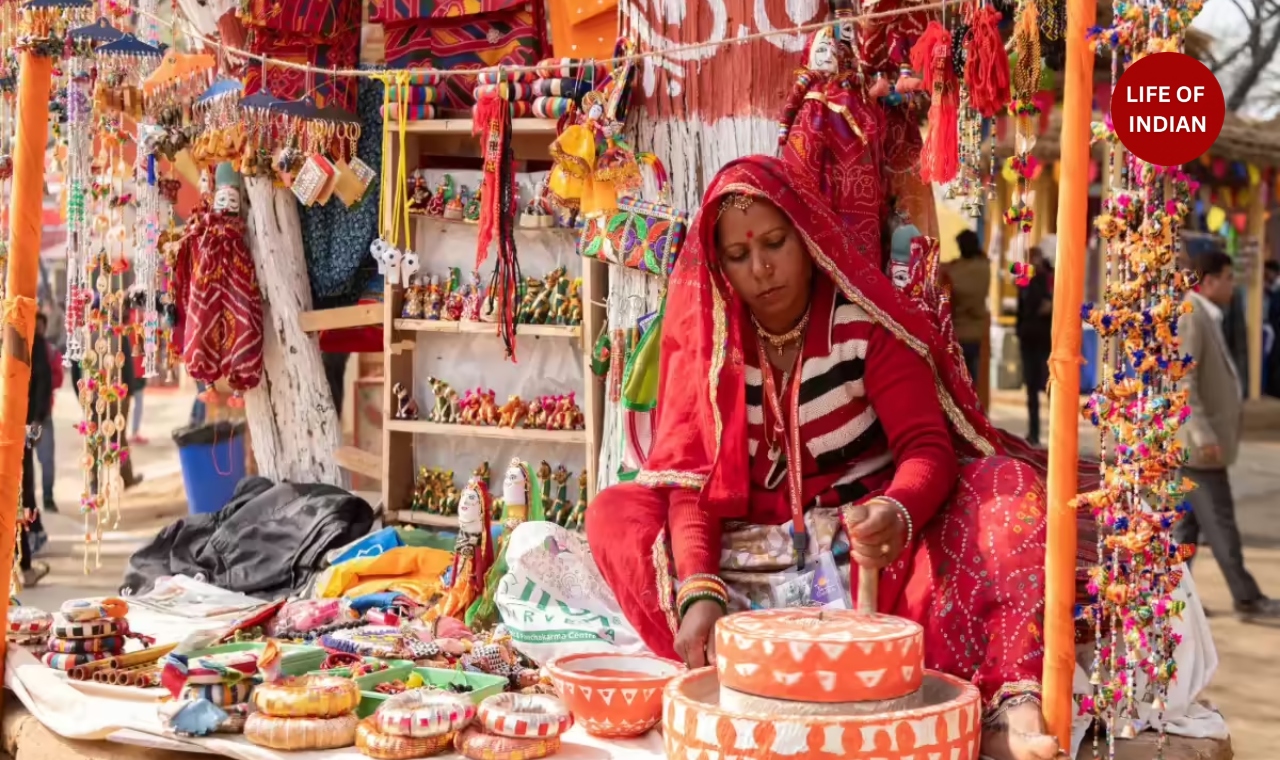
Surajkund Mela is usually held every February, lasting for about two weeks—commonly from early February to mid-February. During this time, the fair attracts huge crowds, including families, students, tourists, and culture lovers.
For example, the 39th Surajkund Mela in 2026 was scheduled from January 31 to February 15, 2026, in Faridabad.
History & Origin—Why Was Surajkund Mela Started?
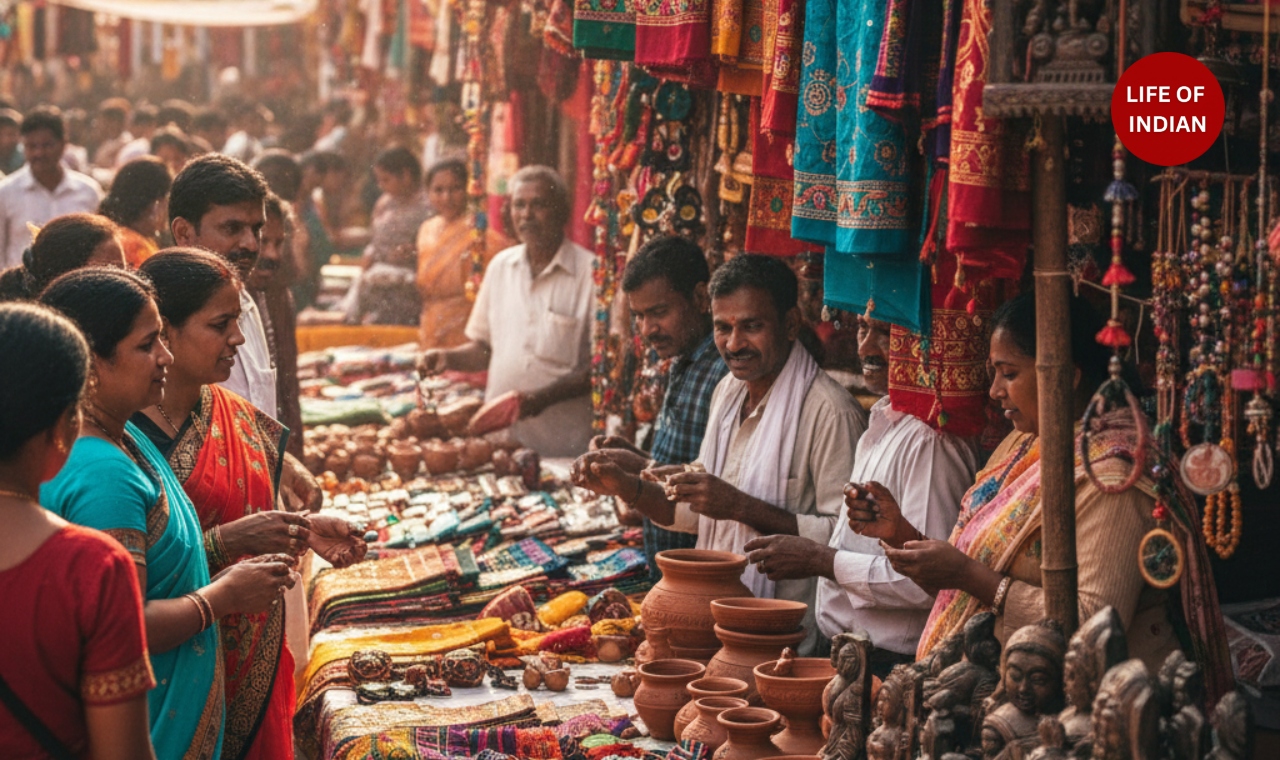
Surajkund Mela was first held in 1987 with the main purpose of preserving India’s fading arts and crafts and providing a platform for artisans and weavers whose traditional skills were threatened by cheap machine-made products.
The idea was to create a platform that not only showcases crafts but also supports livelihoods, helps artisans reach broader markets, and connects rural artistry with urban and global visitors.
Over the years, the event has grown into the largest crafts fair in the world, with thousands of artisans, cultural programs, international participation, and millions of visitors attending each year.
What Makes Surajkund Mela Special?
1. Showcase of Handicrafts & Handlooms
The mela features traditional art forms, textiles, handicrafts, and heritage products from across India, including:
-
Handwoven sarees and fabrics
-
Terracotta and pottery
-
Woodwork and carved items
-
Tribal jewellery and metal crafts
-
Regional paintings and sculptures
-
Cane, grass, and bamboo crafts
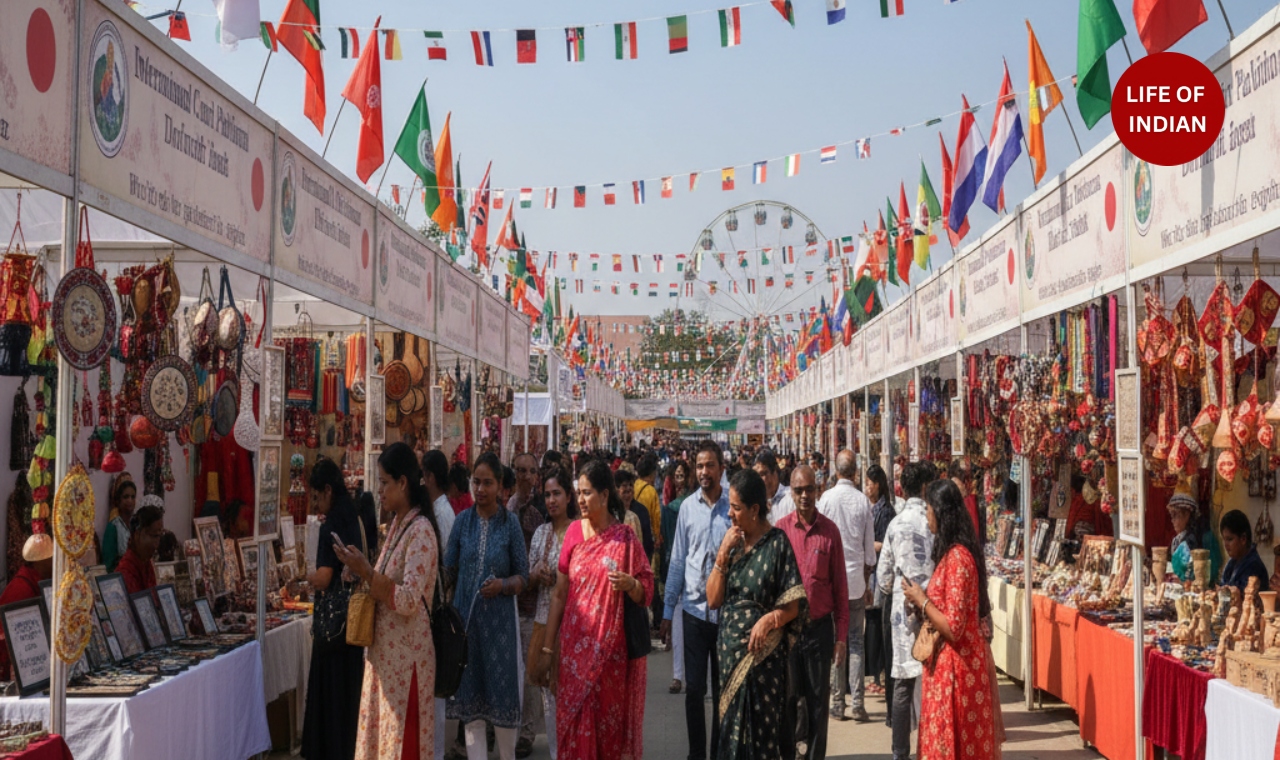
2. International Participation
Surajkund Mela also invites countries from around the world to showcase their traditional crafts and arts. Over the years, many countries have been partner nations, bringing global cultural exchange to the fair.
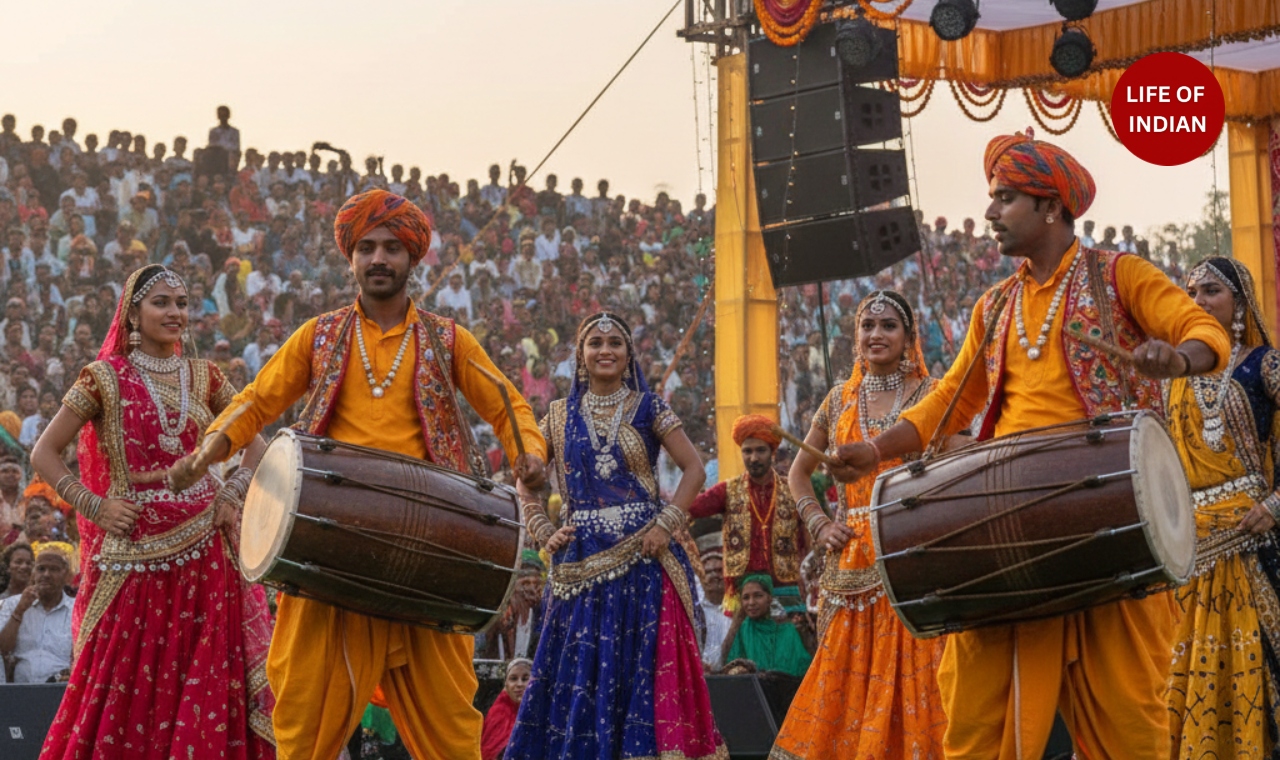
3. Cultural Performances & Folk Arts
Daily cultural programs include:
-
Folk dance and music
-
Classical performances
-
Puppet shows
-
Street entertainment
-
Folk parades
-
Fashion shows
All these performances enrich the atmosphere and present India’s colorful traditional arts and regional variations.
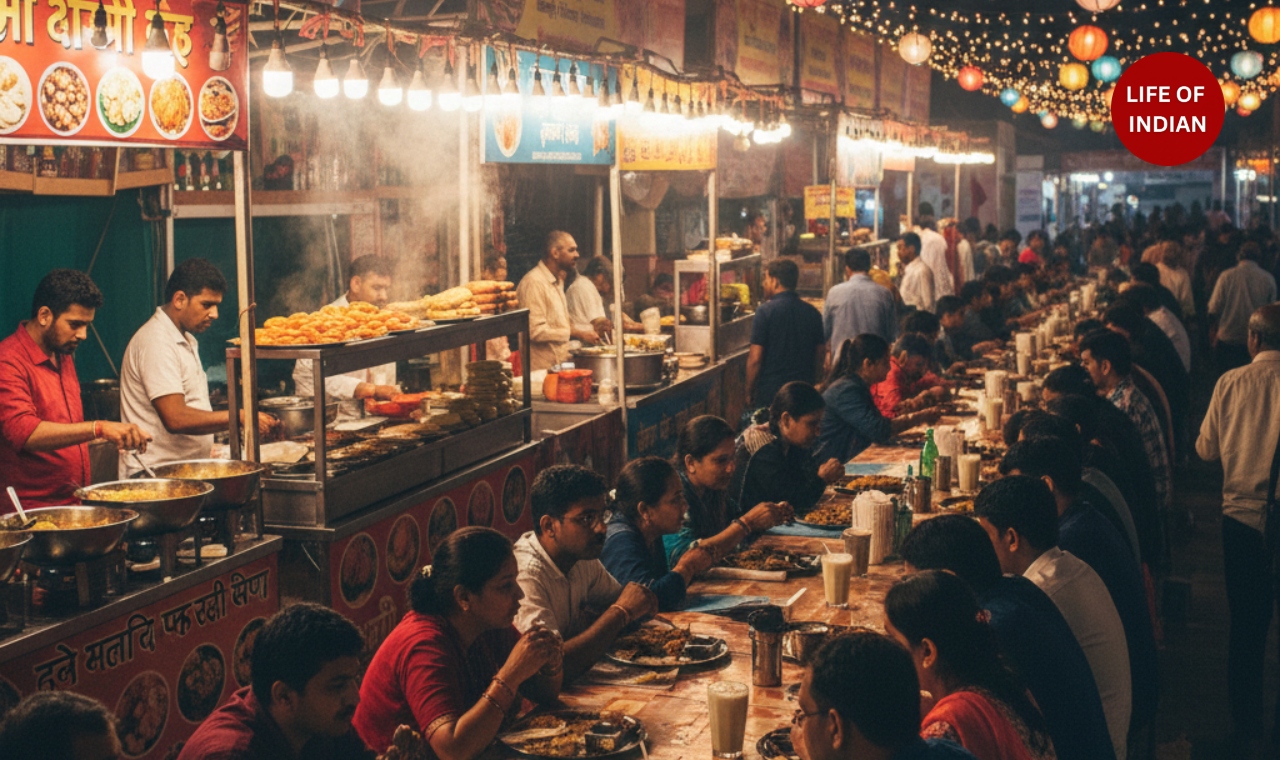
4. Food & Cuisine from All Over India
More than just crafts, the fair is a culinary delight too—you’ll find regional specialties and popular Indian foods from multiple states, giving visitors a complete cultural experience through taste as well.
Theme States & Partner Nations
Every year, the mela highlights one or more theme states and often a partner nation to spotlight their cultural heritage. For example:
- In 2026, Uttar Pradesh was chosen as a theme state, promoting its unique crafts, folk music, dance, and ODOP (One District One Product) items.
- A partner nation like Egypt sometimes participates with stalls and cultural exhibits representing its crafts and traditions.
This focus helps promote local industries and encourages tourism.
Who Can Visit & What Can You Do?
Surajkund Mela is popular among:
-
Art lovers and students
-
Families and tourists
-
Craft buyers and entrepreneurs
-
Cultural researchers
-
Foreign tourists seeking authentic Indian experiences
Visitors can:
- Interact directly with artisans and learn craft techniques
- Buy handmade items at fair prices
- Enjoy live folk music and dance performances
- Taste regional foods
- Explore cultural demonstrations and workshops
Visitor Experience & Practical Tips
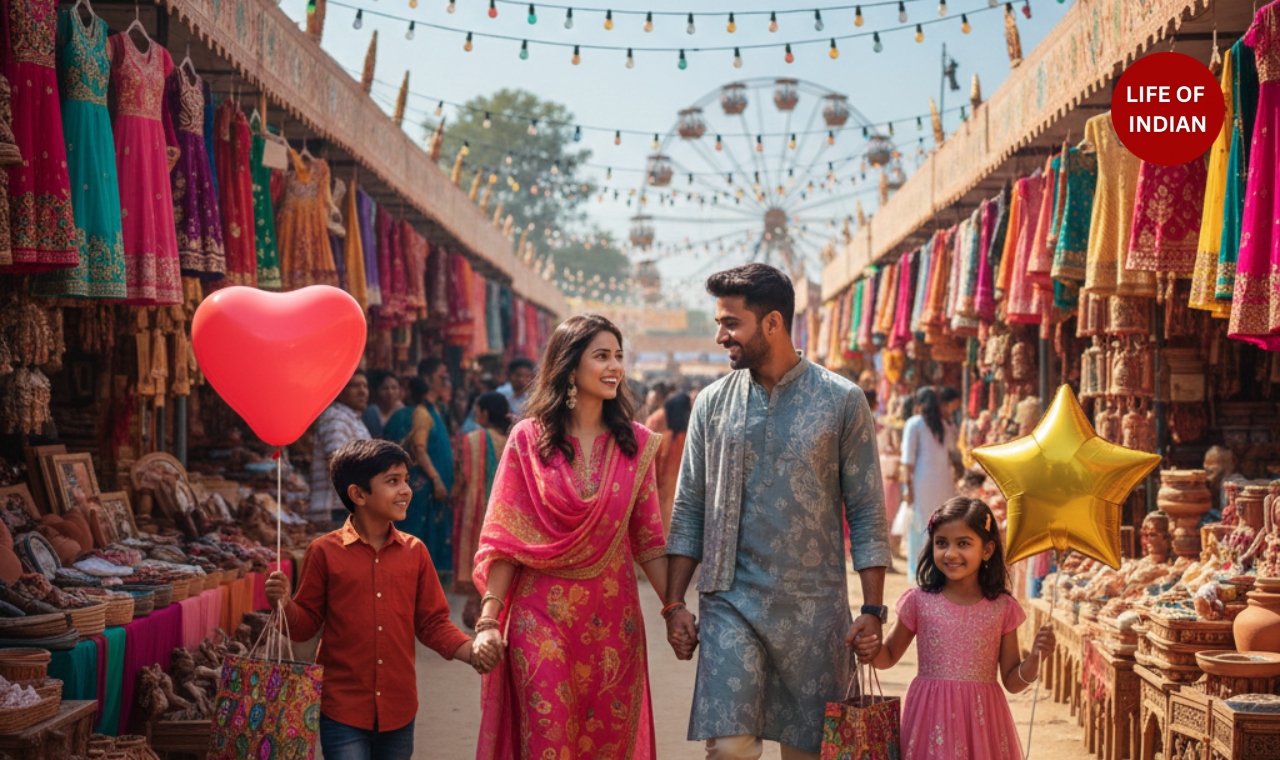
- The mela often takes place on a large ground of around 40 acres with thousands of stalls.
- Entry tickets are generally affordable, with discounts for students and senior citizens.
- There are food courts, amusement sections, and fun rides, making it a great family outing.
- Theme pavilions, monumental replicas, and displays help visitors feel like they are experiencing mini-India under one sky.
Cultural Importance & Economic Impact
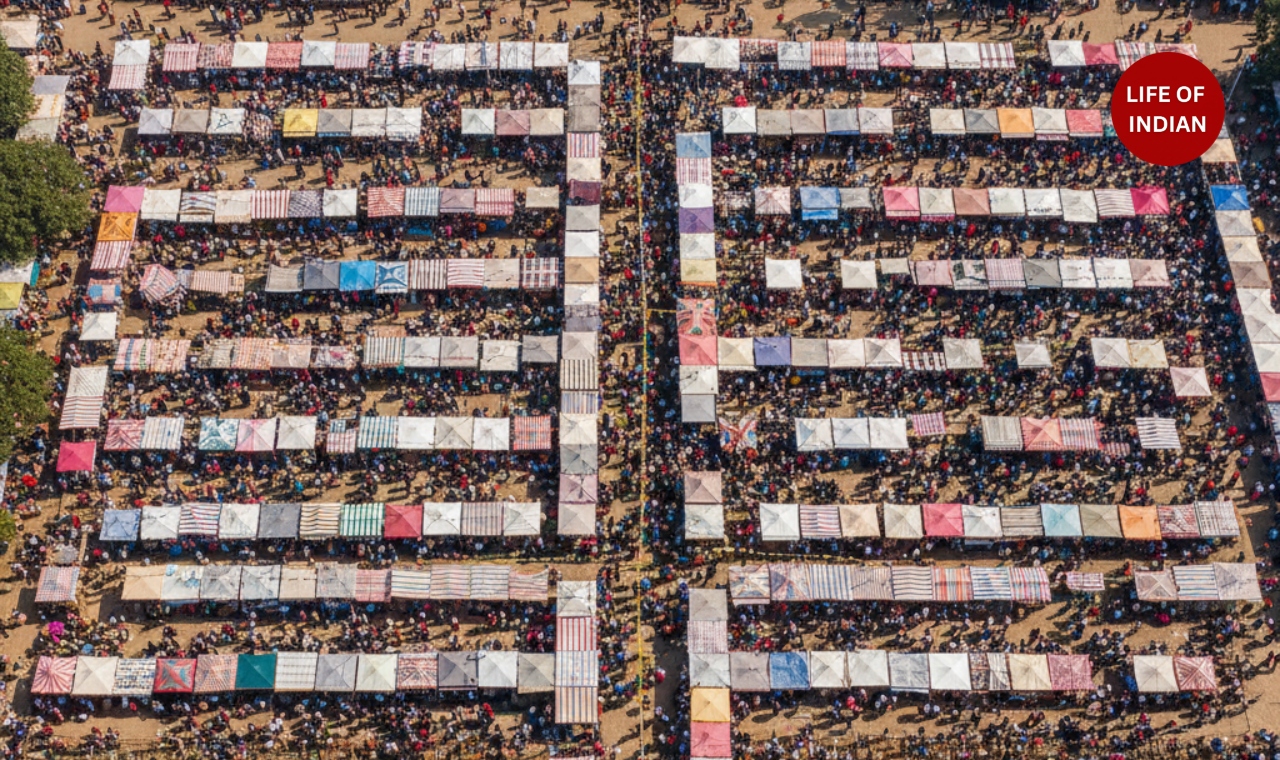
- Surajkund Mela has become a major platform for economic empowerment of artisans and local businesses. It supports rural entrepreneurship and helps sustain traditional crafts economically.
- It also promotes cultural tourism in Haryana and contributes significantly to the ‘orange ’economy’—the economic value generated by creative industries such as arts and culture.
Surajkund Mela is not just a fair—it’s a living showcase of India’s cultural diversity and heritage craftsmanship, embracing both tradition and modern participation from all over the world. It highlights:
- Traditional arts & handicrafts
- Global cultural exchange
- Folk performances & entertainment
- Regional cuisines
- Economic support for artisan communities
- Colorful festival vibes
Whether you are a culture enthusiast, tourist, or local visitor, Surajkund Mela delivers an unforgettable experience of India’s artistic soul.