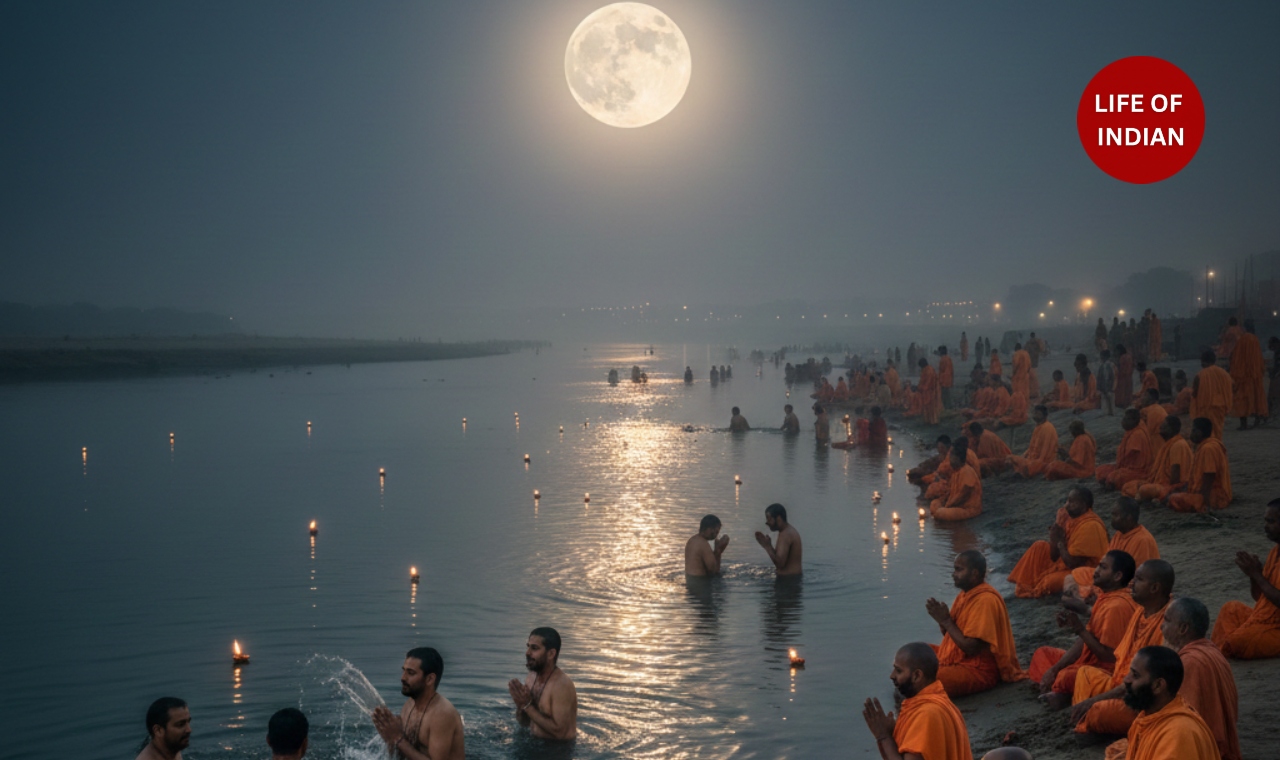
Magh Purnima is one of the most sacred and spiritually significant days in the Hindu calendar. It is observed on the full moon day (Purnima) of the Magh month, which usually falls between January and February. This auspicious day holds great importance for holy bathing, charity, fasting, meditation, and spiritual practices.
According to Hindu scriptures, any good deed performed on Magh Purnima brings many times more merit (Punya) and helps a person move closer to spiritual purification and liberation.
Why Is Magh Purnima Celebrated?
Magh Purnima is celebrated for several religious, spiritual, and mythological reasons:
1. Completion of the Magh Snan Period
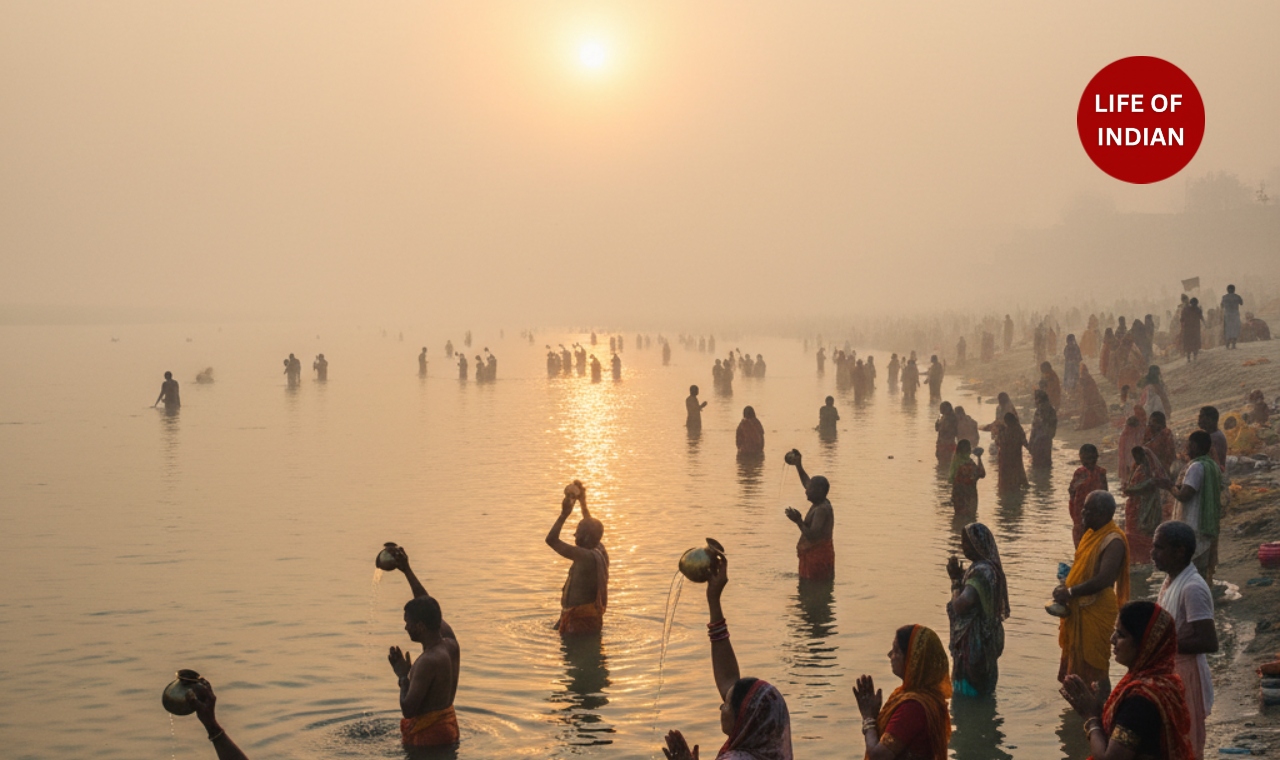
The period from Paush Purnima to Magh Purnima is considered extremely holy for bathing in sacred rivers. Magh Purnima marks the final and most important day of this holy bathing period.
It is believed that taking a dip in rivers like the Ganga, Yamuna, and Saraswati on this day washes away sins and purifies the soul.
2. Special Blessings of Gods and Deities
According to ancient beliefs, gods descend to Earth on Magh Purnima to bless devotees who perform righteous deeds such as bathing, charity, prayer, and penance.
3. Conclusion of Kalpavas
In holy cities like Prayagraj, Varanasi, and Haridwar, devotees observe Kalpavas—a month-long spiritual discipline involving austerity, meditation, and simplicity. Magh Purnima marks the official conclusion of Kalpavas, making it an extremely auspicious occasion.
Religious Significance of Magh Purnima
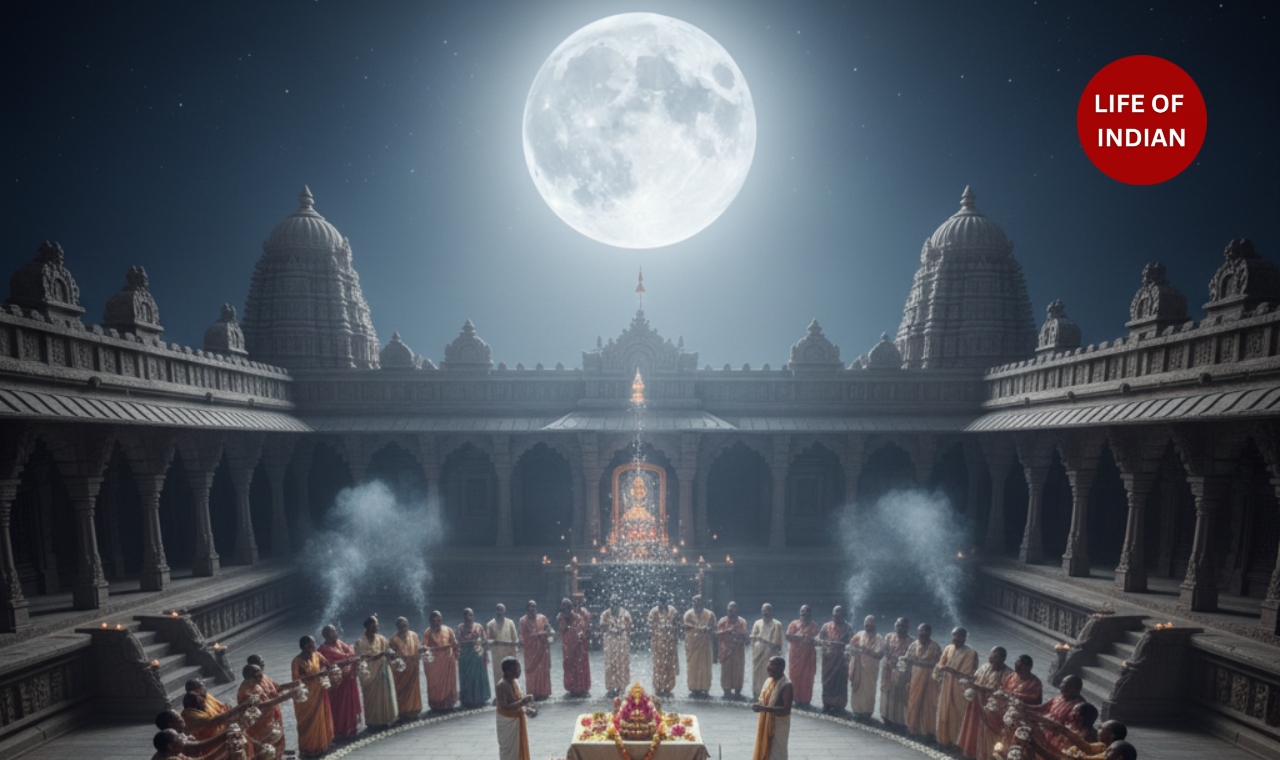
Magh Purnima is deeply rooted in Hindu religious traditions and scriptures:
-
Holy bathing grants spiritual purification
-
Charity ensures eternal merit (Akshay Punya)
-
Worship of Lord Vishnu and Chandra Dev (Moon God) brings peace and prosperity
-
Pitru Tarpan helps satisfy ancestors and removes ancestral obstacles
A famous scriptural verse says:
“Maghe Snanam Mahapunyam Sarvapapapranashanam”
Meaning, bathing during the Magh month destroys all sins and grants great virtue.
What Is Done on Magh Purnima? (Rituals and Practices)
1. Holy Bath at Brahma Muhurta
Devotees wake up early and take a sacred bath in rivers, ponds, or at home by mixing Ganga water. After bathing, offering water to the Sun God is considered highly beneficial.
2. Worship of Lord Vishnu
Magh Purnima is especially dedicated to Lord Vishnu, the preserver of the universe. Devotees worship Him with:
-
Yellow clothes
-
Tulsi leaves
-
Sandalwood paste
-
Lamps and incense
3. Worship of Chandra Dev (Moon God)
As it is a full moon day, devotees offer milk, rice, white flowers, and sweets to the Moon God and pray for mental peace and emotional balance.
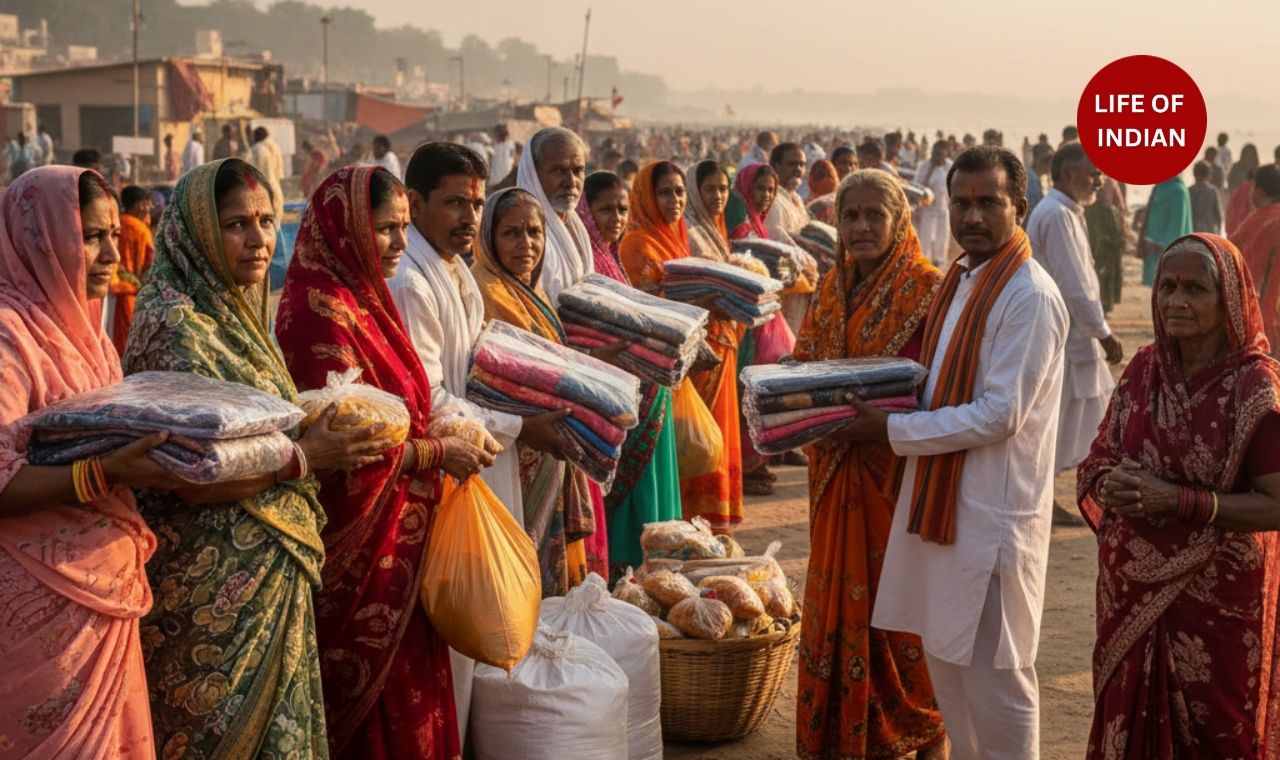
4. Charity and Donations
Charity on Magh Purnima is believed to give everlasting results. Common items donated include:
-
Food grains
-
Clothes
-
Sesame seeds
-
Jaggery
-
Blankets
-
Fodder for cows
5. Fasting and Religious Stories
Many devotees observe a Purnima fast and listen to or recite Satyanarayan Katha, Vishnu Purana, or Ganga Mahatmya, which enhances spiritual merit.
Magh Purnima and Magh Mela/Kumbh
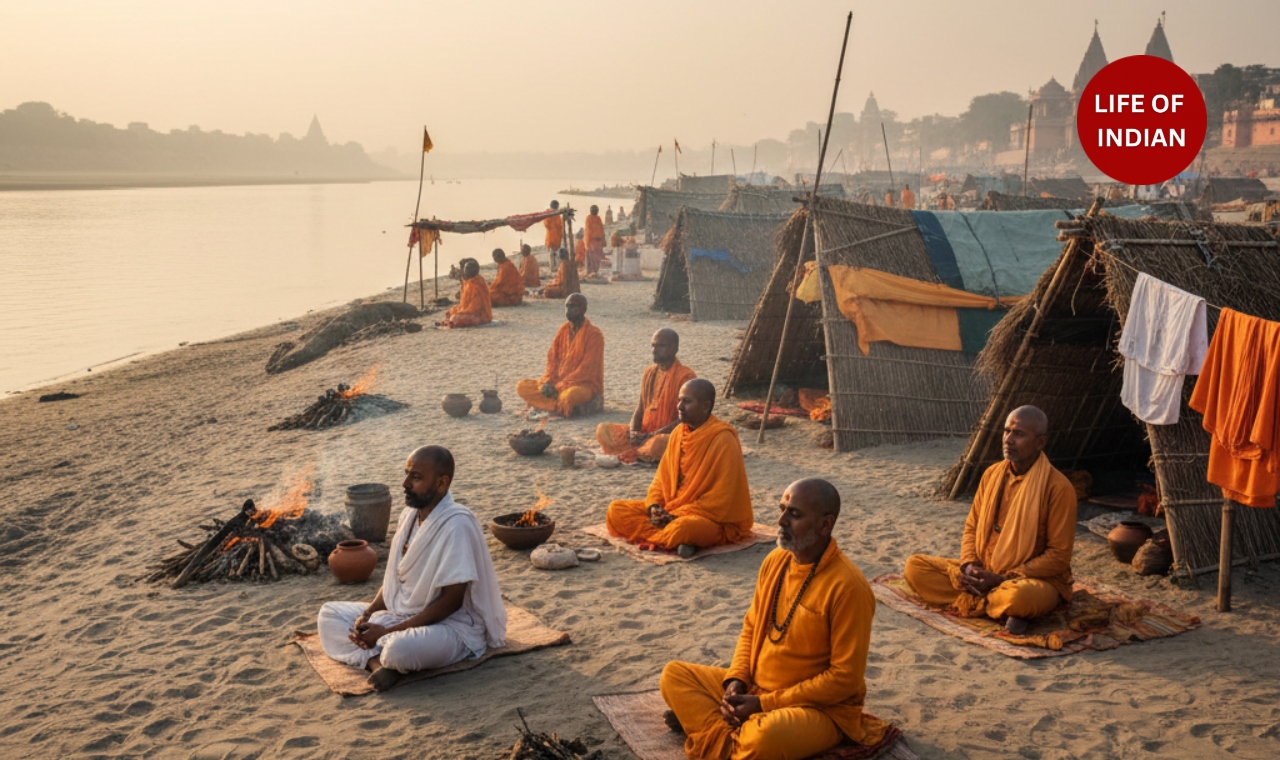
Magh Purnima has a strong connection with the Magh Mela and Kumbh Mela held in Prayagraj. It is considered one of the most important bathing days, attracting millions of pilgrims who take a holy dip at the Triveni Sangam.
Spiritual and Scientific Perspective of Magh Purnima
-
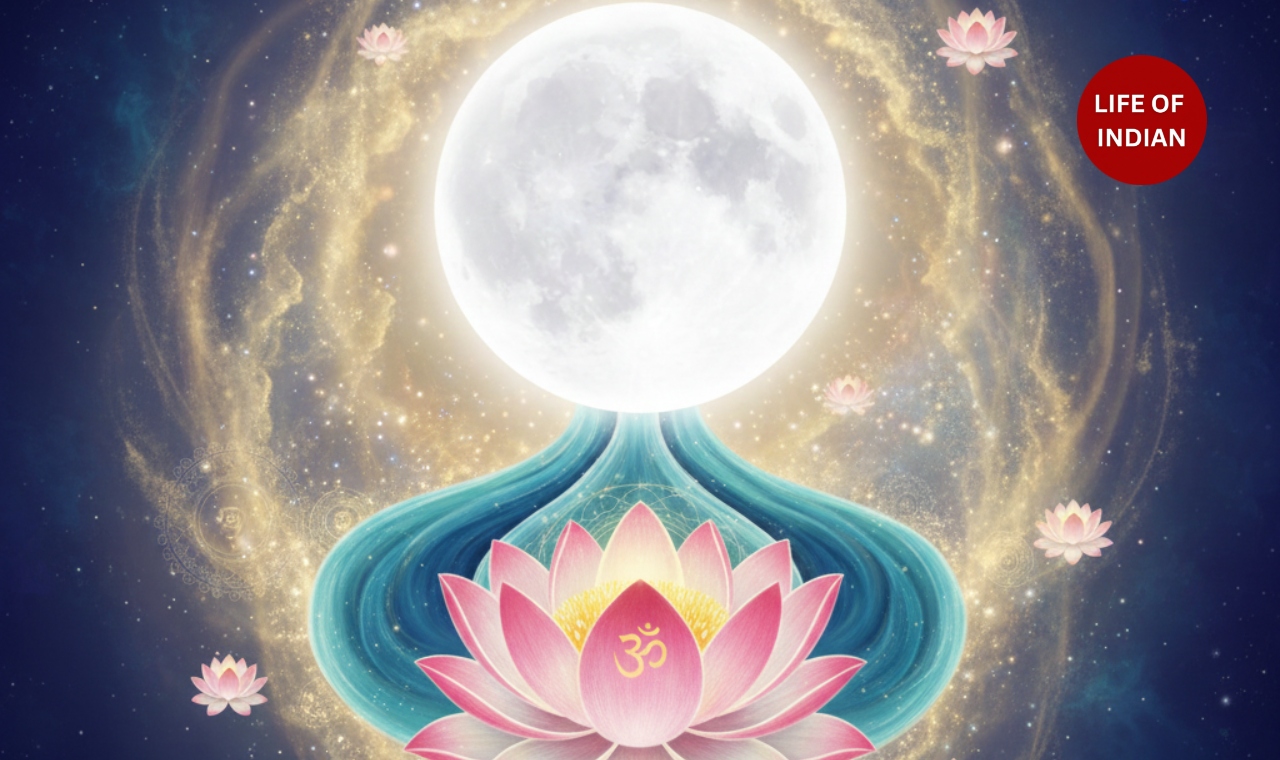
During Magh month, the Sun moves northward, creating positive cosmic energy
-
Cold water bathing improves blood circulation and immunity
-
Fasting and meditation promote mental clarity and emotional balance
-
Charity strengthens social harmony and compassion
Benefits of Observing Magh Purnima
- Cleansing of sins
- Accumulation of spiritual merit
- Mental peace and positivity
- Relief from ancestral doshas
- Progress toward moksha (liberation)
Magh Purnima is not just a religious date but a celebration of purity, charity, devotion, and self-discipline. The rituals performed on this sacred day help individuals cleanse their mind and soul, connect with divine energies, and lead a more meaningful and righteous life. This is why Magh Purnima has been celebrated with deep faith and reverence since ancient times.