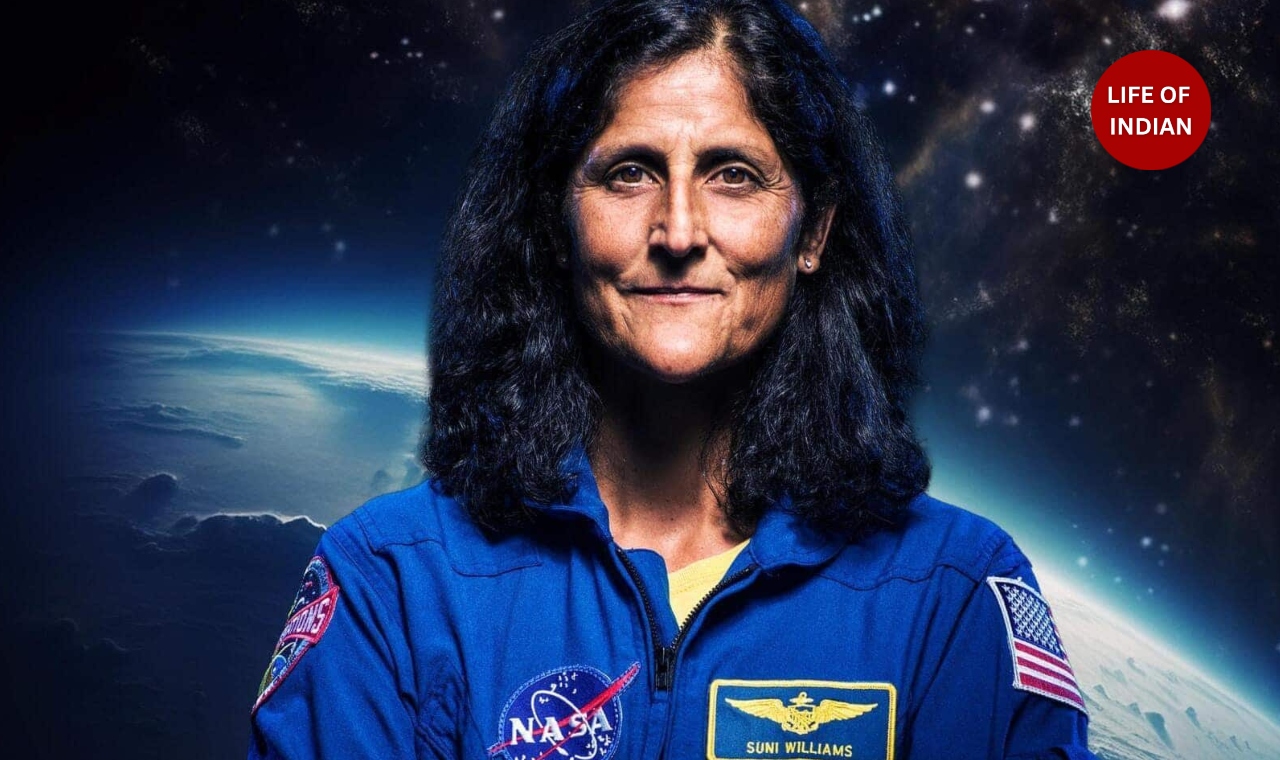
Sunita Williams is one of the most inspiring astronauts in the world, whose life story proves that determination, discipline, and dreams can take a person beyond boundaries—even beyond Earth itself. Known for her remarkable space missions and leadership aboard the International Space Station (ISS), Sunita Williams is not just a space explorer but also a global role model for women, young students, and aspiring scientists.
Birth and Early Life
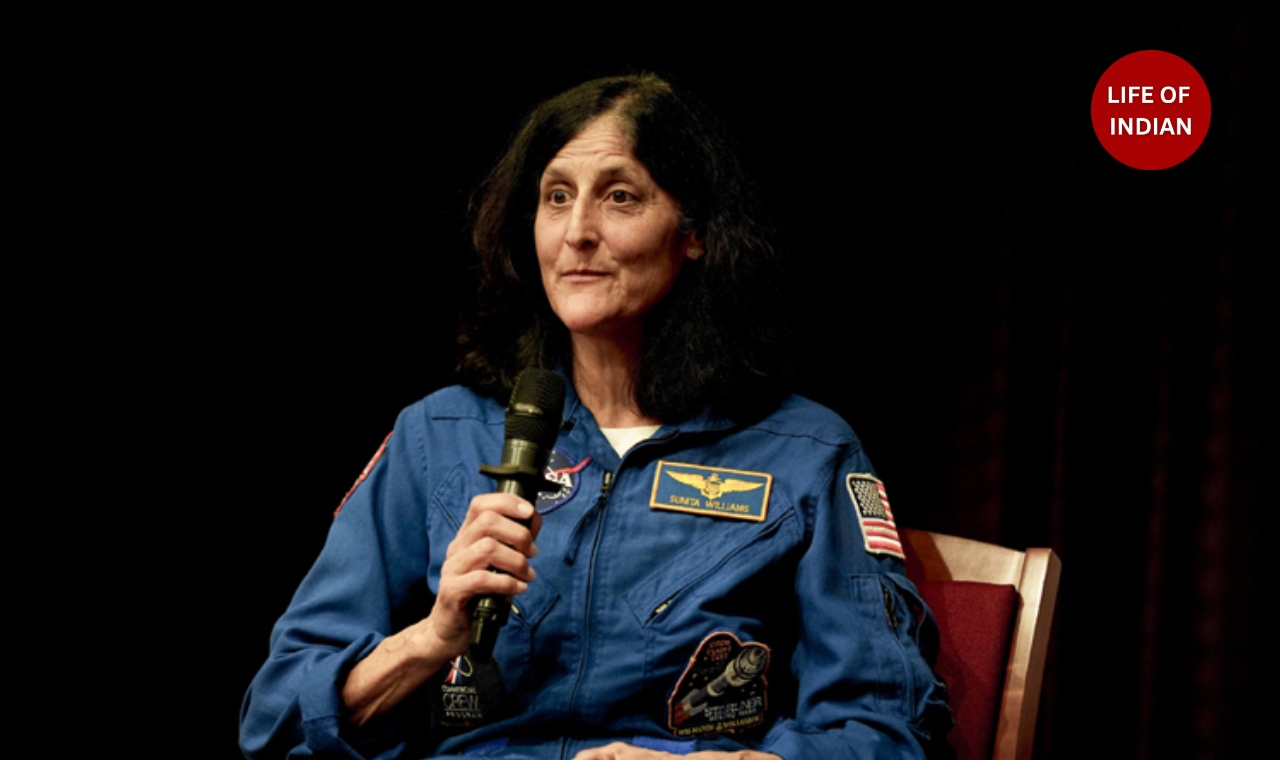
Sunita Lyn Williams was born on September 19, 1965, in Euclid, Ohio, United States. She grew up in Needham, Massachusetts, in a culturally diverse household that shaped her open-minded and resilient personality. Her father, Deepak Pandya, is of Indian origin from Gujarat, while her mother, Bonnie Pandya, has Slovenian roots. Sunita has always spoken proudly about her Indian heritage and often credits her upbringing for instilling strong values, discipline, and respect for education.
From a young age, Sunita was energetic, adventurous, and curious. She enjoyed sports, outdoor activities, and challenges—qualities that later became crucial in her career as a pilot and astronaut. Although she did not initially dream of becoming an astronaut, her interest in flying and engineering gradually guided her toward space exploration.
Education and Building the Foundation
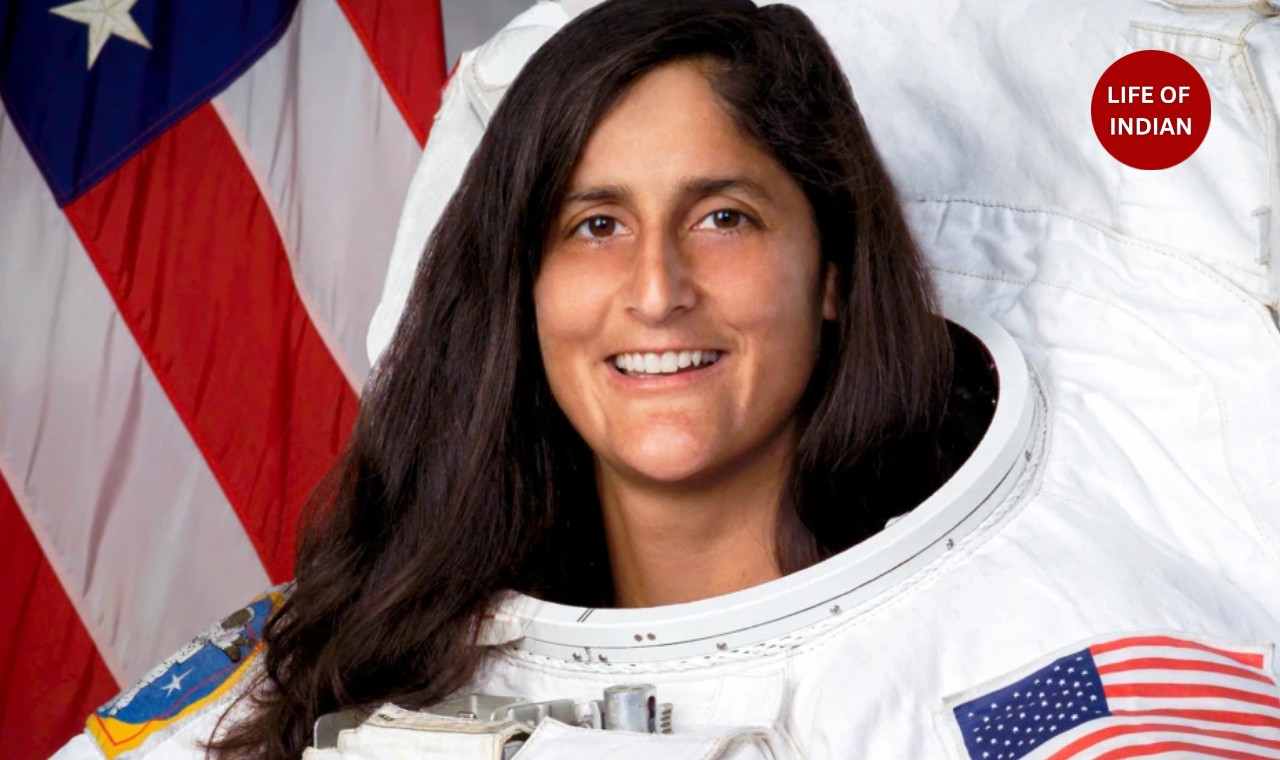
Sunita Williams completed her schooling at Needham High School. She later joined the United States Naval Academy, where she earned a Bachelor’s degree in Physical Science (1987). Her time at the Naval Academy played a significant role in shaping her leadership skills, mental toughness, and problem-solving abilities.
To further strengthen her technical expertise, she pursued a Master’s degree in Engineering Management from the Florida Institute of Technology. This strong academic background helped her handle the complex technical and managerial responsibilities required in space missions.
From the US Navy to NASA: The Road to Space
Before joining NASA, Sunita Williams served in the United States Navy as a helicopter pilot. She flew several types of aircraft and participated in numerous missions, including disaster relief and operational deployments. Over time, she logged more than 3,000 flight hours in more than 30 different aircraft.
Her experience as a test pilot and naval officer sharpened her ability to remain calm under pressure—an essential quality for astronauts. Inspired by her love for flying, adventure, and science, she applied to NASA and was selected as an astronaut in 1998, a moment that changed her life forever.
Space Career and Historic Missions
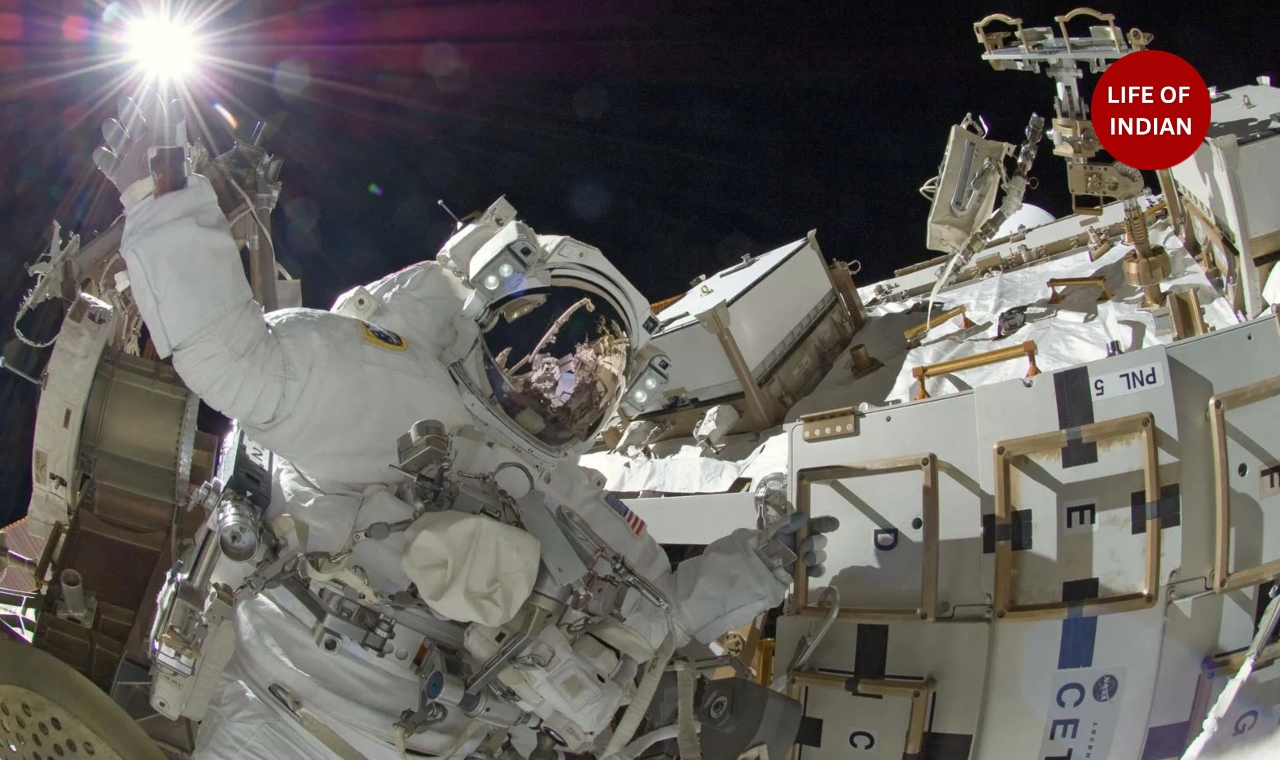
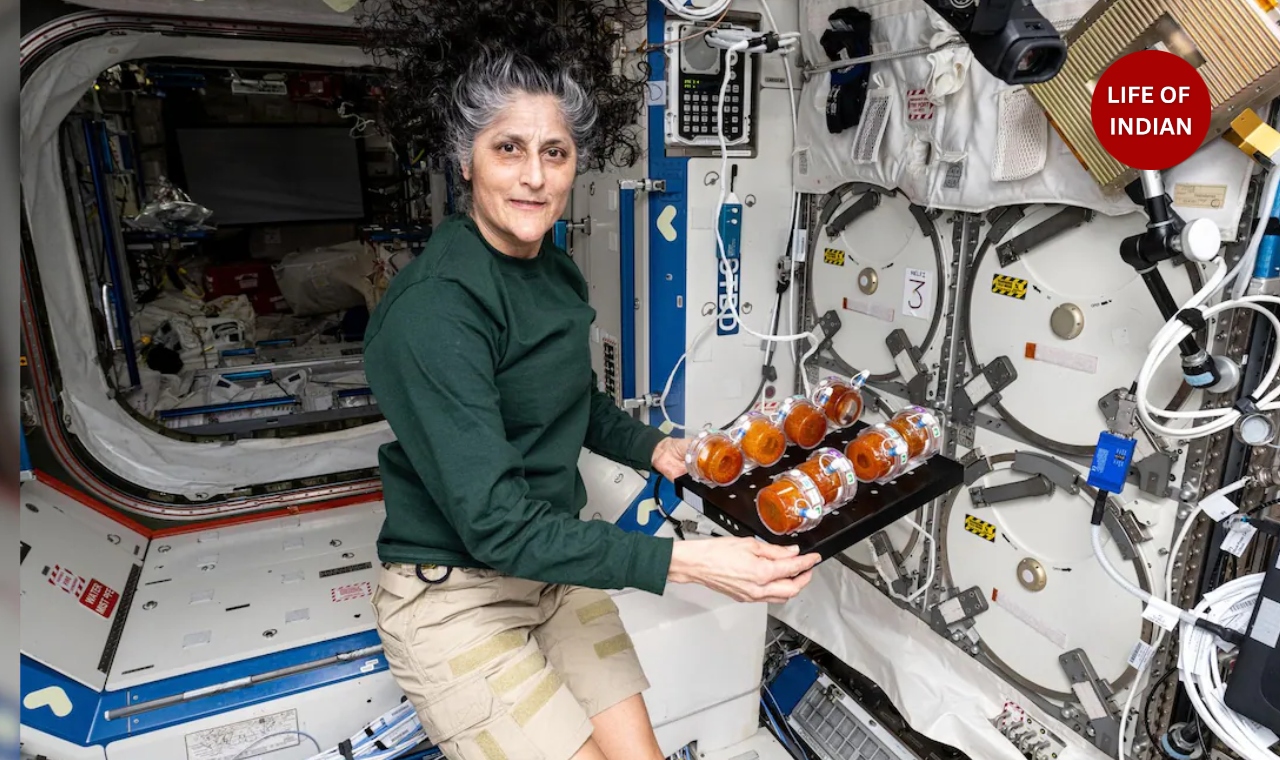
Sunita Williams made her first journey into space in December 2006 aboard Space Shuttle Discovery (STS-116). She became a part of Expedition 14 and 15 on the International Space Station. During this mission, she spent nearly 195 days in space, conducted multiple spacewalks, and contributed to the maintenance and expansion of the ISS.
Her second space mission came in 2012, when she flew as part of Expedition 32/33. During this mission, Sunita Williams achieved another historic milestone by becoming the second woman to command the International Space Station. Her leadership was praised worldwide, as she managed complex operations in one of the most challenging environments known to humanity.
In total, she spent 322 days in space, making her one of the most experienced female astronauts in history. She also completed seven spacewalks, spending over 50 hours outside the spacecraft, which placed her among the top spacewalkers globally.
Achievements Beyond Science
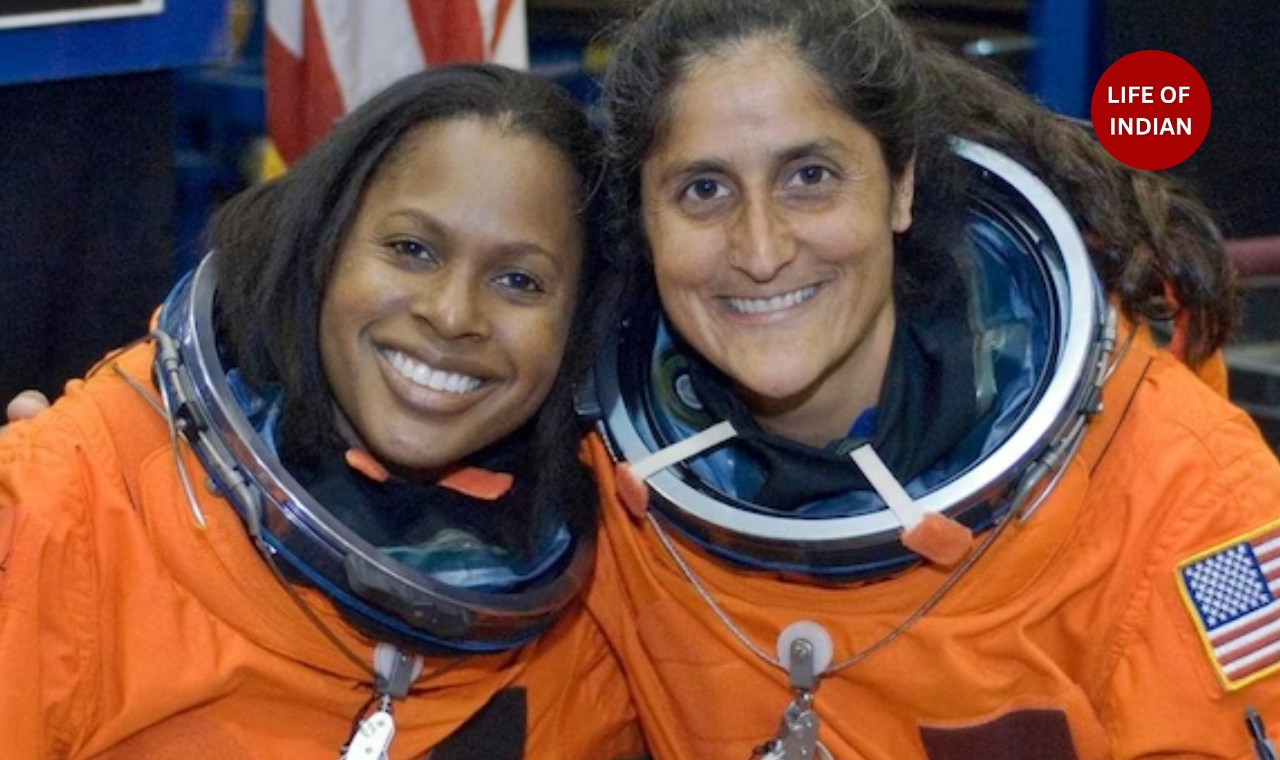
One of Sunita Williams’ most talked-about achievements is running a marathon in space. While orbiting Earth aboard the ISS, she ran the Boston Marathon on a treadmill, proving that physical and mental endurance have no limits—even in zero gravity.
She also carried symbols of her Indian heritage into space, including a copy of the Bhagavad Gita and a small idol of Lord Ganesha, showing how deeply connected she remains to her roots.
Dreams, Motivation, and Inner Strength
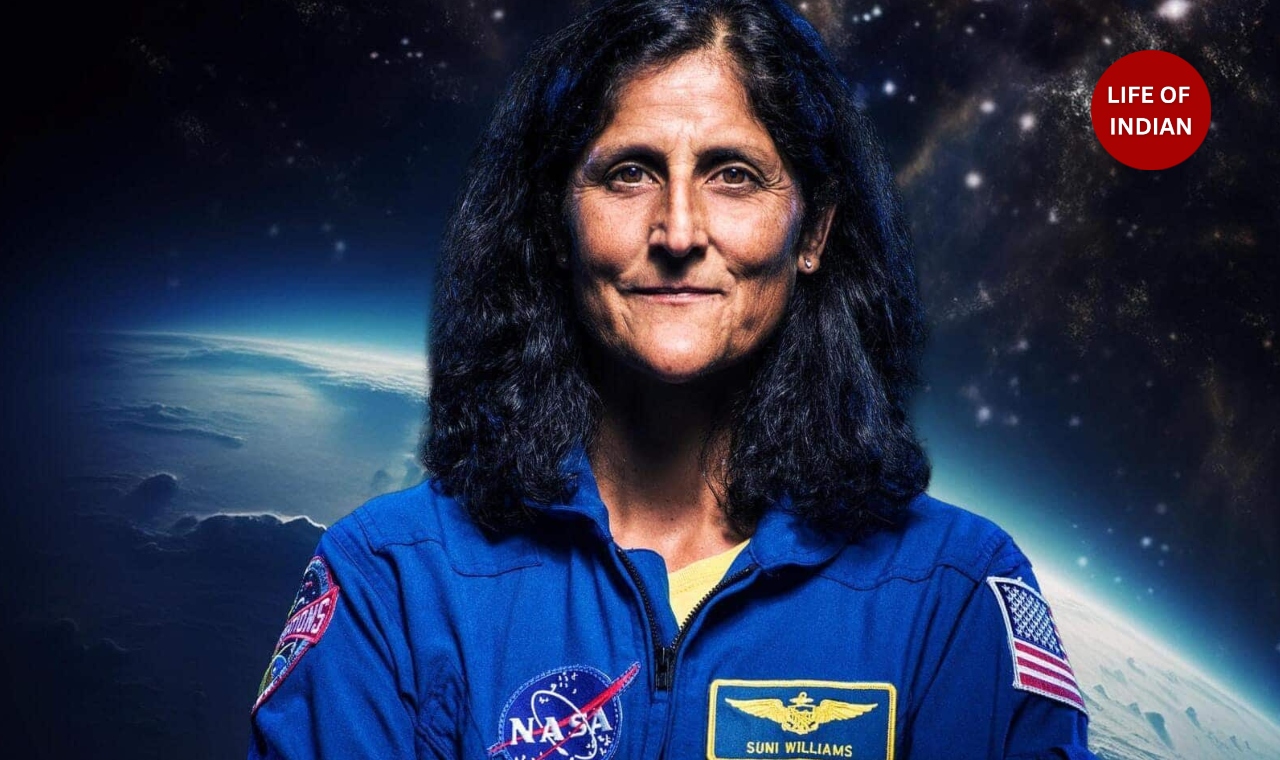
Sunita Williams often says that success comes from embracing challenges rather than fearing them. Her motivation grew from her willingness to step outside her comfort zone, learn from failures, and stay disciplined even during the toughest phases of training.
She believes that dreams do not need to be perfect at the beginning—they evolve with hard work and courage. Her journey reflects the idea that persistence matters more than talent alone.
A Powerful Role Model for Women Empowerment
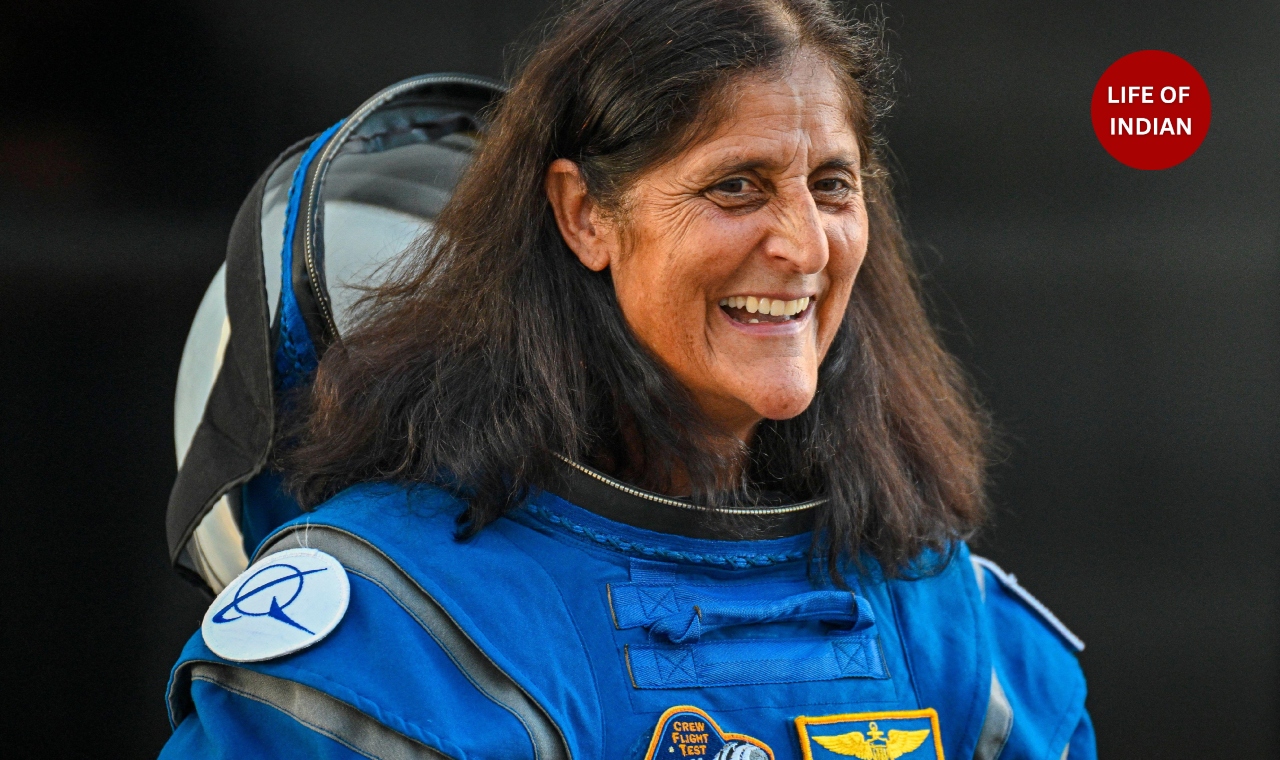
Sunita Williams has played a transformative role in inspiring women across the world, especially in the fields of science, technology, engineering, and mathematics (STEM). At a time when space exploration was largely male-dominated, she broke barriers through skill, leadership, and confidence.
She regularly interacts with students, encourages young girls to pursue careers in science, and speaks openly about gender equality. Her life sends a strong message: gender does not define capability—determination does.
By commanding the ISS, performing complex spacewalks, and excelling in physically demanding missions, she has redefined how women are perceived in high-risk, high-responsibility professions.
Honors and Recognition
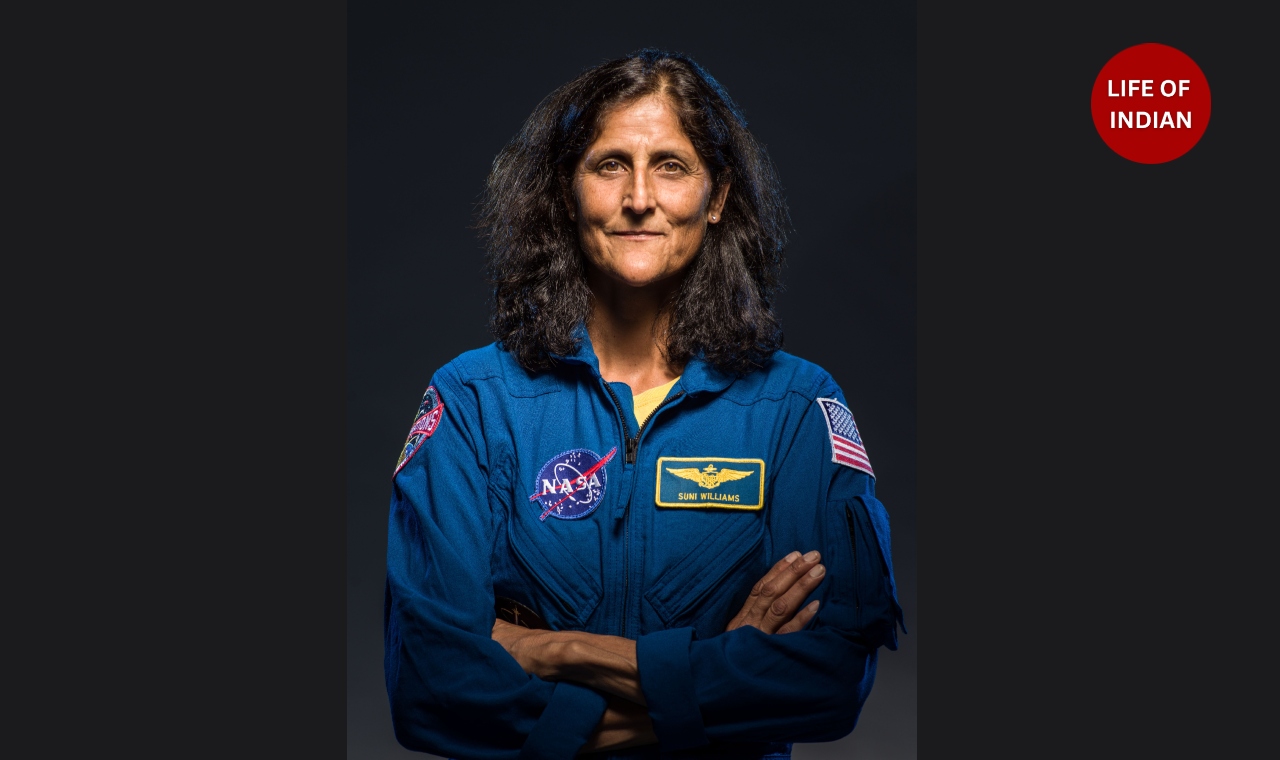
Sunita Williams has received numerous awards, including NASA’s Space Flight Medal and international recognitions for her contribution to space science. India has also honored her for bringing pride to her Indian heritage on a global platform.
Sunita Williams’ life is a remarkable story of courage, discipline, and inspiration. From a young girl with a love for adventure to one of the world’s most respected astronauts, her journey proves that human potential is limitless. She is not only a pioneer in space exploration but also a symbol of hope and empowerment for millions of women who dare to dream big.
Her story reminds us that with perseverance and belief, even the sky is not the limit—it is just the beginning.