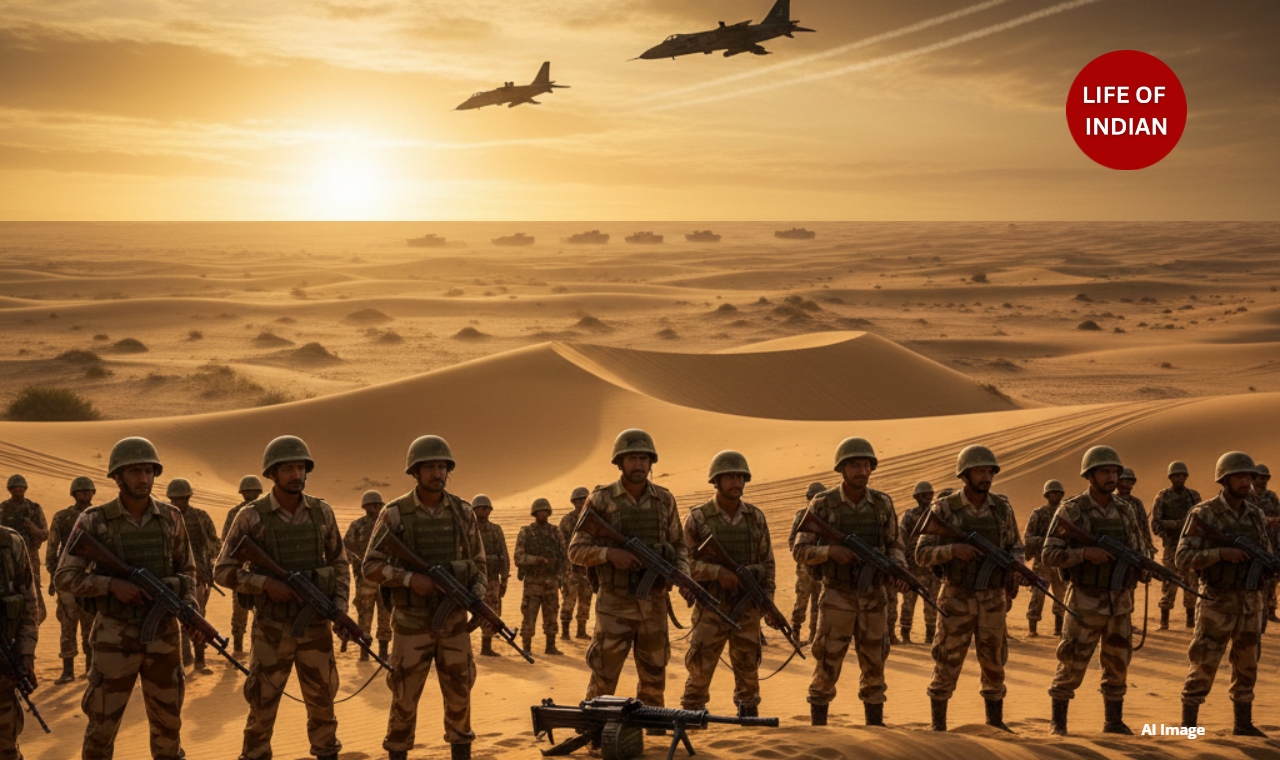
Battle of Longewala: Whenever India–Pakistan wars are discussed, a powerful scene from the 1997 film Border instantly comes to mind—
an endless stretch of desert, an eerie silence, the thunder of advancing tanks, and a handful of Indian soldiers standing firm against a massive enemy force.
That unforgettable cinematic moment was not just fiction. It was inspired by the real Battle of Longewala, fought during the 1971 Indo-Pak War—a battle that remains one of the most extraordinary examples of courage, leadership, and strategic brilliance in Indian military history.
While the film portrayed the battle with dramatic intensity, the real story was even more heroic, disciplined, and inspiring. At a remote border post in the Thar Desert, around 120 Indian soldiers, led by Major Kuldip Singh Chandpuri, held their ground against thousands of Pakistani troops and dozens of tanks and changed the course of the war.
The Battle of Longewala was not merely a military confrontation. It was a powerful statement that wars are not won by numbers alone, but by courage, clarity of decision, and unwavering resolve. The battle took place at the Longewala post in Rajasthan’s Jaisalmer district during the 1971 war between India and Pakistan.
Background to the War
The 1971 Indo-Pak War is considered one of the most decisive conflicts in South Asian history. Widespread atrocities in East Pakistan and the resulting refugee crisis forced India to intervene. Anticipating Indian action, Pakistan planned to attack India on the western front as well, aiming to stretch Indian forces across two fronts.
The Longewala sector was a critical part of this strategy.
Longewala: A Small Post with Strategic Importance
Longewala was a remote border post located deep in the Thar Desert, surrounded by sand dunes, limited roads, and weak communication lines. Although Indian troop presence there was minimal, the location was strategically vital. Capturing Longewala would have opened a direct route toward Jaisalmer and interior Rajasthan.
Pakistan believed the post would fall easily.
What they did not anticipate was the leadership of Major Kuldip Singh Chandpuri and the determination of his men.
4–5 December 1971: The Night the Desert Came Alive
On the night of 4 December 1971, unusual movement was detected in the desert. Soon it became clear that Pakistani forces had launched a surprise attack on Longewala.
The attacking force consisted of 2,000 to 3,000 Pakistani soldiers supported by over 40 tanks.
Facing them were approximately 120 Indian Army personnel, along with a few BSF soldiers.
The numerical and logistical imbalance was overwhelming.
Major Chandpuri’s Historic Decision
In such circumstances, retreat would have been an understandable decision. But Major Chandpuri chose otherwise.
He decided that Longewala would be defended at all costs.
He immediately informed senior command and requested Indian Air Force support at first light. Meanwhile, he positioned his soldiers strategically among the sand dunes and ordered careful use of the limited anti-tank weapons available.
A Night of Relentless Combat
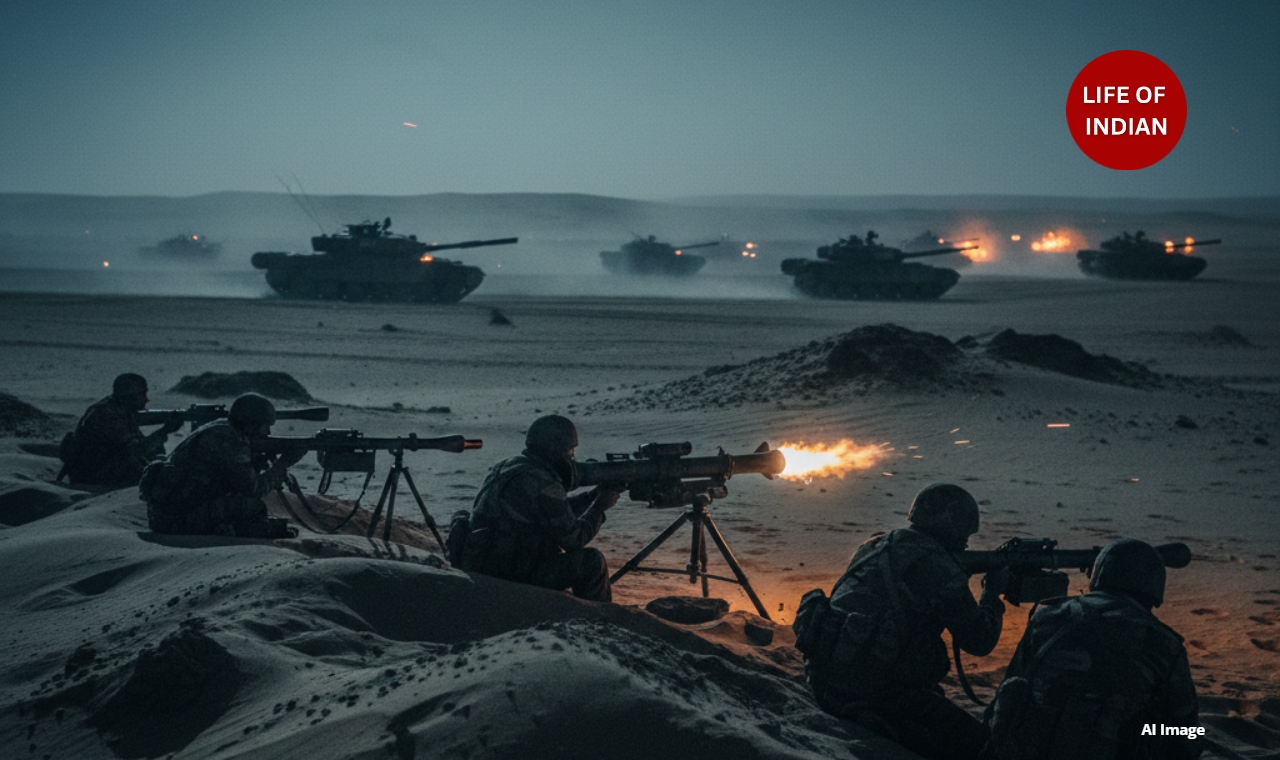
Throughout the night, Pakistani tanks attempted to advance, but the soft desert sand became their greatest enemy. Several tanks got stuck, turning into easy targets.
Using RPGs and anti-tank weapons with remarkable precision, Indian soldiers inflicted heavy damage. They knew that if they could hold out until morning, the balance of power would shift.
Amid gunfire, roaring tanks, and the haunting silence of the desert, one of the most legendary battles in Indian military history unfolded.
Dawn and the Turning Point
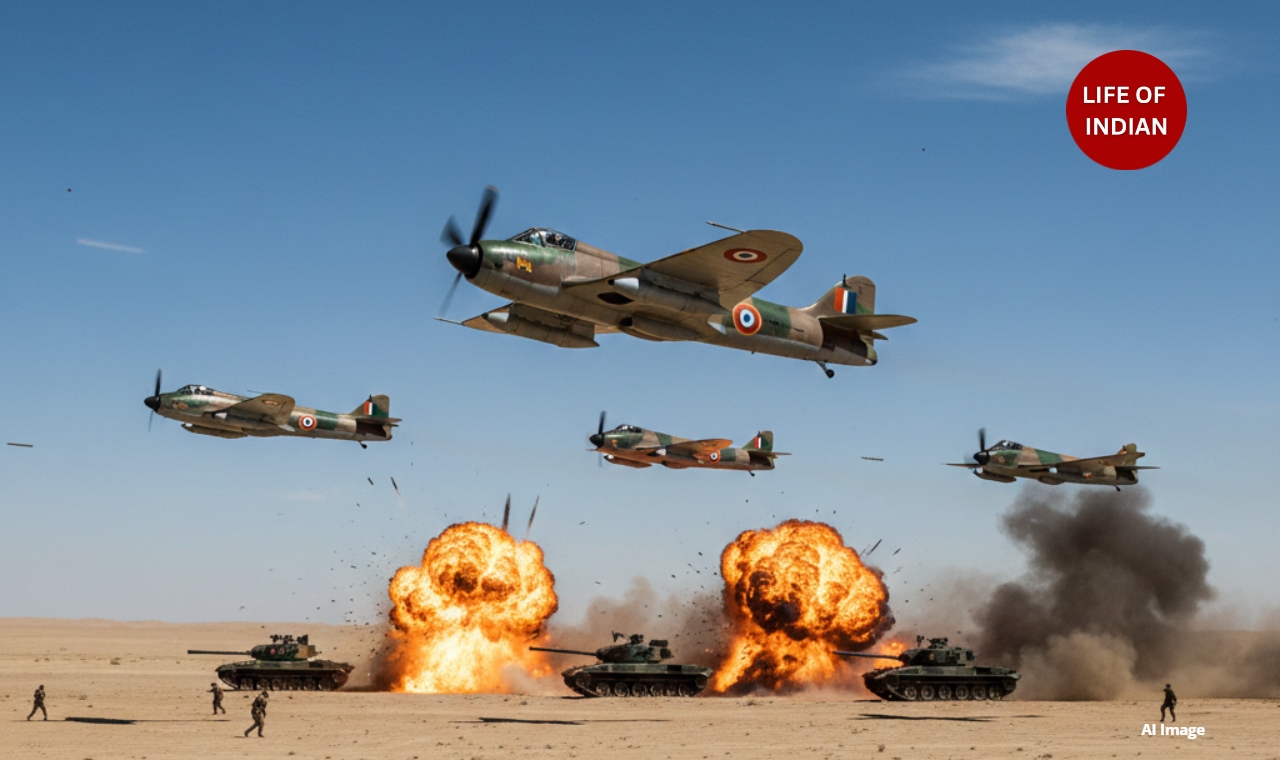
At daybreak on 5 December, the skies over Longewala filled with Indian Air Force Hunter aircraft. In the open desert, Pakistani tanks were now fully exposed.
The IAF’s precision air strikes devastated the enemy armour, destroying tank after tank.
Within hours, the tide of battle had completely turned.
Pakistan’s Defeat and India’s Victory
What Pakistan had expected to be a swift victory turned into a crippling defeat. Longewala remained firmly in Indian control, and Pakistan’s western offensive suffered a severe blow.
The victory at Longewala became one of the most symbolic and morale-boosting successes of the 1971 war.
Honouring Bravery and a Lasting Legacy
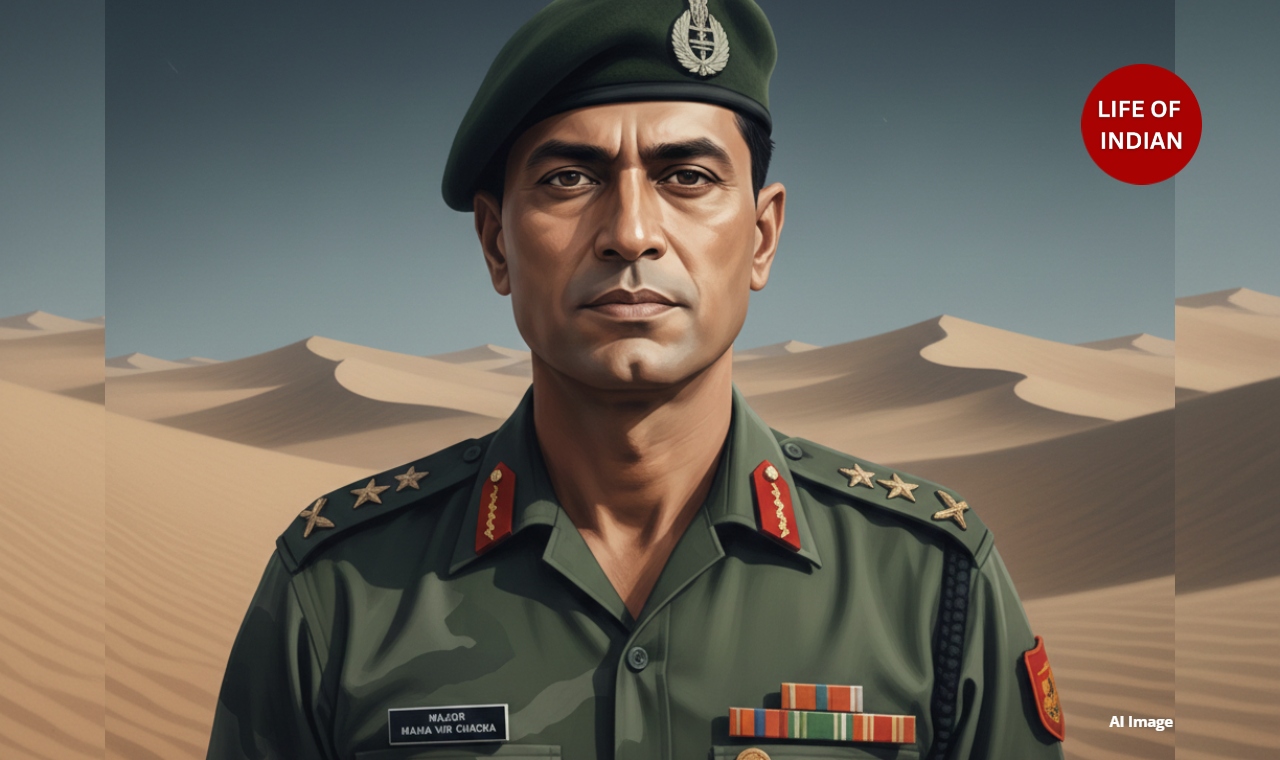
For his exceptional leadership and courage, Major Kuldip Singh Chandpuri was awarded the Maha Vir Chakra, India’s second-highest gallantry award.
The story of Longewala is still taught in Indian military academies as a classic example of leadership under extreme adversity.
The battle proved that:
-
Wars are not won by numbers alone
-
Clear decisions can change the course of history
-
The Indian Army stands firm even in the most difficult circumstances
Longewala: More Than a Battle, a Symbol of Inspiration
The Battle of Longewala was not just a military engagement. It became a symbol of confidence, leadership, and patriotism. While the film Border brought the story to the masses, the real battle was even more inspiring than cinema could capture.
Fought in the harsh sands of the Thar Desert, the Battle of Longewala reminds us that when the nation’s security is at stake, Indian soldiers turn the impossible into reality. Even today, Longewala stands tall among India’s greatest war stories — inspiring generations with lessons of courage, duty, and sacrifice.