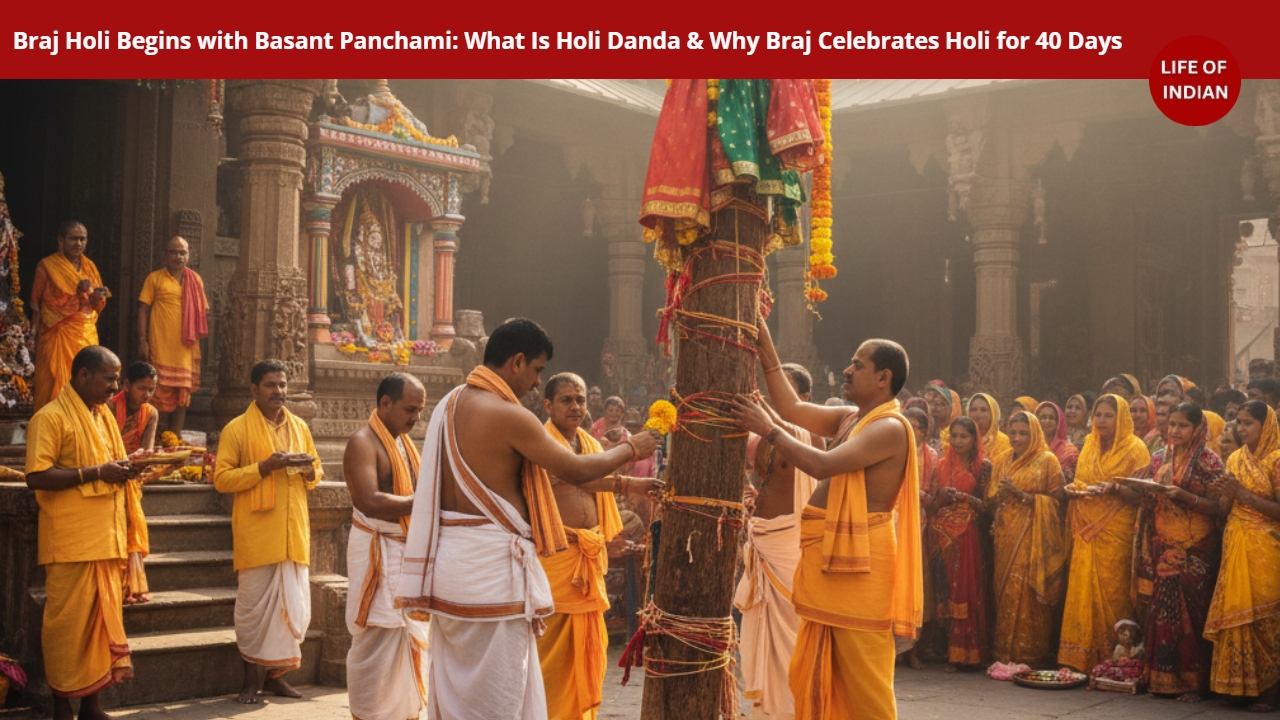
Braj Holi Begins with Basant Panchami: Basant Panchami not only marks the arrival of spring in North India but also signals the official beginning of Holi festivities in the sacred Braj region—the land associated with Lord Krishna’s early life and divine play (leela). In Braj, Holi is not a one-day event; it unfolds as a rich tapestry of colours, music, devotional songs, and unique cultural rituals that continues for about 40 days, starting right from Basant Panchami itself.
Why Holi Begins on Basant Panchami in Braj
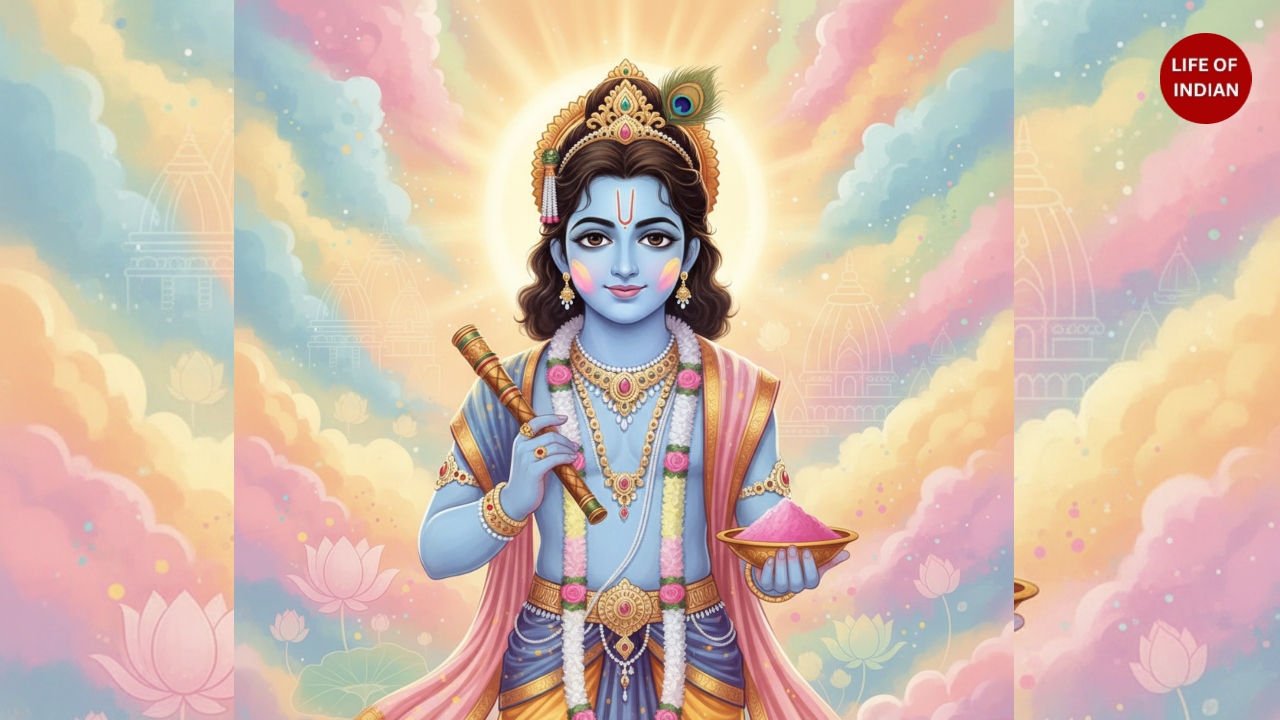
According to local tradition, the celebration of Holi in Braj starts with Basant Panchami, the festival that welcomes spring. On this day, temples, villages, and communities across the Braj region—especially in Mathura, Vrindavan, Barsana, Nandgaon, and Gokul—begin preparing for the joyous festival of colours. At many temples, including the famed Banke Bihari Temple in Vrindavan and the Ladli Ji Temple in Barsana, special rituals and colour offerings begin, and devotees throw gulal (coloured powder) in the spirit of the season.
The early start is rooted in both cultural sentiment and seasonal symbolism: Basant Panchami marks the coming of spring (Basant Ritu), a time of renewal and joy, which resonates deeply with the spirit of Holi as a celebration of life, devotion, and community.
The Braj Holi: A 40-Day Festival of Colours and Devotion
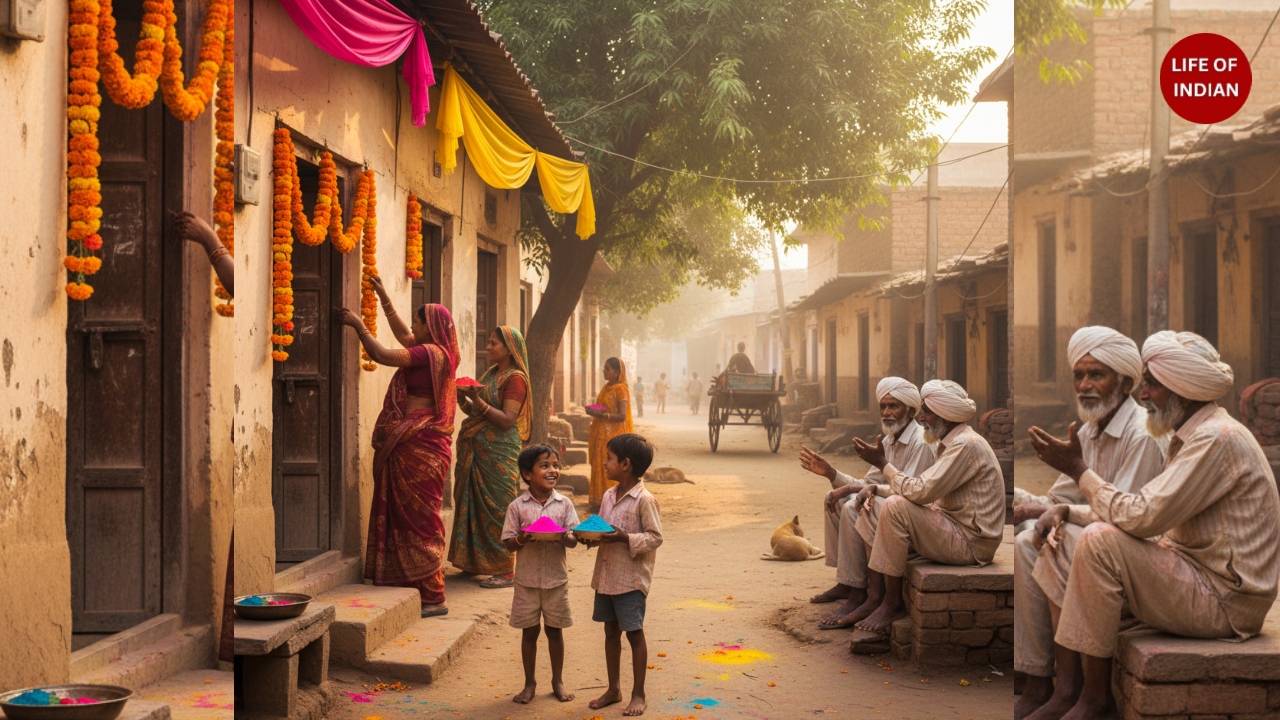
Unlike many other parts of India where Holi is traditionally observed as a two-day festival (Holika Dahan followed by Dhulandi), in Braj the festivity expands across many weeks, involving a sequence of celebrations, local rituals, and devotional ceremonies. Residents and pilgrims alike prepare long in advance, and visitors from around the country and the world flock to the region to witness its unique culture.
The Holi Danda Tradition
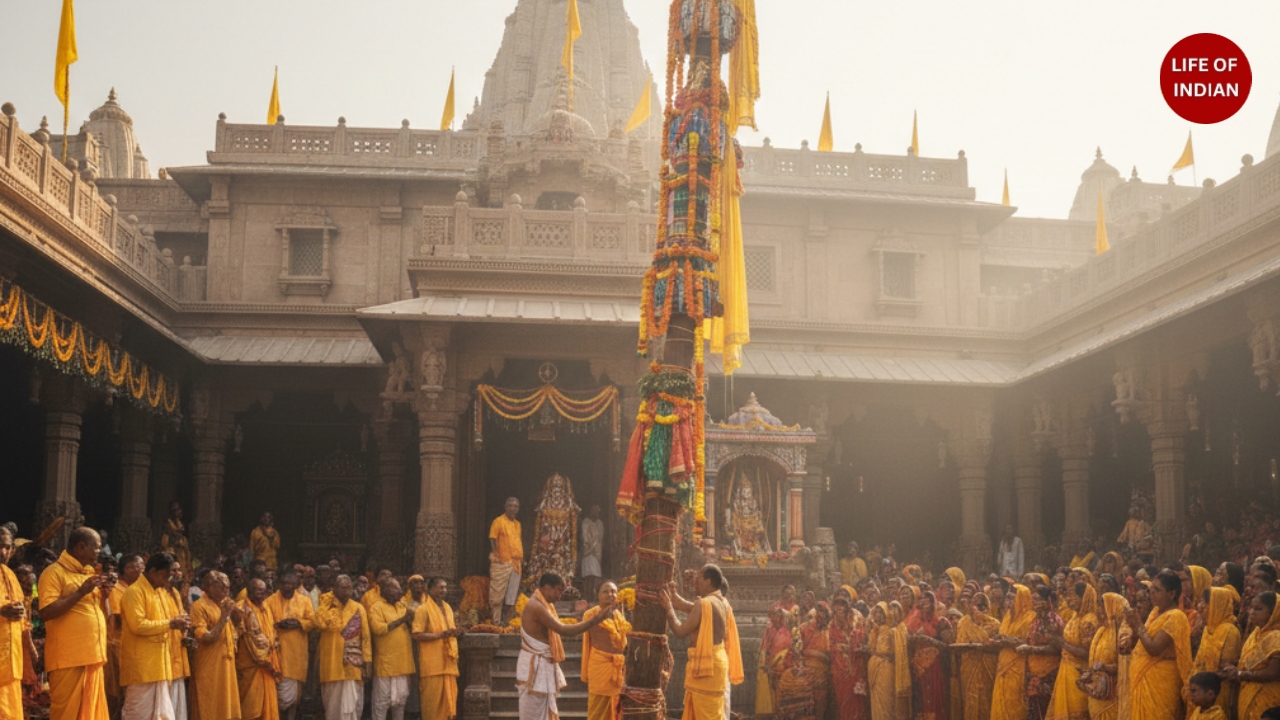
One of the most symbolic rituals that marks the formal inception of the Braj Holi season is the installation of the Holi Danda on Basant Panchami. The term Danda here refers to a decorated ceremonial staff or pole that is erected at designated places such as temple courtyards or community spots. This Holi Danda serves as a cultural marker and signal that the period of Holi festivities has begun, much like ringing in the new season.
At temples such as the Shriji Ladli Ji Mandir in Barsana, the Holi Danda is planted with much fanfare. In local folklore, this tradition signifies community unity and prepares everyone—young and old—to engage in the joyous days to come, where devotion blends with celebration, and Krishna’s divine pastimes are celebrated through song, colour, and ritual.
Unique Celebrations Inside the 40 Days
Throughout this extended festival period, different forms of Holi are celebrated in various villages and towns:
-
Lathmar Holi in Barsana and Nandgaon: Women playfully chase and strike men with lathis (sticks) while men shield themselves—an enactment linked to the playful love of Radha and Krishna.
-
Phoolon Ki Holi in Vrindavan: Devotees throw flowers instead of colours inside temple courtyards, creating a beautiful floral Holi.
-
Rangbharni Ekadashi & Rangwali Holi: Decorative ceremonial throwing of colours that involves joyful chanting and singing.
-
Other local customs, including devotional songs (such as Hori folk music), dance, and community feasts, deepen the cultural immersion.
Throughout this extended period, both devotional expression and pure playful fun coexist, guided by traditions that trace back centuries in the Braj soil.
Cultural and Spiritual Significance
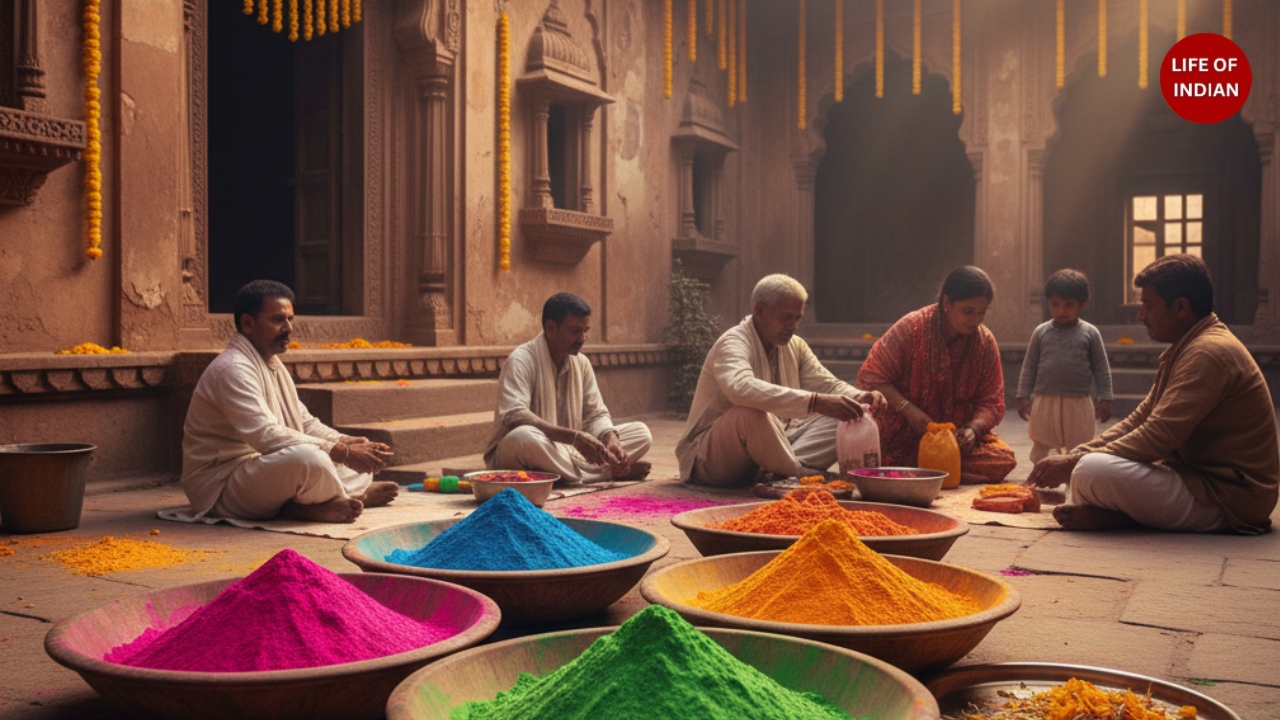
In Braj, Holi is more than just a festival of colours—it is a festival of divine love and restoration. In the oldest legends associated with Holi, Lord Krishna celebrated with his friends and beloved Radha, playing pranks with colours and laughter. The Braj Holi traditions honor these narratives through rituals, reenactments, and community rituals that emphasize joyful devotion (bhakti) and cultural continuity.
The Braj Holi festival is one of the most unique and longstanding cultural festivities in India. What begins on Basant Panchami with the installation of the Holi Danda soon blossoms into weeks of colourful celebrations filled with folklore, devotion, and spirited community participation. For pilgrims and culture enthusiasts alike, this 40-day celebration is a living heritage that continues to delight and inspire.
Disclaimer
This article is based on information collected from verified cultural sources and traditional reports. Details about Braj Holi customs, rituals, and timings may vary by locality and yearly calendars. This content is intended for general informational purposes only and does not constitute religious or legal advice.