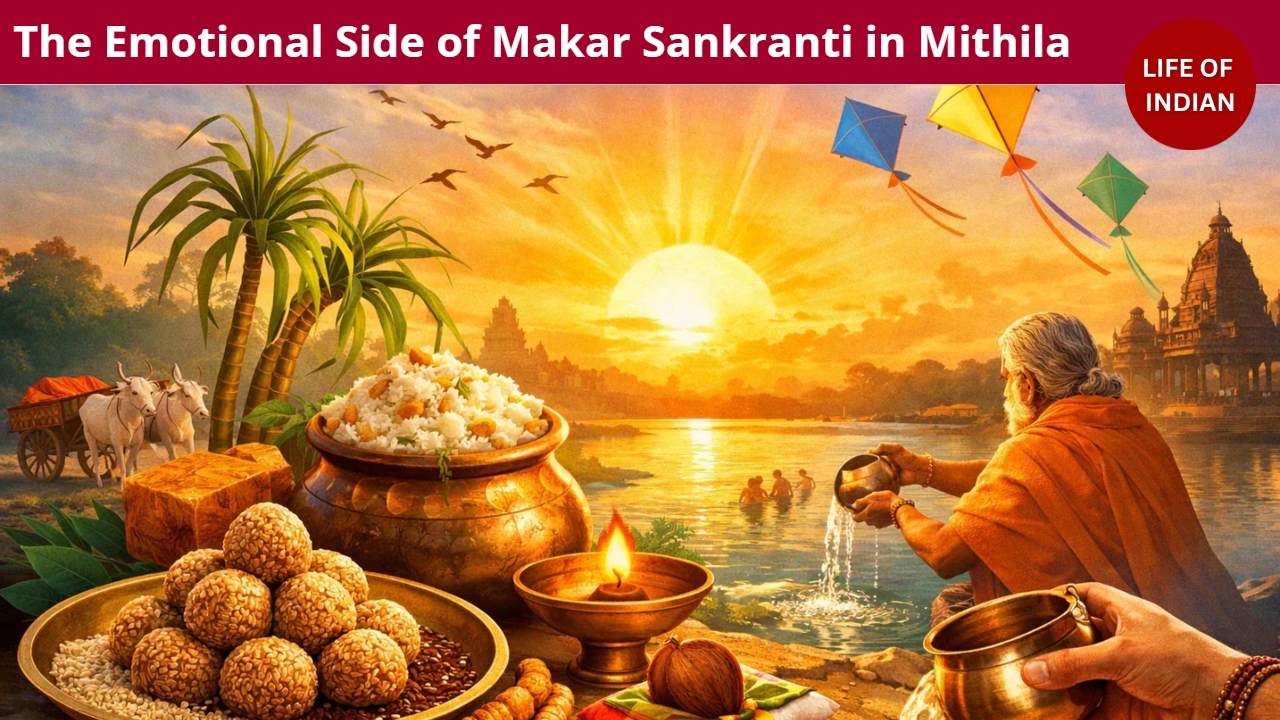
Makar Sankranti in Mithila: Makar Sankranti is celebrated across India as a festival of harvest, solar transition, and spiritual renewal. However, in the Mithila region of Bihar, the festival takes on a deeply emotional and culturally rich form known as Tila Sankarayat. Rooted in centuries-old traditions, this celebration reflects not only devotion and gratitude but also strong family bonds, maternal blessings, and social values passed down through generations.
Unlike many other regions where the festival is marked primarily by kite flying or river rituals, Mithila’s Makar Sankranti blends food, faith, and feelings in a way that is both unique and profound.
Why Makar Sankranti Is Called Tila Sankarayat in Mithila
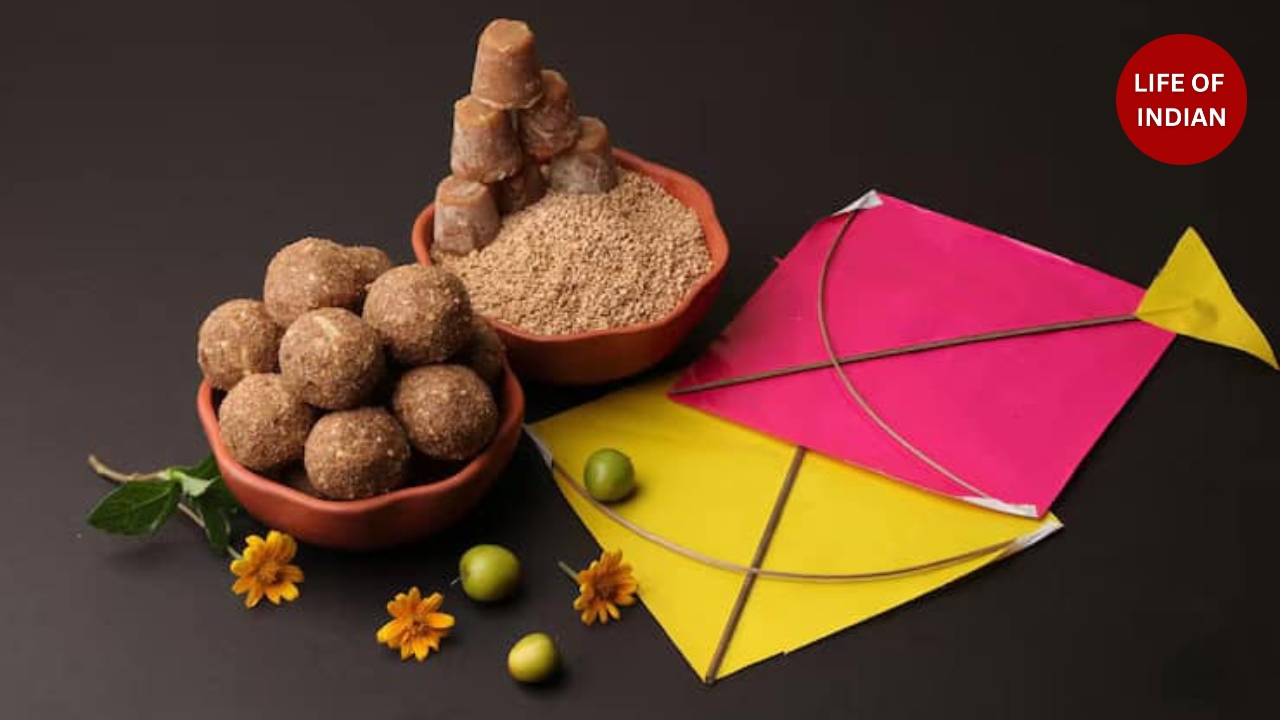
In Mithila, sesame seeds (til) play a central role in Sankranti rituals, which is why the festival is locally known as Tila Sankarayat. Sesame is considered sacred in Hindu traditions and is closely associated with Lord Vishnu. According to belief, sesame symbolises endurance, struggle, and spiritual strength—qualities essential for leading a righteous life.
The use of til in almost every ritual dish and offering during Sankranti highlights its importance in Mithila’s religious and cultural philosophy.
Preparations Begin Four Days in Advance
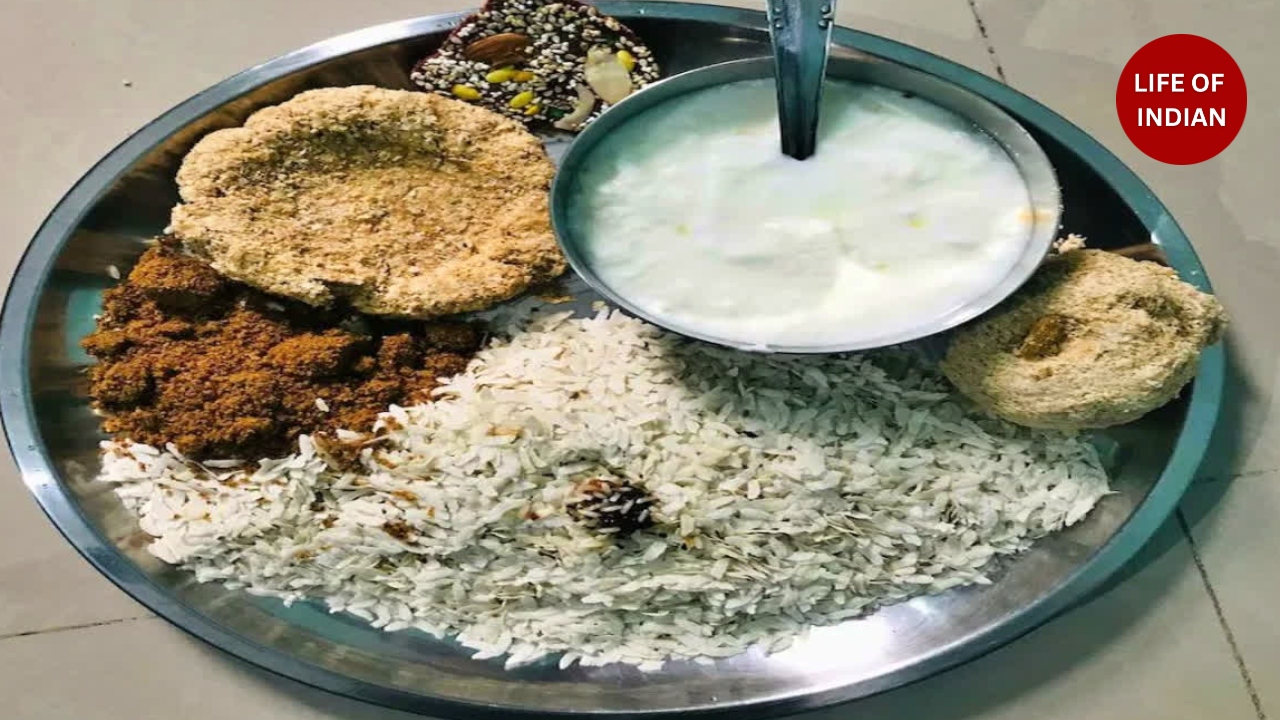
One of the most distinctive aspects of Mithila’s Makar Sankranti is the early preparation. The festivities begin four days before Sankranti, when families start preparing traditional foods such as:
-
Chuda (flattened rice)
-
Curd
-
Lai (puffed rice sweets)
-
Tilwa
-
Tilkut (sesame and jaggery sweet)
These food items are not only meant for the household but are also sent to married daughters and close relatives, symbolising care, continuity, and emotional connection between families. This tradition strengthens marital and parental bonds, ensuring that daughters remain connected to their maternal homes even after marriage.
The Ritual of Ghura and the Sacred Morning Bath
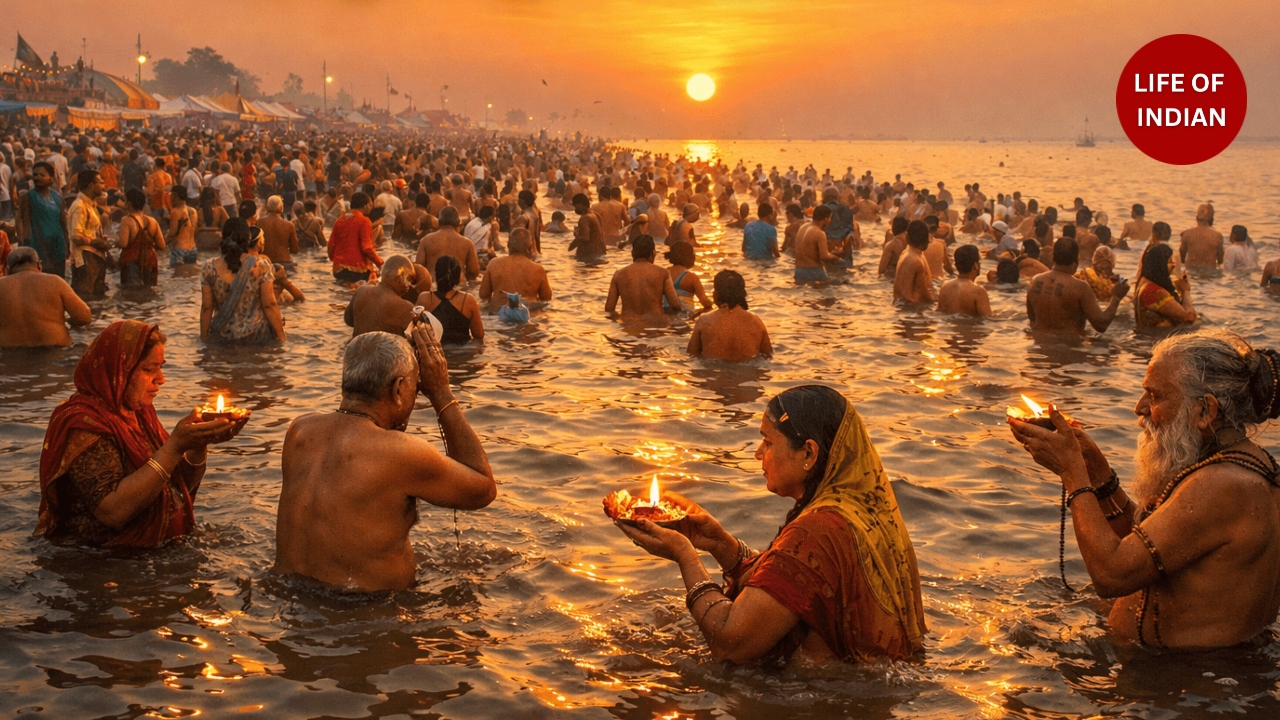
On the night before Sankranti, families prepare a ghura—a small fire arrangement made using straw and agricultural residue. This fire serves both practical and ritual purposes, helping people warm themselves after the traditional early morning bath taken in the intense winter cold.
Elders of the family wake up before sunrise and take the first bath, often in rivers, ponds, or public water sources. Afterward, they encourage younger family members to follow the ritual. For children, families often use hand pumps or warm water, adapting tradition with care and practicality.
Bathing on Makar Sankranti is believed to purify the body and soul and mark the beginning of a spiritually auspicious phase known as Uttarayan.
Tilkat Bharna: A Mother’s Emotional Blessing
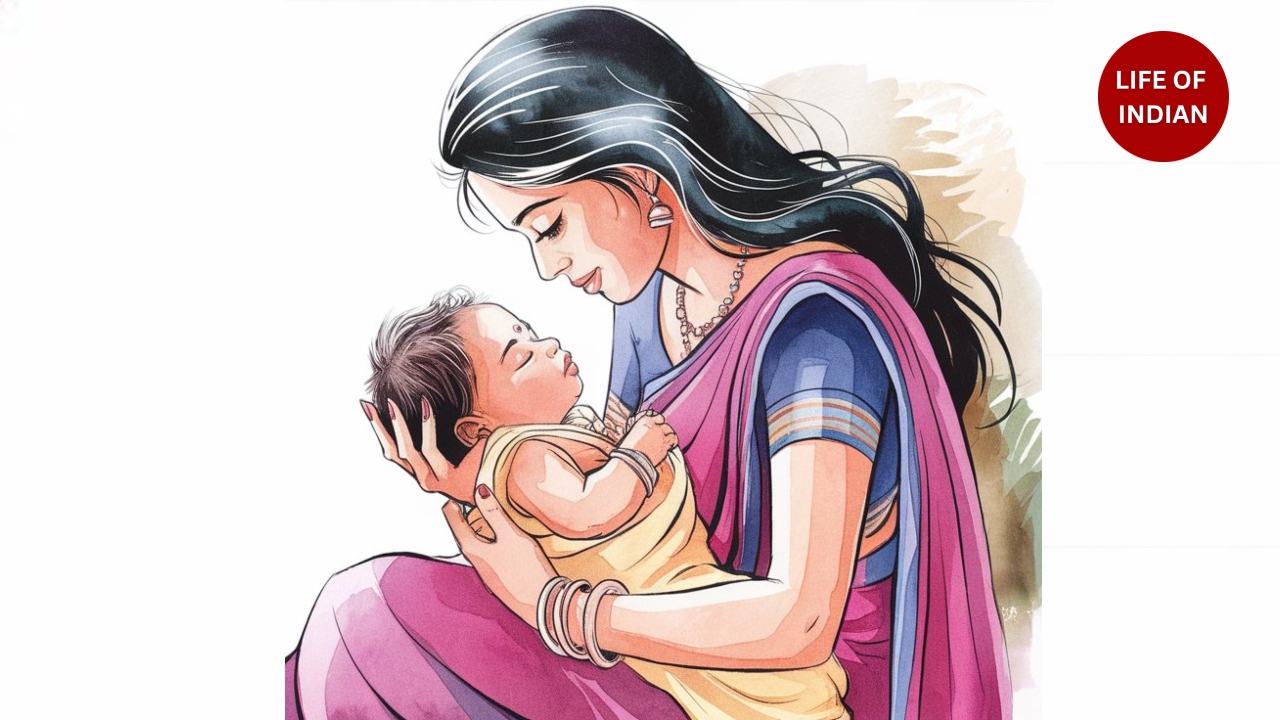
Perhaps the most touching ritual of Mithila’s Sankranti is Tilkat Bharna. After bathing, elders—especially mothers—feed children and younger family members a mixture of sesame seeds, jaggery, and rice.
This ritual carries deep emotional meaning. It symbolises a mother’s heartfelt wish that her children:
-
Stay united as a family
-
Respect traditions
-
Support one another in difficult times
According to cultural belief, this act represents a mother’s final blessing—an assurance that even in her absence, her values and love will continue to guide her children.
Spiritual Meaning of Sesame in Mithila Tradition
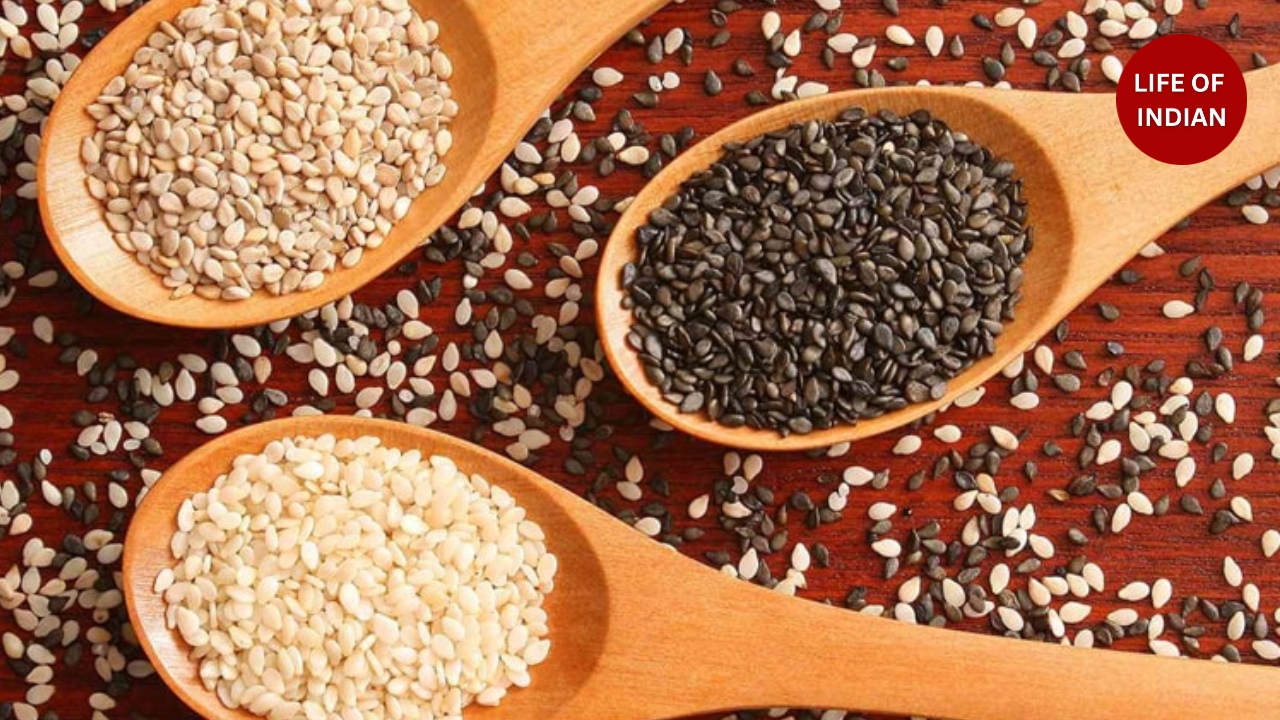
Speaking on the cultural roots of this ritual, Jyotishacharya Dr. Raj Nath Jha, Director of Jyotish Vyaag Vigyan Sansthan, explained that sesame has been an essential part of Mithila’s Sankranti traditions for hundreds of years.
He notes that sesame undergoes intense processing before becoming edible, which symbolises life’s struggles. By feeding sesame-based foods, elders teach younger generations not to panic during hardships but to face challenges with patience and resilience.
Sesame is also considered dear to Lord Vishnu, making it spiritually powerful and auspicious.
Tusari Puja: A Sacred Ritual for Unmarried Daughters
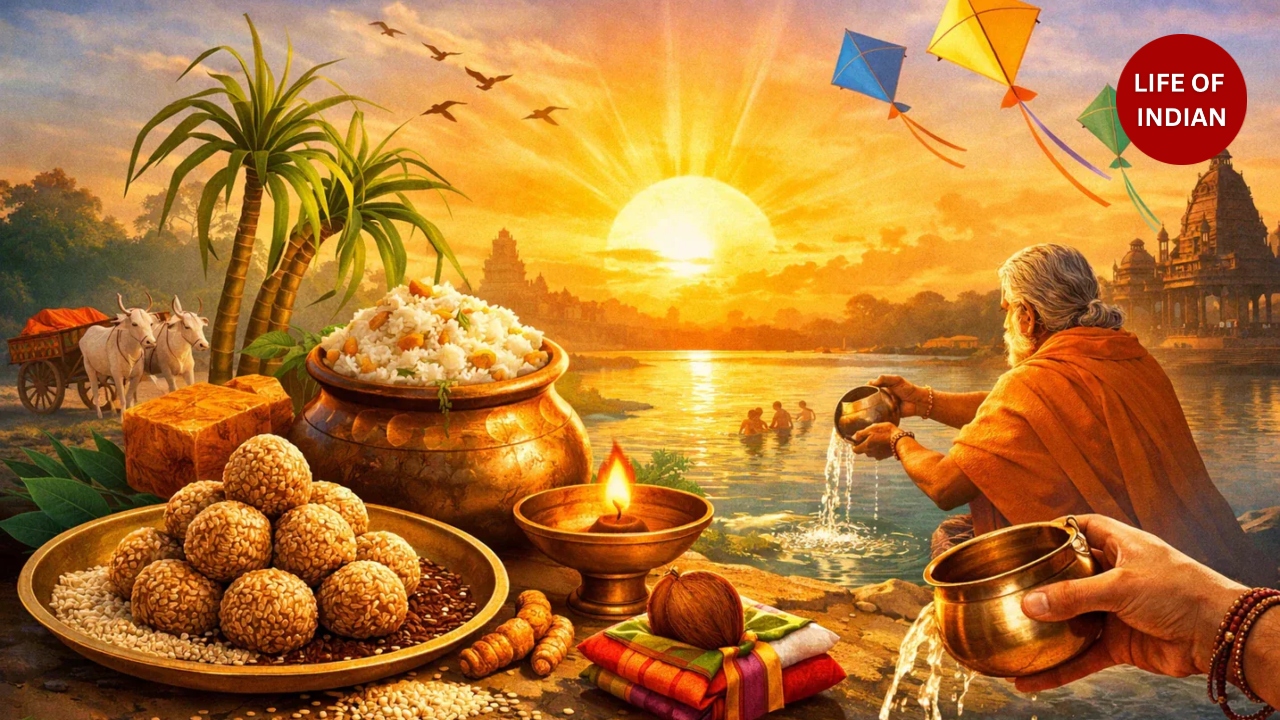
Another unique tradition observed during Makar Sankranti in Mithila is Tusari Puja, which is performed for unmarried daughters. This special worship begins on Sankranti and continues until Kumbh Sankranti.
During Tusari Puja, young girls worship Goddess Gauri, seeking blessings for:
-
A virtuous life partner
-
Marital happiness
-
Emotional strength and purity
This ritual highlights Mithila’s emphasis on womanhood, dignity, and spiritual preparation for future responsibilities.
A Festival That Preserves Family and Culture
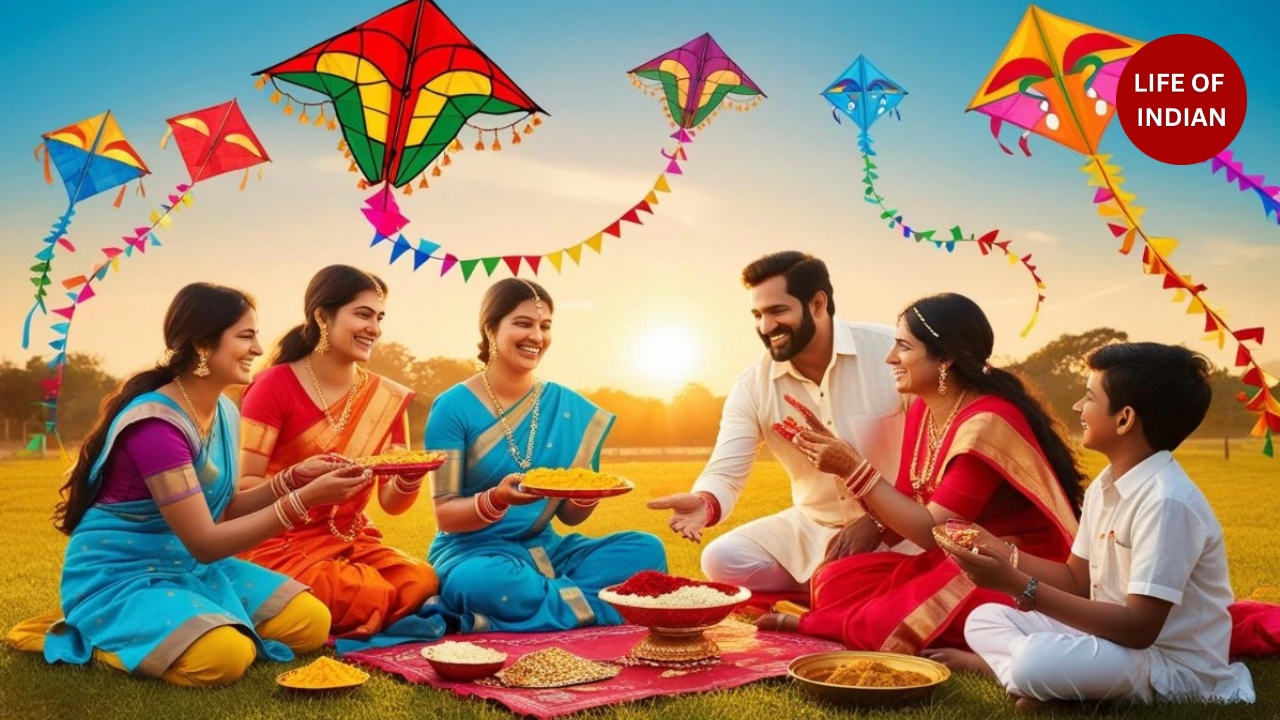
Makar Sankranti in Mithila is not merely a harvest festival—it is a celebration of relationships, resilience, and remembrance. From sending food to daughters to mothers blessing their children through Tilkat Bharna, every ritual reinforces unity and continuity.
In a rapidly modernising world, these traditions stand as living reminders of India’s rich cultural diversity and the emotional depth embedded in regional festivals.
Tila Sankarayat in Mithila reflects the soul of Indian tradition—where food becomes prayer, rituals become emotions, and festivals become lessons for life. Makar Sankranti here is not just about the Sun’s movement but about human bonds, maternal love, and the strength to endure life’s challenges together.