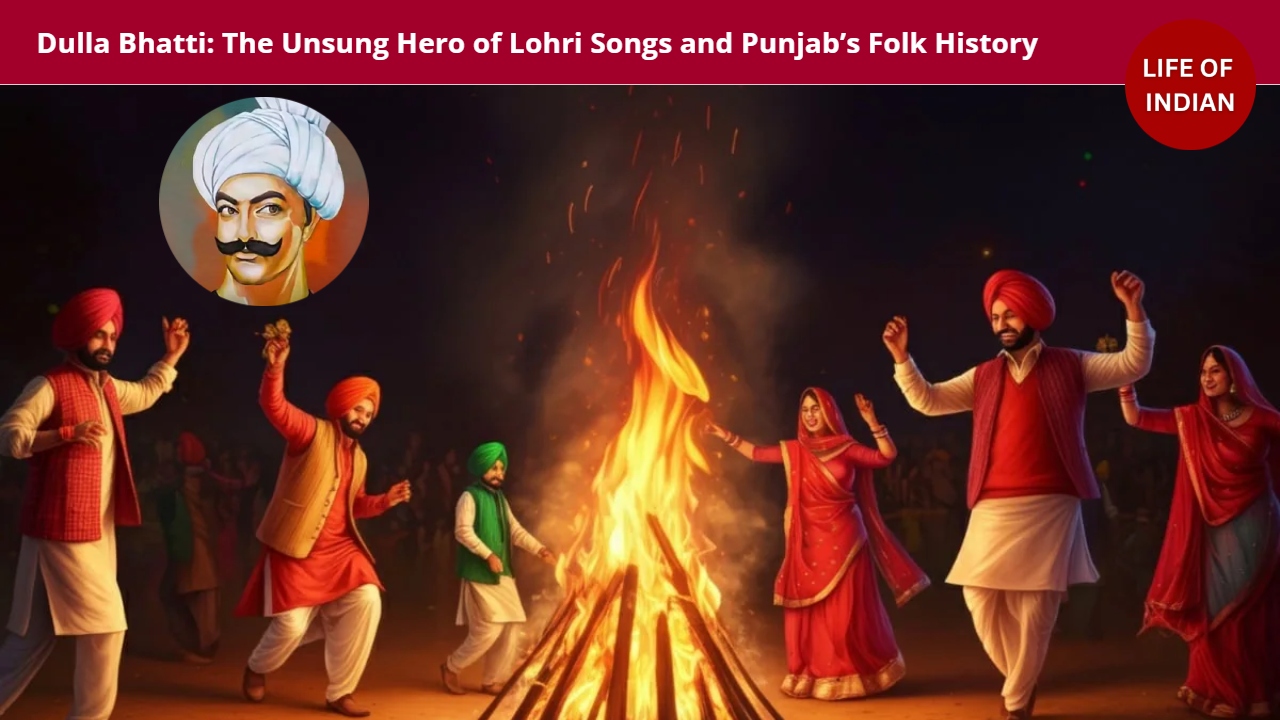
Dulla Bhatti: Every winter, as Lohri bonfires light up the night skies of Punjab, voices rise together in folk songs that carry a name many sing but few truly understand — Dulla Bhatti. For generations, Lohri celebrations have echoed with verses remembering Dulla Bhatti, a man who never ruled an empire, wrote no books, and left behind no palace — yet earned an immortal place in the cultural soul of Punjab.
Who was Dulla Bhatti? Why is his name sung during Lohri? And what powerful story lies behind this tradition? His life blends resistance, compassion, and social justice — values that transformed him into a folk legend remembered through song rather than stone.
Who Was Dulla Bhatti?
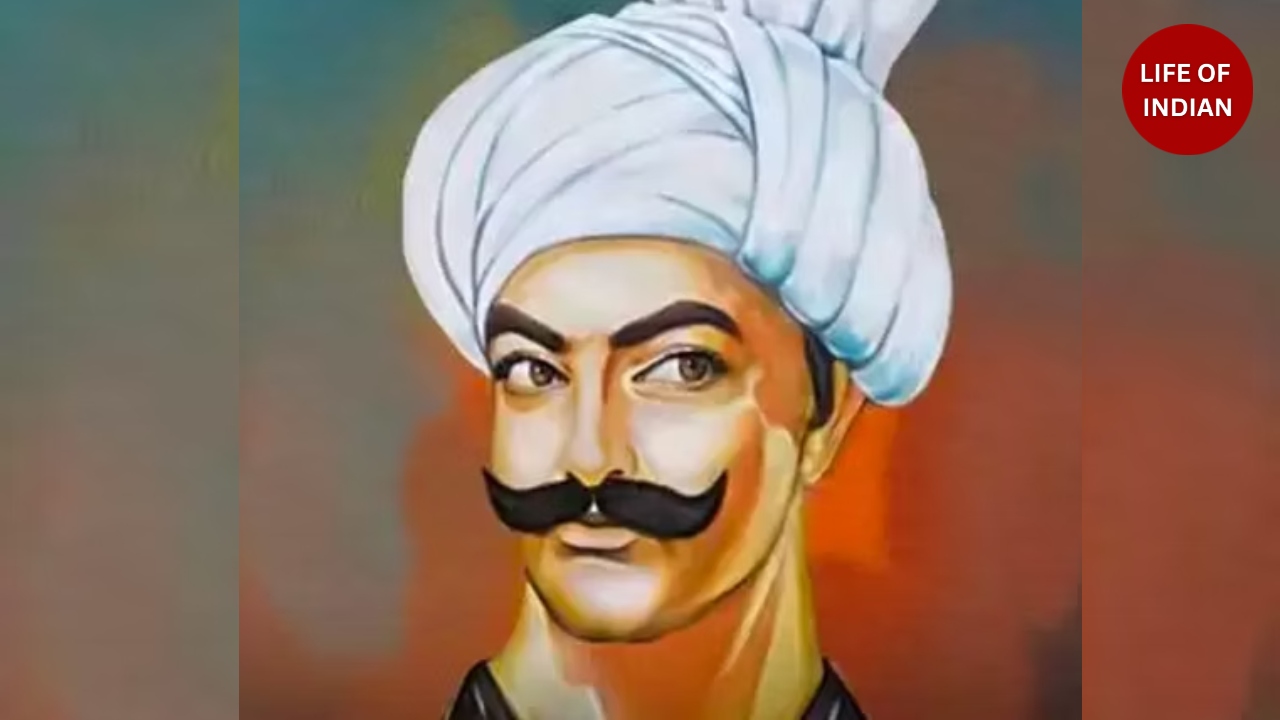
Dulla Bhatti was a Punjabi folk hero who lived during the reign of Mughal Emperor Akbar in the late 16th century. Born into a Rajput family in the Sandal Bar region (present-day Punjab), Dulla Bhatti’s life was shaped by rebellion from the very beginning. His father and grandfather were executed by the Mughal administration for opposing unjust taxation and imperial authority.
Instead of bowing to power, Dulla Bhatti chose resistance.
He became a local rebel who openly defied Mughal officials, refusing to pay heavy land taxes and standing against the exploitation of farmers and common people. Over time, he emerged as a protector of the poor — especially peasants, women, and marginalized families.
A Rebel With a Human Heart
Unlike ordinary rebels driven by power, Dulla Bhatti followed a moral code rooted in compassion. Folk legends describe him as a Punjabi “Robin Hood” — a man who robbed corrupt officials and helped those crushed under unfair systems.
But what truly set Dulla Bhatti apart was his stand for women’s dignity.
At a time when many young girls were abducted, sold, or forcibly married by invaders and local elites, Dulla Bhatti intervened. He rescued orphaned and abandoned girls and took responsibility for their safety and future.
The Story of Sundri and Mundri
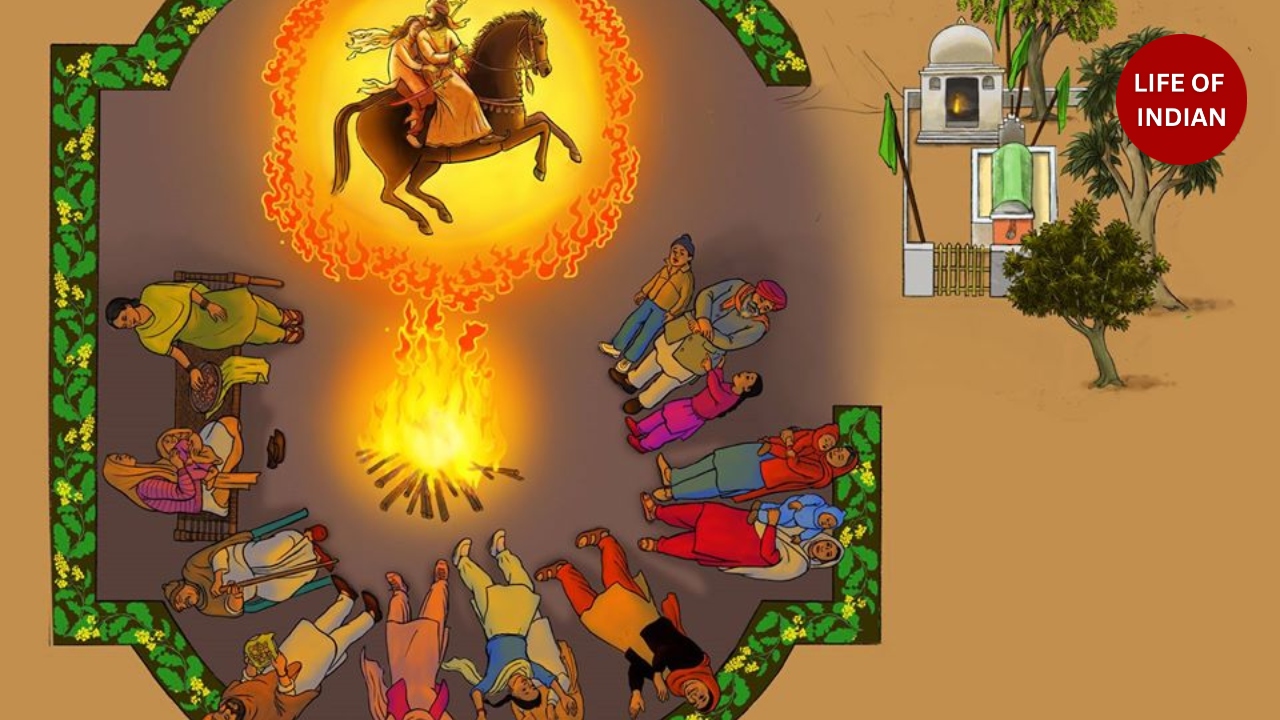
The most famous legend associated with Dulla Bhatti is that of Sundri and Mundri, two orphaned sisters from a poor family.
According to folklore, the girls were at risk of being sold or dishonoured. Dulla Bhatti took them under his protection, arranged their marriages, and performed the role of a father — something unheard of in that era. With no dowry to offer, he gave them shagun (blessings) by lighting a fire and distributing sweets.
This symbolic act became the emotional foundation of Lohri.
Even today, Lohri songs mention Sundri and Mundri, keeping alive the memory of a man who stood up for dignity when society looked away.
Why Is Dulla Bhatti Remembered in Lohri Songs?
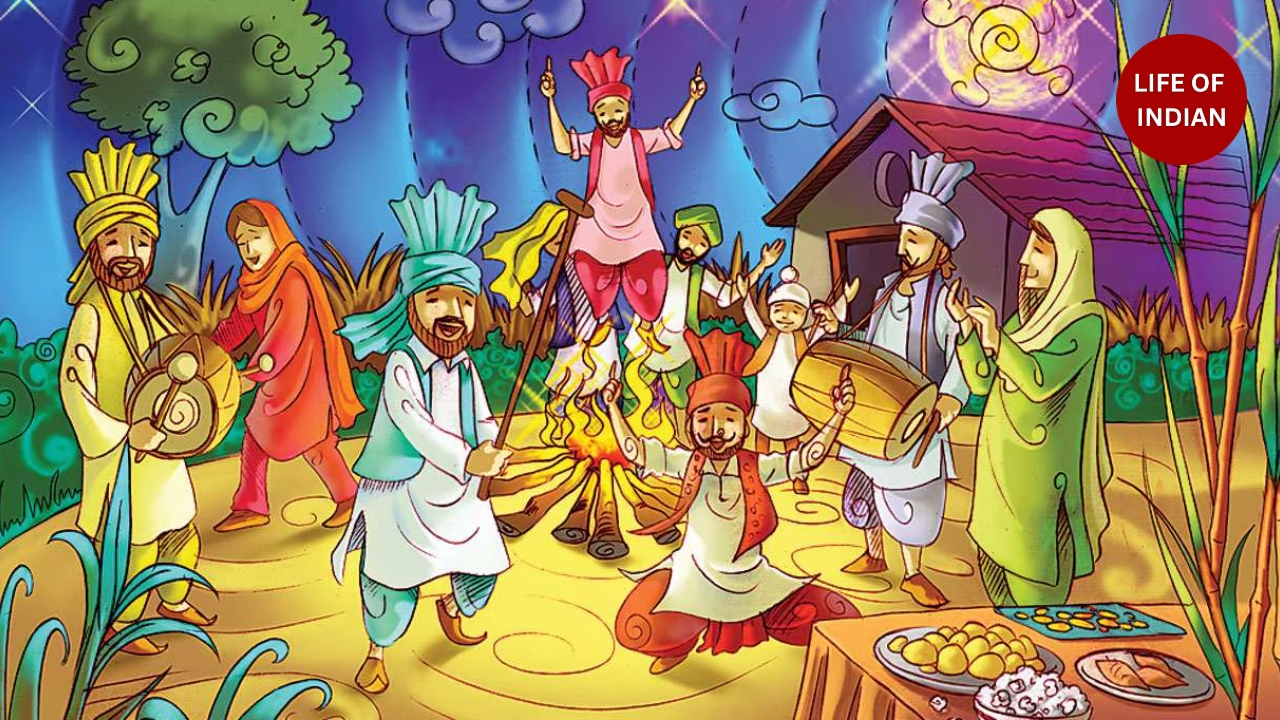
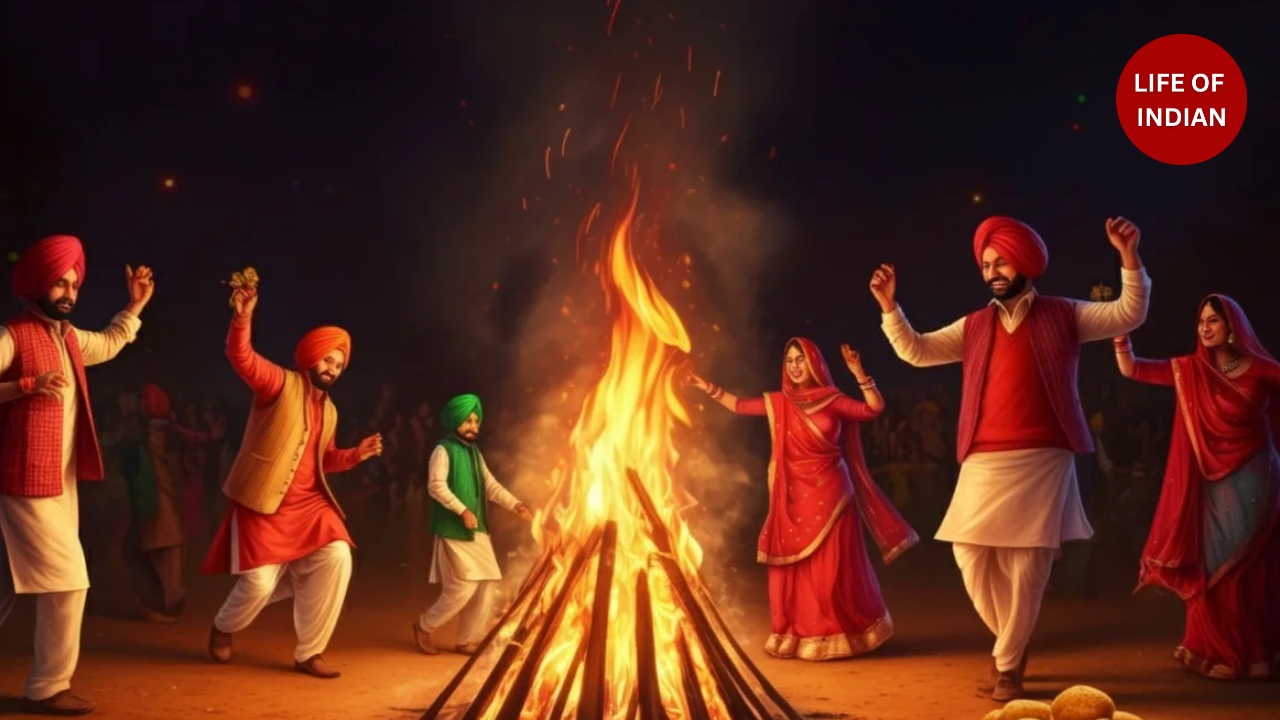
Lohri is not just a harvest festival — it is a celebration of community, warmth, generosity, and social bonding. Dulla Bhatti embodied all these values.
People sing about him during Lohri because:
-
He protected the weak when authority failed
-
He stood against injustice and exploitation
-
He treated orphaned girls as his own daughters
-
He upheld honour, not wealth or power
Punjabi folk culture has long preserved history through oral traditions. While empires fade, songs survive — and Dulla Bhatti survives through Lohri’s rhythm and fire.
Symbol of Resistance Against Injustice
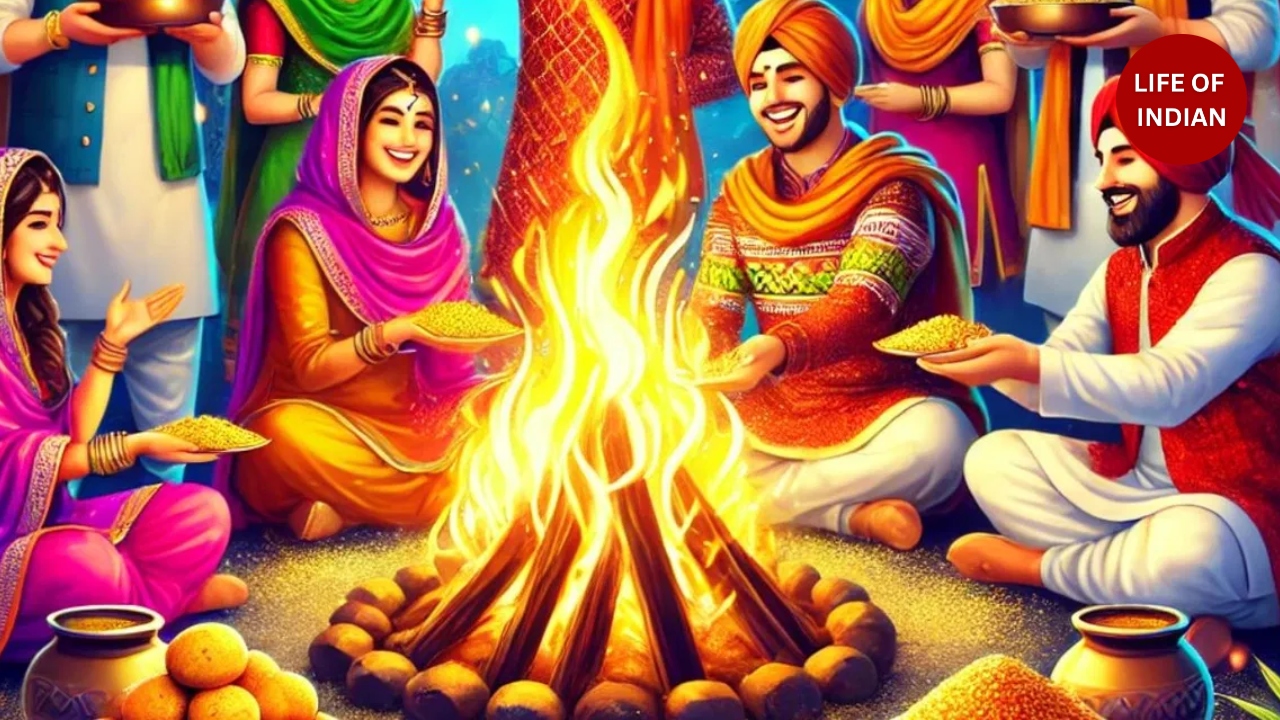
Dulla Bhatti’s rebellion was not political ambition; it was moral defiance. He rejected Akbar’s authority openly, an act that eventually led to his capture and execution. Yet, death did not silence him.
In Punjabi memory, Dulla Bhatti became a symbol:
-
Of standing up to oppressive systems
-
Of protecting women’s honour
-
Of choosing humanity over fear
That is why he is remembered not in official records, but in the hearts of people.
Dulla Bhatti and the Bonfire Connection
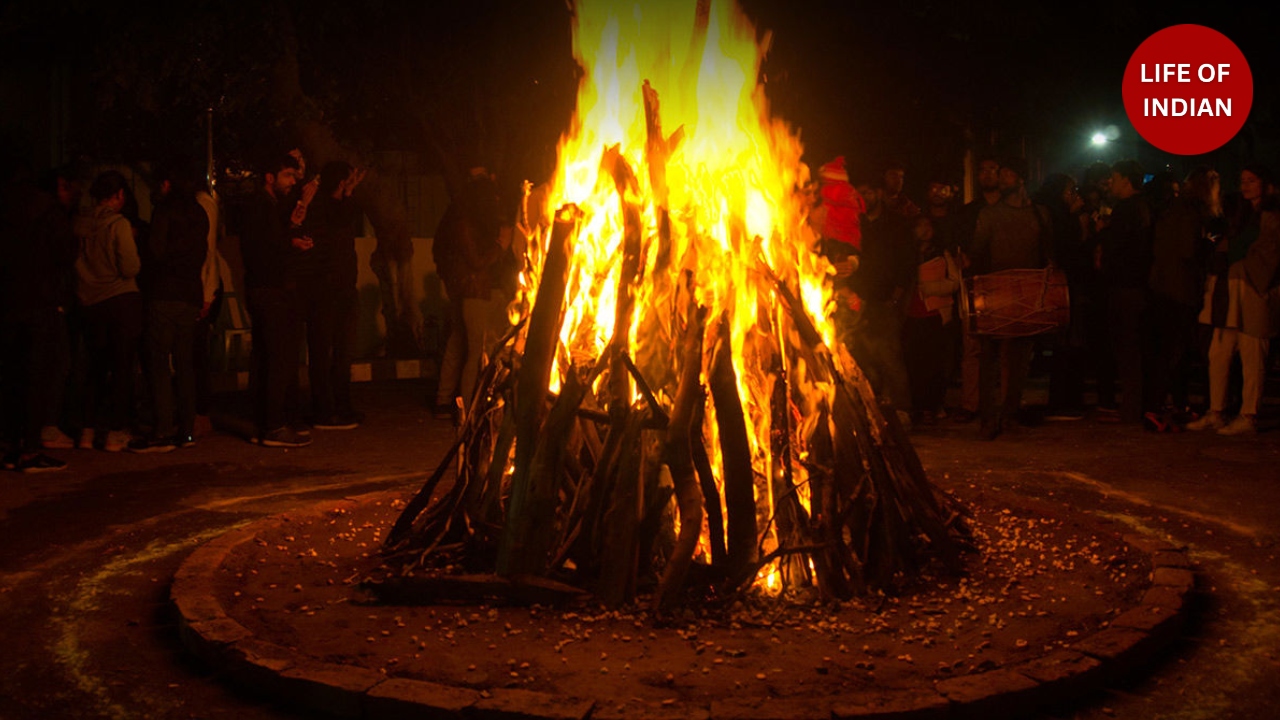
The Lohri bonfire represents warmth, protection, and collective strength — the same qualities Dulla Bhatti stood for. Just as fire shields against winter’s cold, Dulla Bhatti shielded society from cruelty and injustice.
Offering peanuts, jaggery, and sweets to the fire mirrors his generosity and his role as a giver rather than a ruler.
Folk Hero vs Historical Silence
Mainstream history often focuses on kings and conquerors. Dulla Bhatti, who challenged power instead of wielding it, found no place in royal chronicles. Folk songs became his history books.
Each Lohri song is an act of remembrance — a way for ordinary people to honour someone who fought for them, not over them.
Why Dulla Bhatti Still Matters Today
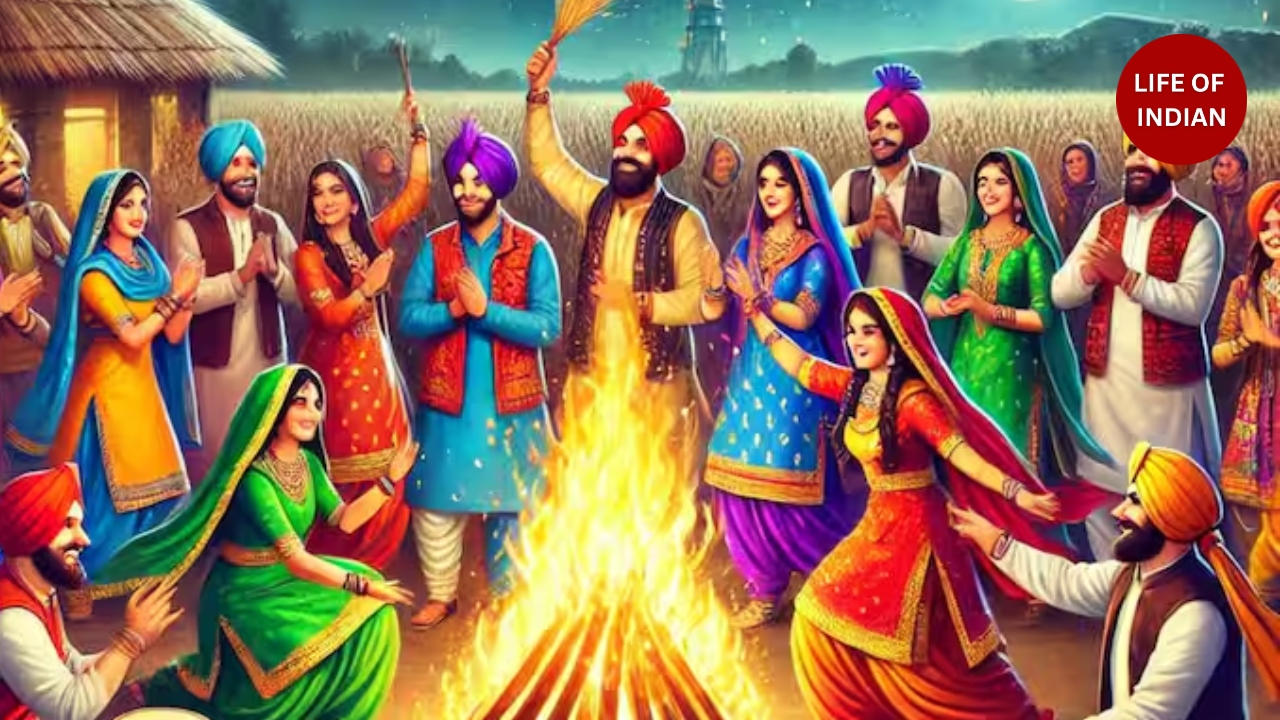
In a world where injustice, inequality, and exploitation still exist, Dulla Bhatti’s story feels timeless. He reminds us that:
-
True heroism lies in protecting others
-
Social change begins with moral courage
-
Not all legends wear crowns
Every time Lohri songs echo his name, they remind society of values worth preserving.
A Hero Lit by Fire and Song
Dulla Bhatti did not leave behind monuments — he left behind meaning. His legacy burns quietly in every Lohri bonfire, lives softly in every folk verse, and survives strongly in collective memory.
That is why, centuries later, when winter nights grow cold and fires are lit, Punjab still calls out his name — not as a ruler, but as a protector, a rebel, and a reminder of humanity.