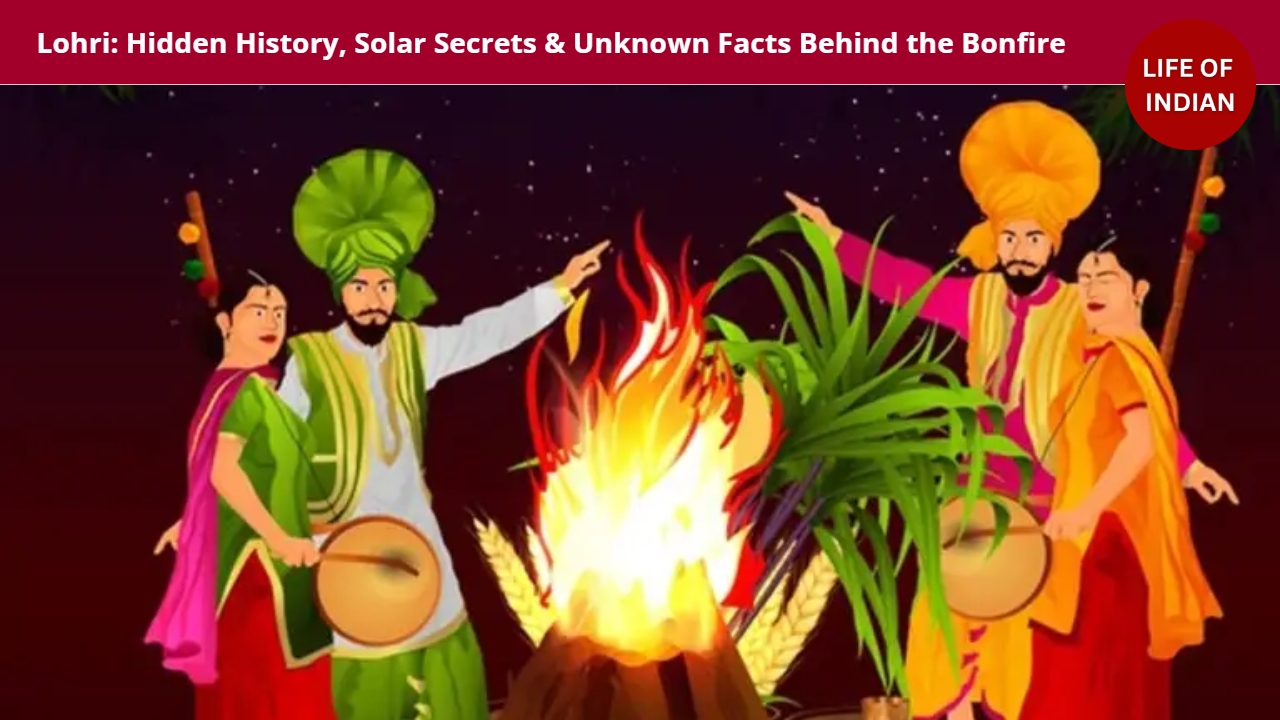
Lohri Festival Explained: Every January, bonfires blaze across North India as people gather to celebrate Lohri—a vibrant winter festival filled with music, dance, sesame sweets and warmth. Most people associate Lohri with bonfire gatherings, dhol beats, rewari, and girgit dances, but its roots go much deeper than just cultural fun. In fact, Lohri is a festival rich with ancient symbolism, solar significance, agricultural meaning, and cultural history that many do not know.
In this article, we explore what Lohri really means, how it originated, its spiritual and scientific connections, and fascinating facts that few people talk about.
What Is Lohri?
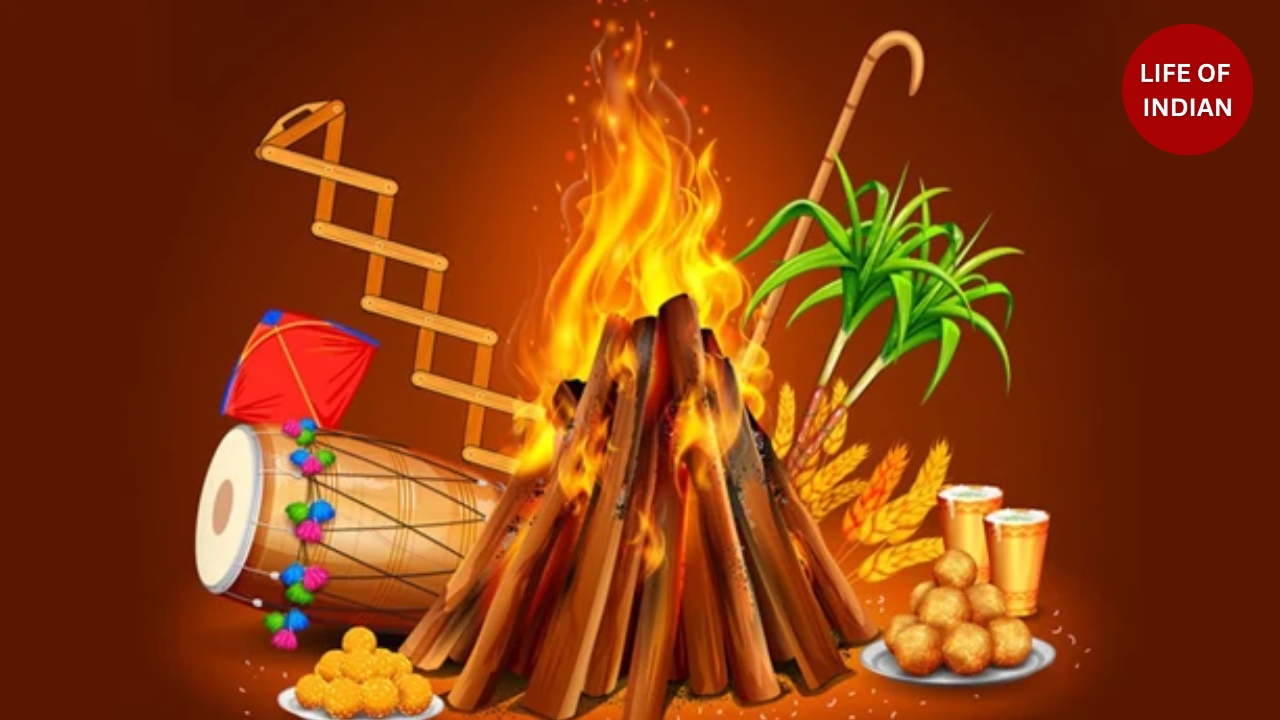
Lohri is a traditional Punjabi festival mainly celebrated in northern India, especially in Punjab, Haryana, Himachal Pradesh, and Western Uttar Pradesh. It falls on January 13 every year, marking the end of winter and the beginning of longer days. Families gather around bonfires, throw in sesame seeds, jaggery, and popcorn, and sing folk songs to welcome warmth, fertility, and prosperity.
The Solar Connection: More Than Just a Winter Festival
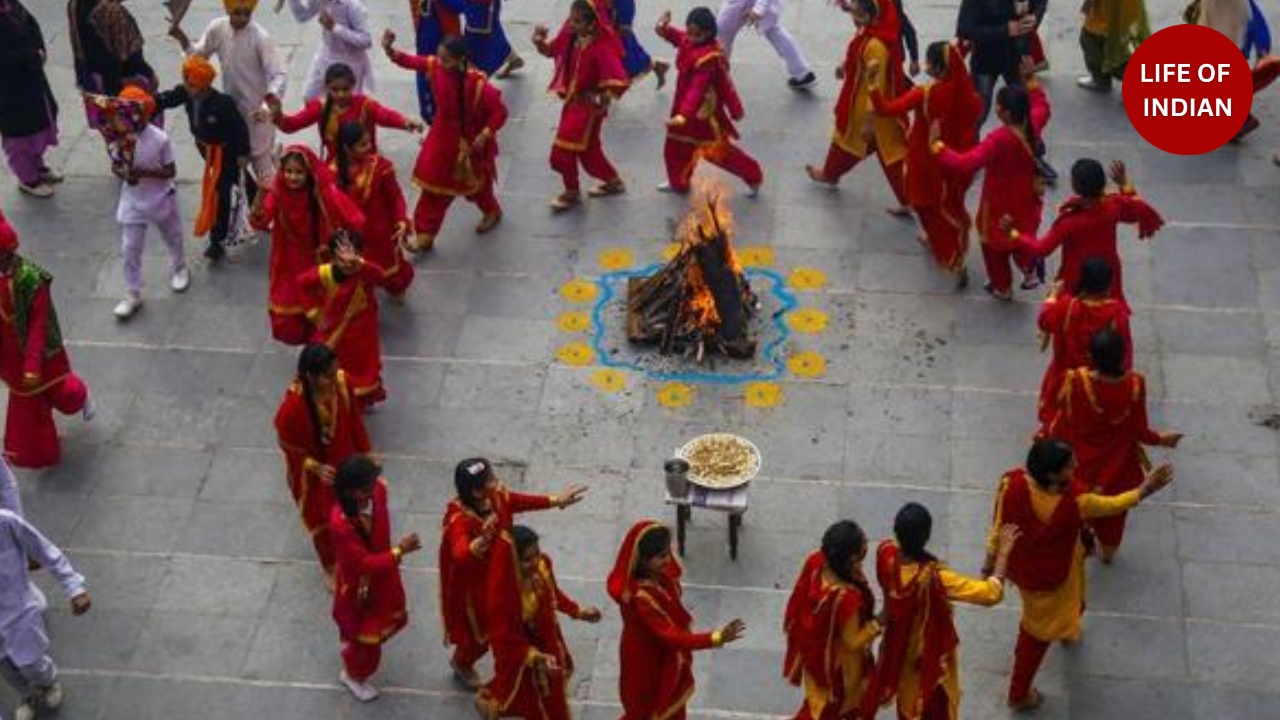
One of the least understood but most significant aspects of Lohri is its connection to solar movement. After Lohri, the days start getting longer, which means the sun begins its northward journey—a period known as Uttarayana in Hindu tradition.
This transition has been observed for thousands of years in India and is believed to represent:
-
The victory of light over darkness
-
Renewed energy and vitality
-
The onset of warmer days after harsh winter
So, while Lohri appears as a regional festival of bonfires and songs, it fundamentally celebrates the sun’s return—a cosmic event recognised in ancient Indian calendars long before modern science.
Lohri’s Ancient Roots and Cultural Meaning
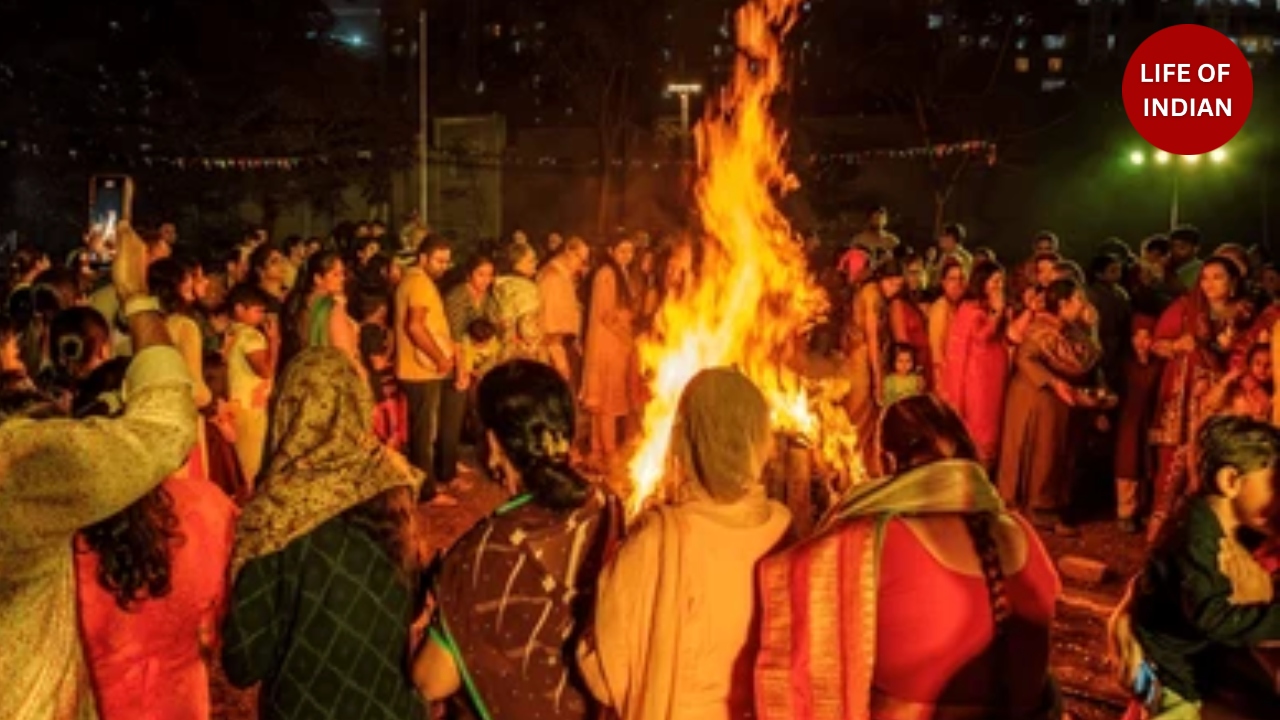
Unlike many festivals with myths tied to a specific story or deity, Lohri is believed to be a pre-Vedic celebration, rooted in agrarian and nature-based observance. Several theories exist about its origin:
1. Agrarian Significance
Lohri marks the growth cycle of crops, especially rabi crops like wheat and mustard. Farmers celebrate at this time because it aligns with the beginning of the harvest season, symbolising hope, prosperity, and gratitude for nature’s bounty.
2. Harvest and Fertility
By offering seeds, grains, and jaggery to the bonfire, people symbolically share with nature and pray for fertile fields and good crops in the coming season.
Dulla Bhatti: The Unsung Hero of Lohri Songs
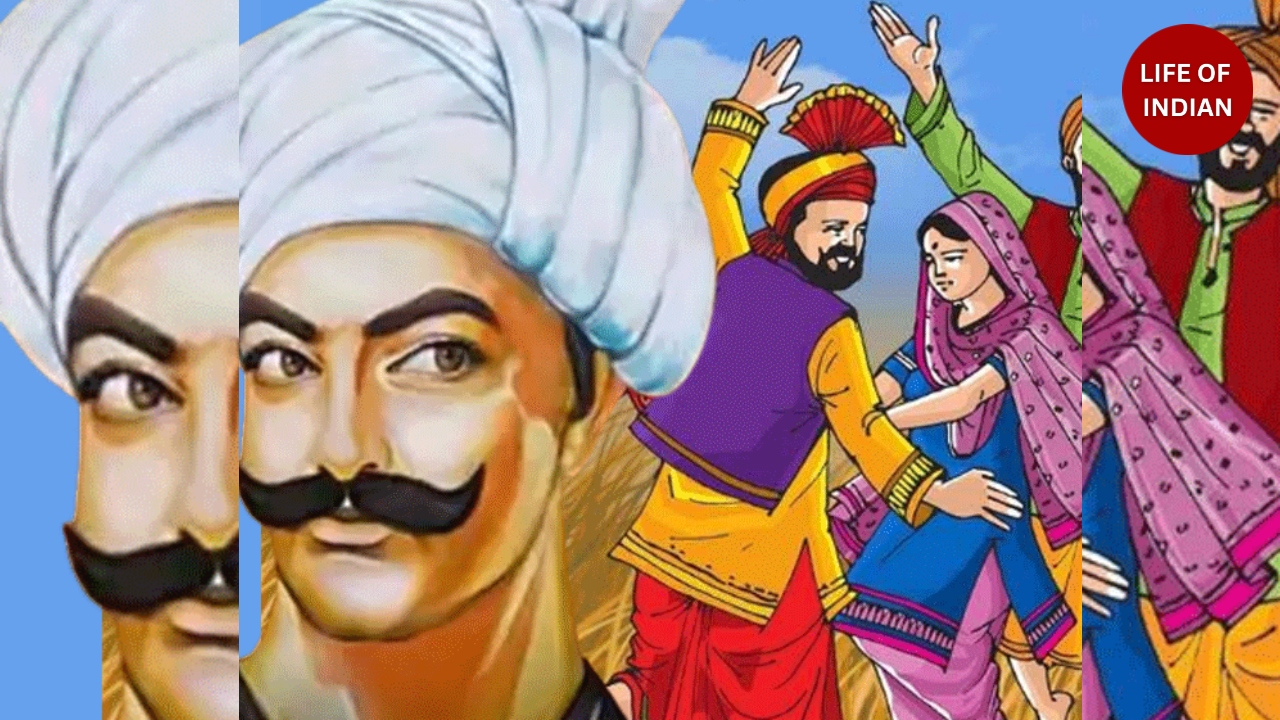
One of the most sung names during Lohri songs is Dulla Bhatti—a folk hero often compared to Robin Hood. But who was he?
Dulla Bhatti was a 16th-century Punjabi warrior who rebelled against oppressive Mughal authorities. He is celebrated for:
-
Protecting young girls from exploitation
-
Arranging marriages for girls from poor families
-
Upholding community dignity and honour
For many people today, Lohri songs invoking Dulla Bhatti celebrate courage, honour, and self-respect, giving the festival a deeper social meaning beyond seasonal joy.
The Fire Ritual: A Symbol of Health and Strength
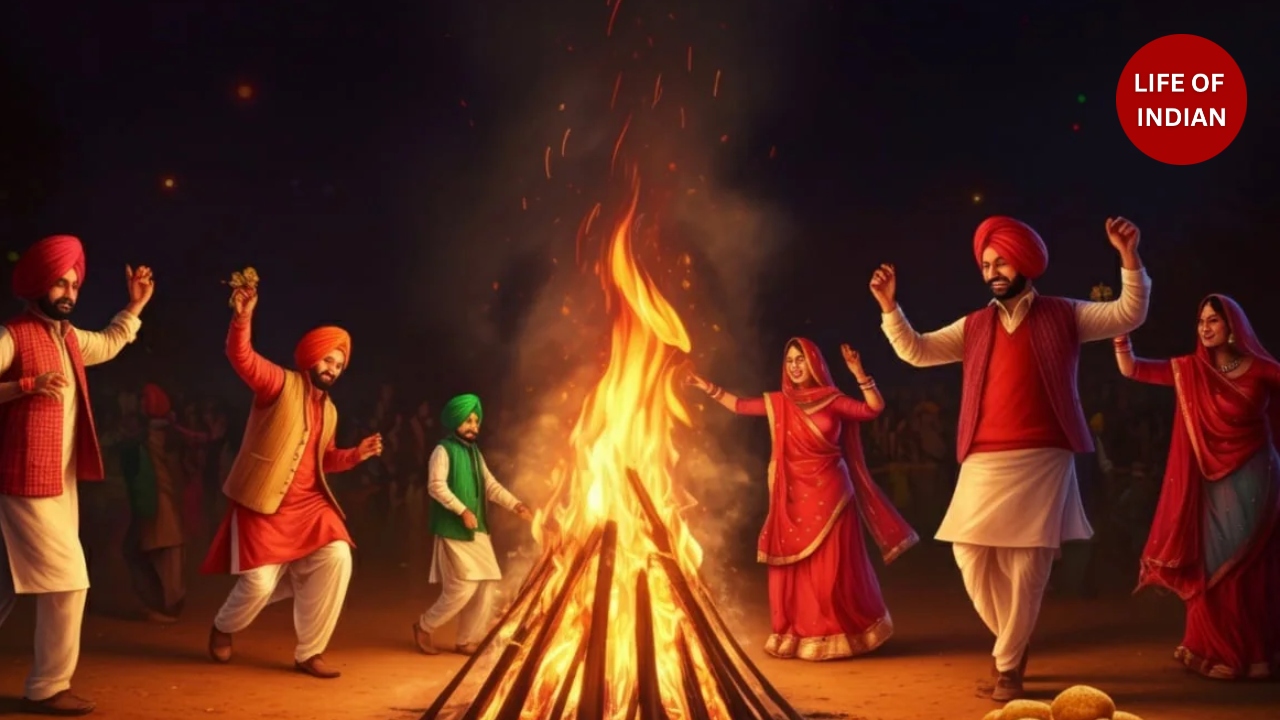
Throwing sesame seeds (til), jaggery (gur), peanuts, and popcorn into the bonfire may look like a casual ritual, but it has scientific and traditional importance:
- Heat and Immunity
Ayurveda recognises sesame and jaggery as sources of heat and vitality, which are highly beneficial during winter when the body needs warmth and immune support.
- Symbolic Offering
The act of offering grains to the fire symbolises returning part of our sustenance to nature with gratitude, seeking wellness and protection.
Lohri Is Not Just a Punjabi Festival
Although associated strongly with Punjab, variations of Lohri-like celebrations once existed across many parts of North India, including:
-
Haryana
-
Himachal Pradesh
-
Uttar Pradesh
Over time, while names and rituals changed, the core values of gratitude, community, and seasonal transition remained intact.
Modern Celebrations: A Blend of Tradition and Joy
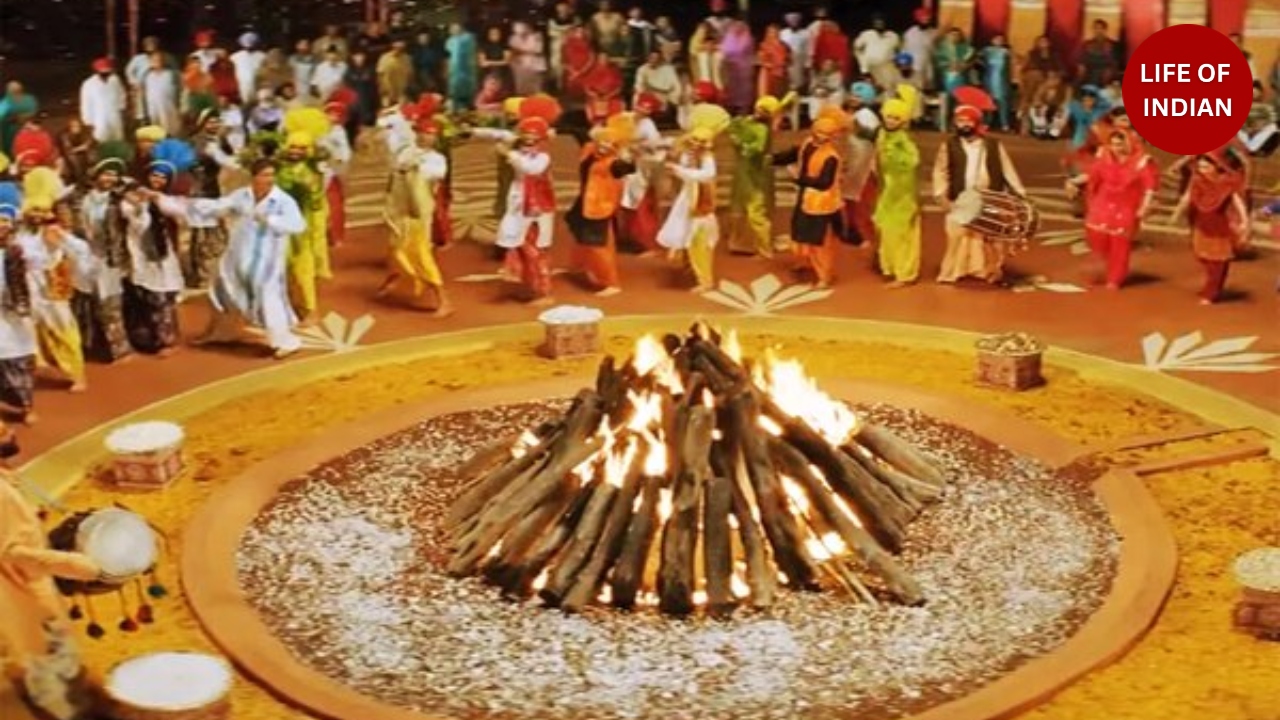
Today, Lohri is celebrated by diverse communities with:
-
Bonfires lit at sunset
-
Folk songs and dhol-dance
-
Sehri and traditional snacks
-
Community feasts and family gatherings
Young and old alike participate, making it not just a festival of fire but a festival of togetherness.
Lohri’s Message for Today

The deeper meaning of Lohri lies in its celebration of cycles—of life, seasons, light, and renewal.
It reminds us that:
-
Darkness is temporary
-
Change is natural
-
Heat and light bring life
-
Sharing and community support strengthen bonds
In a world focused on fast technology and constant rush, Lohri invites us to pause, connect with nature, and recover a sense of balance and gratitude.
Lohri is much more than a night of dance and sweets. It is a living festival with ancient roots, cosmic intuition, agricultural wisdom, and cultural depth. From cosmic solar shifts to community courage and Ayurvedic meaning, Lohri holds layers of meaning that many never notice.
Understanding these hidden facets of Lohri not only enriches how we celebrate it but also how we connect with nature, history, culture, and the spirit of renewal itself.