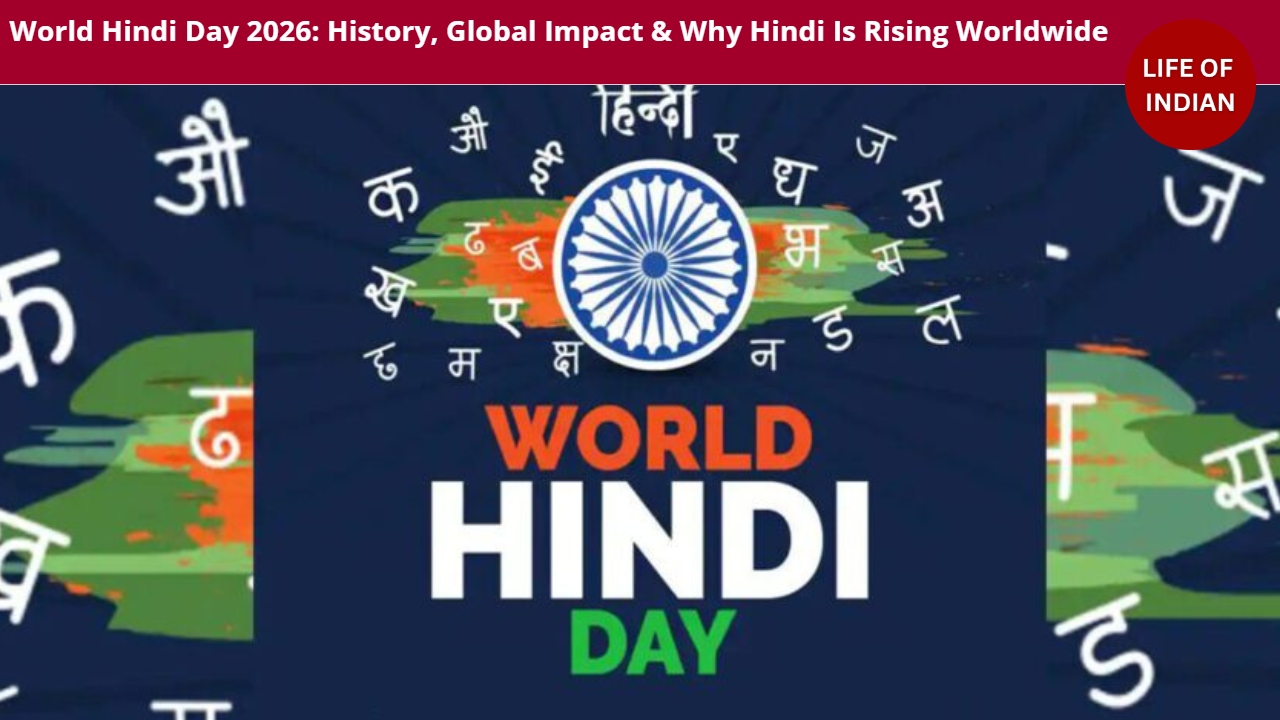
World Hindi Day 2026: World Hindi Day is observed every year on January 10 to celebrate the global presence, cultural richness, and growing influence of the Hindi language across continents. The day is dedicated not only to honoring Hindi as one of the most widely spoken languages in the world, but also to strengthening its role in diplomacy, education, literature, and cultural exchange at the international level.
While Hindi Diwas (celebrated on September 14 in India) focuses on Hindi as an official language of the country, World Hindi Day highlights Hindi’s expanding footprint beyond India’s borders—connecting communities, preserving heritage, and promoting linguistic unity worldwide.
Origin and History of World Hindi Day

The roots of World Hindi Day trace back to the First World Hindi Conference, held on January 10, 1975, in Nagpur, India. The conference brought together scholars, writers, and linguists from across the globe to discuss the promotion and standardization of Hindi internationally.
Recognizing the importance of this historic moment, the Government of India officially declared January 10 as World Hindi Day in 2006. Since then, the day has been celebrated across Indian embassies, cultural centers, universities, and Hindi-speaking communities worldwide.
The initiative reflects the long-standing vision of leaders like Mahatma Gandhi, who believed that a common language could play a vital role in uniting people and strengthening cultural identity.
Why World Hindi Day Matters
World Hindi Day is more than a symbolic celebration—it serves several meaningful purposes:
-
Global Recognition: Hindi is spoken by over 600 million people worldwide, making it one of the most spoken languages globally.
-
Cultural Diplomacy: Hindi acts as a bridge for cultural exchange through literature, cinema, music, and yoga.
-
Diaspora Connection: For Indians living abroad, Hindi preserves emotional and cultural ties with their roots.
-
Academic Expansion: Universities across the US, Europe, Asia, and Africa now offer Hindi as a subject of study.
Hindi as a Global Language
Over the decades, Hindi has crossed geographical and cultural boundaries. Countries such as Mauritius, Fiji, Suriname, Nepal, and Trinidad and Tobago have large Hindi-speaking populations due to historical migration.
Hindi’s global reach has also expanded through:
-
Bollywood cinema, which enjoys massive international audiences
-
Digital platforms, podcasts, and online learning tools
-
International conferences and literary festivals
Role of Indian Government and Institutions
The Indian government plays an active role in promoting Hindi worldwide through organizations like the Ministry of External Affairs, which organizes World Hindi Day events at Indian missions abroad.
Other efforts include:
-
Establishment of Hindi Chairs in foreign universities
-
Scholarships for international students to study Hindi in India
-
Publication and translation of Hindi literature into foreign languages
These initiatives ensure that Hindi continues to evolve as a modern, global language while preserving its classical roots.
Celebrations Around the World
On World Hindi Day, various activities are organized globally:
-
Hindi poetry recitations and literary discussions
-
Essay competitions and debates
-
Cultural performances showcasing Indian traditions
-
Workshops on Hindi language learning and translation
Indian embassies often collaborate with local universities and cultural organizations to make these celebrations inclusive and interactive.
Hindi in the Digital Age
In the era of smartphones and social media, Hindi has found a powerful new platform. From news portals and blogs to YouTube channels and OTT content, Hindi is one of the fastest-growing digital languages.
Search engines, AI tools, and voice assistants now support Hindi extensively, making information more accessible to millions of users. This digital transformation has played a crucial role in taking Hindi to younger, global audiences.
Challenges and the Road Ahead
Despite its popularity, Hindi faces challenges such as:
-
Limited use in higher scientific and technical research
-
Need for more quality translations
-
Balancing regional diversity with standardization
World Hindi Day encourages policymakers, educators, and creators to address these challenges and work toward making Hindi a strong medium of global knowledge and innovation.
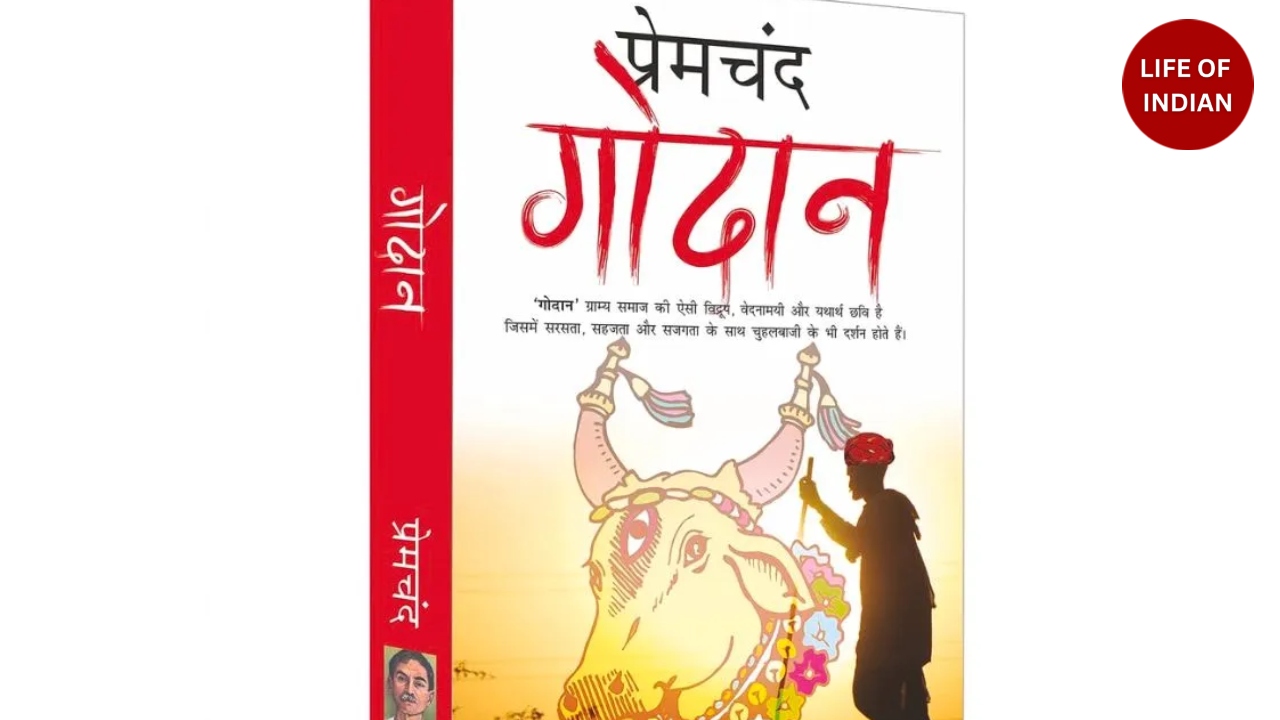
World Hindi Day is a celebration of language, identity, and global connection. It reminds us that Hindi is not just a means of communication—it is a carrier of centuries-old wisdom, literature, and values. As the world becomes increasingly interconnected, Hindi’s role as a global language continues to grow, fostering dialogue, understanding, and cultural harmony.
By celebrating World Hindi Day, we reaffirm our commitment to preserving linguistic diversity and promoting Hindi as a language of the future—rooted in tradition, yet open to the world.
Disclaimer: This article is for informational and cultural awareness purposes. Life of Indian does not claim official affiliation with any government body.