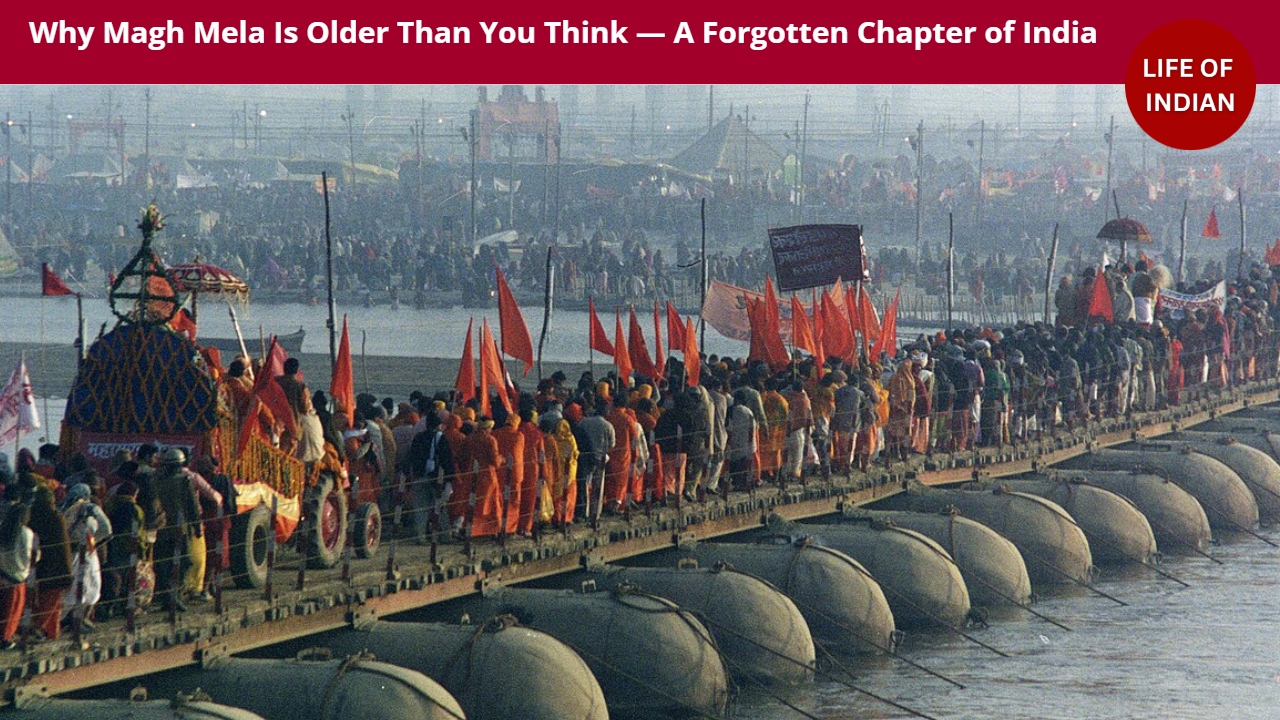
Magh Mela: Every year on the sacred banks of the Sangam in Prayagraj, an extraordinary spiritual tradition quietly unfolds. Unlike the grandeur and spectacle of the Kumbh Mela, the Magh Mela is rooted in restraint, discipline, and inner transformation. Deeply connected to Sanatan philosophy, the Magh Mela is believed by scholars and scriptures to be older than the Kumbh itself, making it one of India’s most ancient living spiritual practices.
Far from being merely a religious fair, the Magh Mela represents a profound journey of self-purification, charity, and detachment—values that have guided Indian spiritual life for centuries.
An Origin Older Than the Kumbh
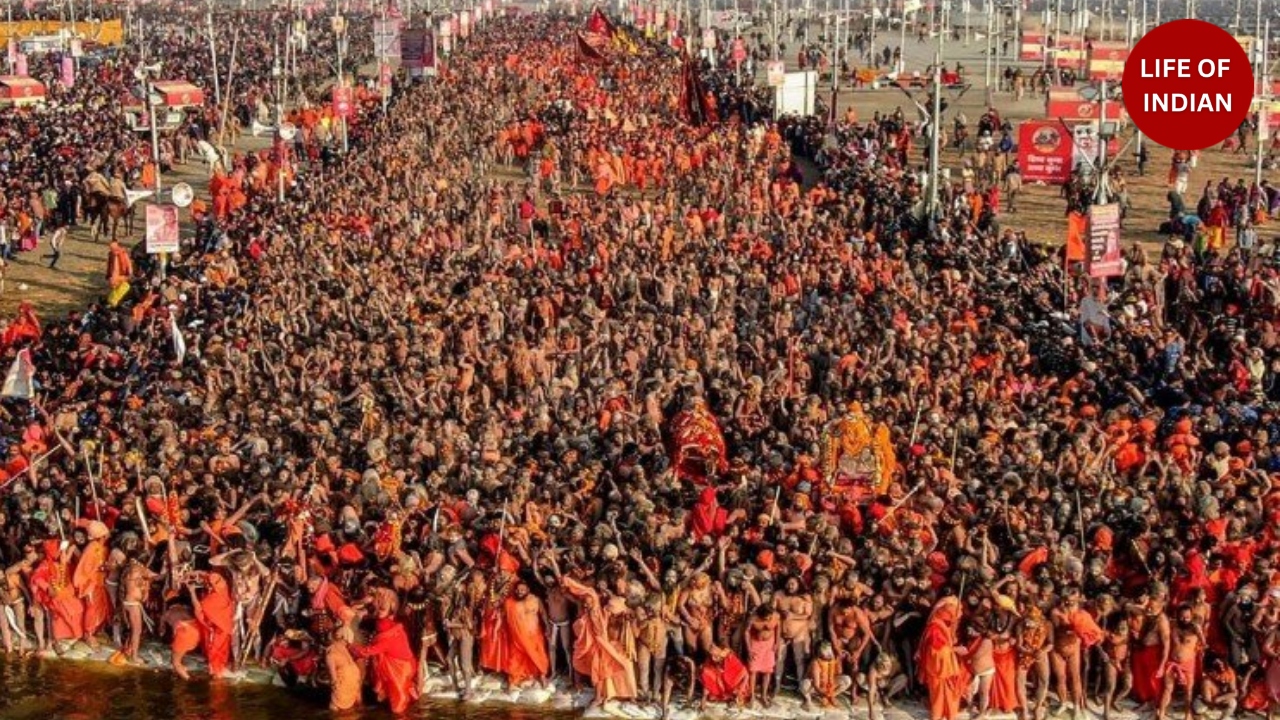
One of the least-known facts about the Magh Mela is that its mention appears in ancient Hindu scriptures and Smritis, long before the Kumbh Mela took its present form. While the Kumbh is organised based on rare astrological alignments, the Magh Mela follows a fixed annual spiritual calendar, observed during the Hindu month of Magh (January–February).
Scriptures state:
“Maghe Masi Gange Yamune Chaiva Vasaha
Sarva Pap Vinirmuktah Purusho Naatra Sanshayah”
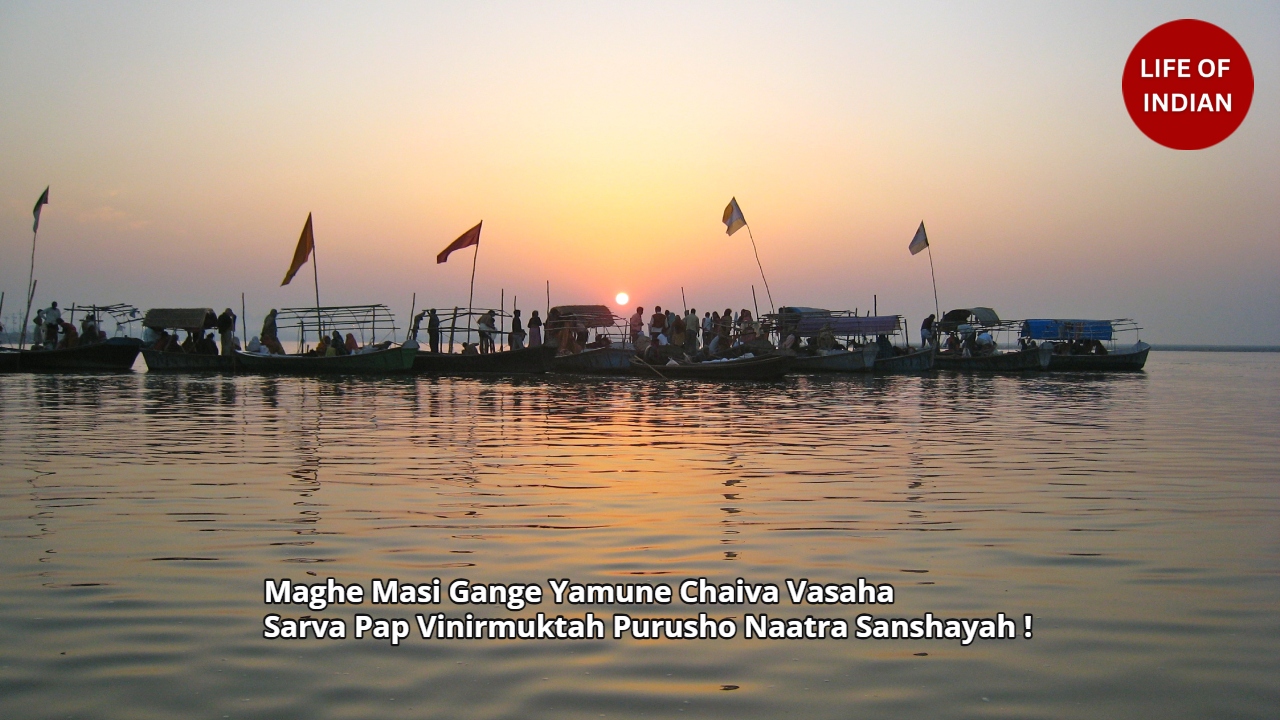
This verse suggests that residing on the banks of the Ganga during the Magh month leads to spiritual liberation. Over time, this belief evolved into the tradition of Magh Mela, centred on sustained discipline rather than momentary ritual.
Why Is Sangam Snan Considered So Powerful?
The Triveni Sangam—where the Ganga, Yamuna, and the invisible Saraswati converge—is not only geographically sacred but symbolically significant.
-
Ganga represents life and purity
-
Yamuna symbolises action and karma
-
Saraswati stands for wisdom and consciousness
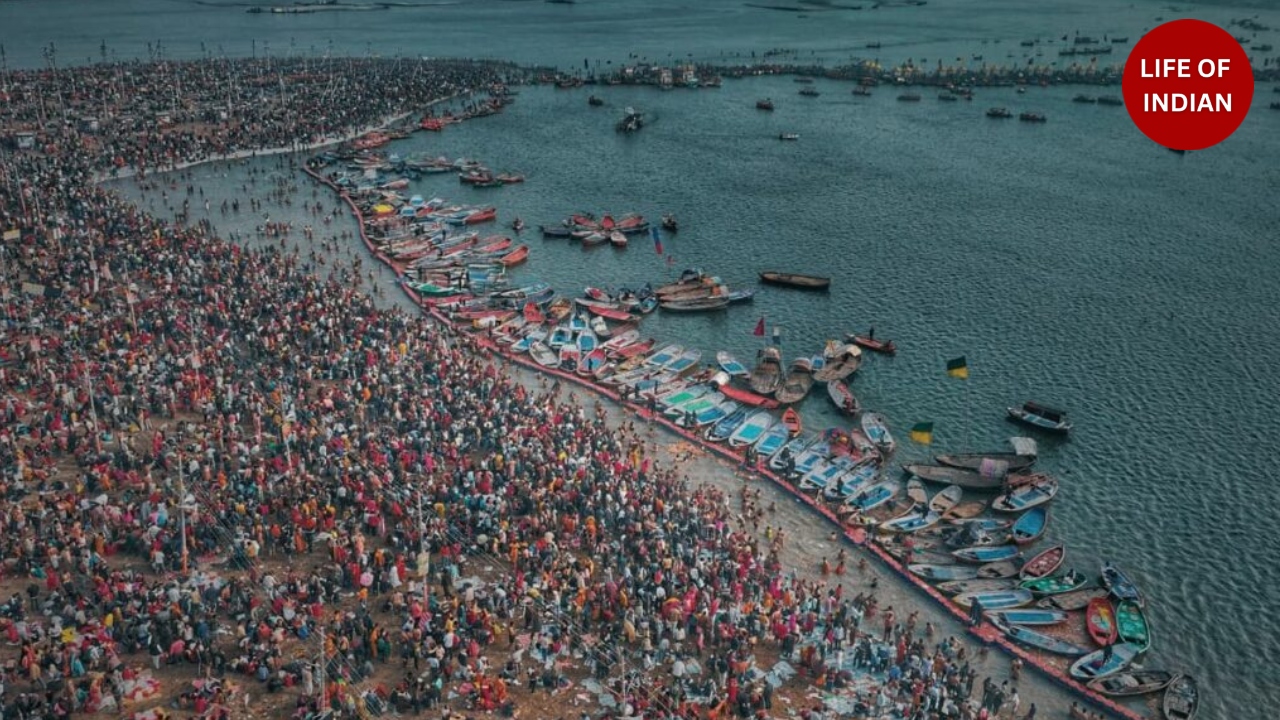
According to spiritual philosophy, bathing at the Sangam during Magh aligns the body, mind, and soul. Interestingly, some researchers and traditional scholars believe that during this period, solar positioning and seasonal transitions enhance the mineral and energetic properties of the river water, reinforcing ancient beliefs about purification.
Kalpvas: The Heart of the Magh Mela
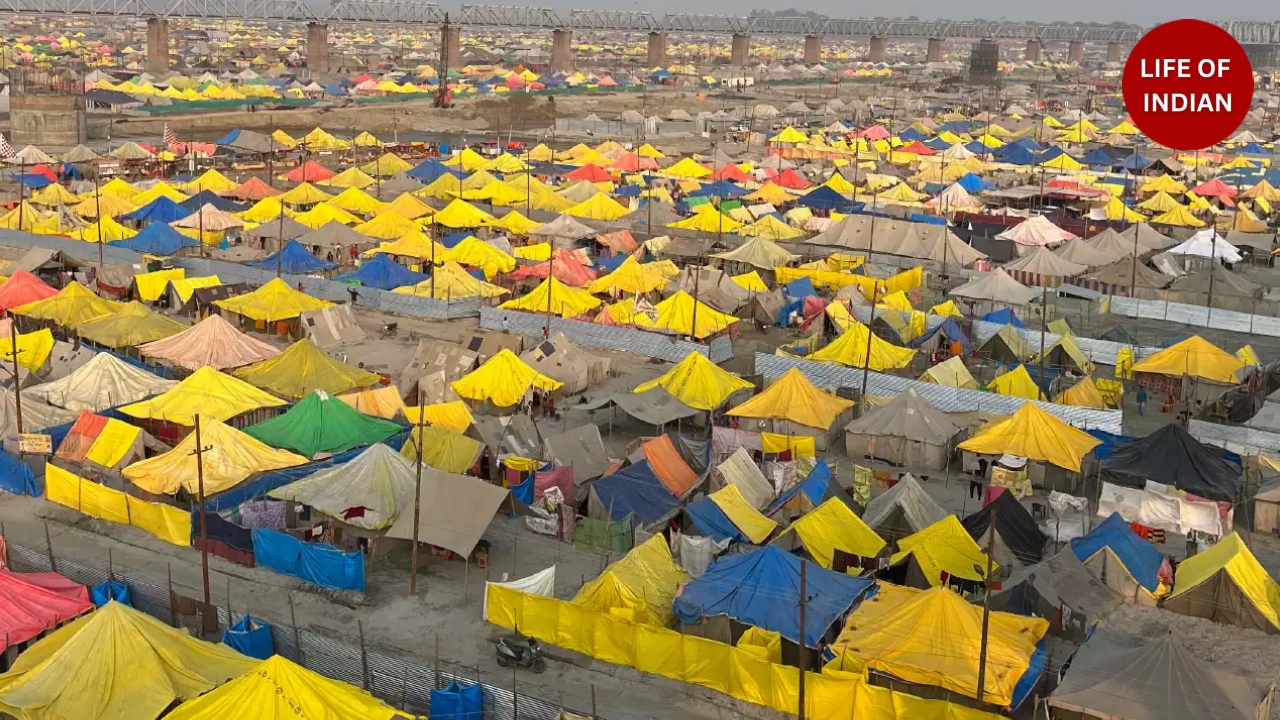
At the core of the Magh Mela lies Kalpvas, a month-long vow of simplicity and self-discipline. Kalpvasis live in temporary shelters near the Sangam and follow strict routines:
-
Pre-dawn bathing during Brahma Muhurta
-
Single satvik meal per day
-
Sleeping on the ground
-
Daily meditation, chanting, and scripture reading
-
Acts of charity and service
Unlike modern retreats, Kalpvas is a voluntary renunciation of comfort, meant to train the mind in control and clarity. Historical records indicate that even kings and wealthy patrons once abandoned luxury during Magh to observe Kalpvas alongside common devotees.
A Festival of Renunciation, Not Display
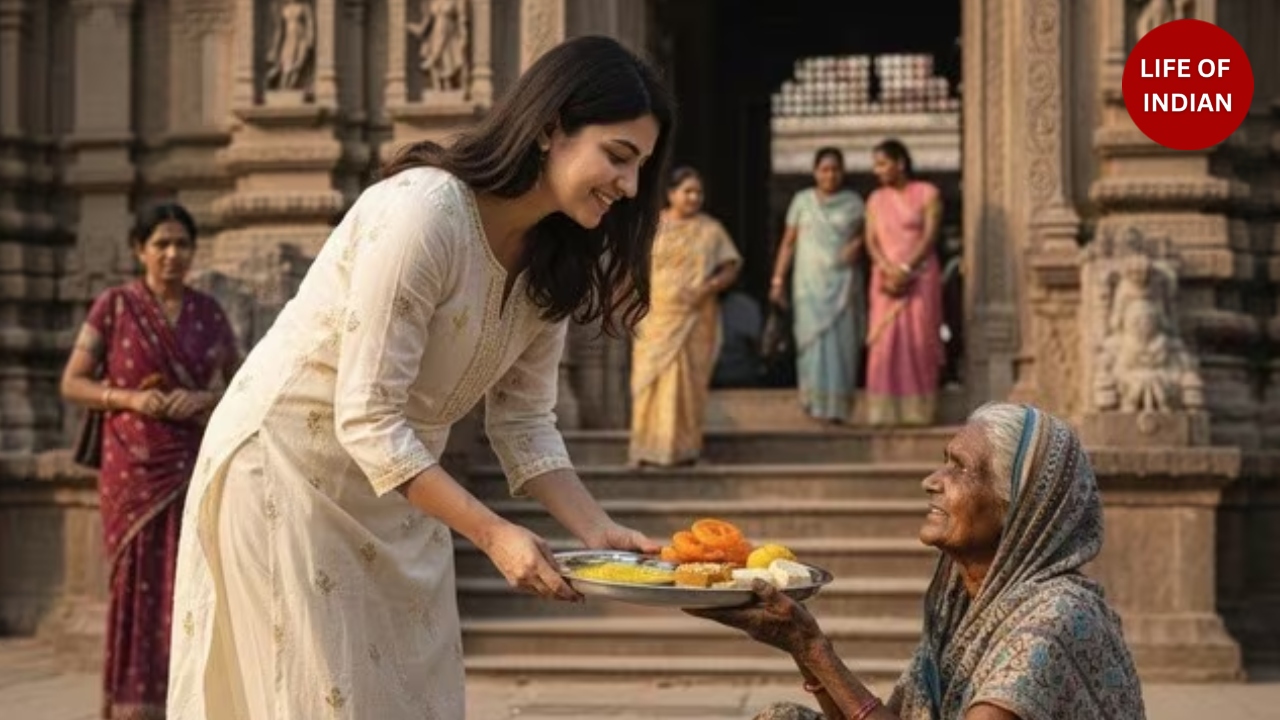
What truly distinguishes the Magh Mela from other large religious gatherings is its absence of spectacle. There are no royal processions, no competitive rituals, and no symbolic dominance of sects.
Instead, the emphasis remains on:
-
Daan (charity)
-
Dhyan (meditation)
-
Sanyam (self-restraint)
Offering food, clothes, sesame seeds, ghee, and warm essentials to the needy during Magh is considered especially virtuous. In essence, the Magh Mela celebrates giving up, not gaining.
Colonial Records and Global Curiosity
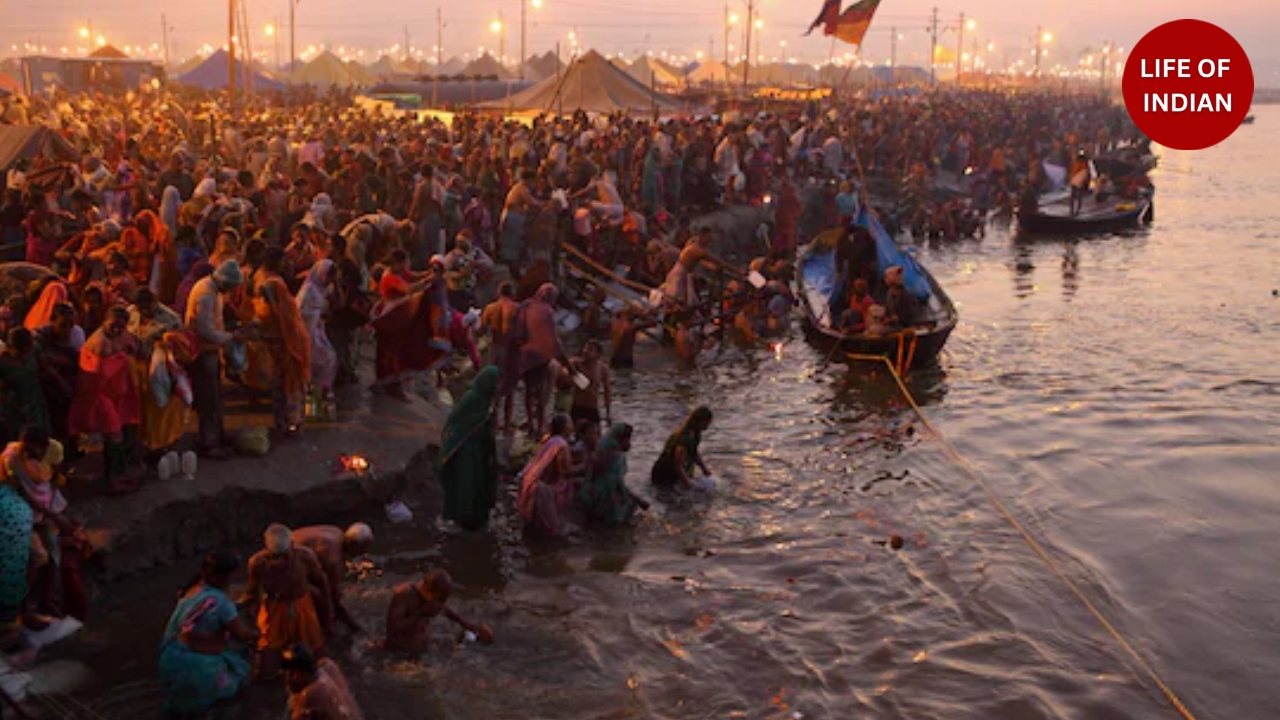
British administrators in the 19th century documented the Magh Mela with fascination. In their reports, they noted that this was perhaps the only gathering in the world where people assembled to practice hardship willingly.
They struggled to comprehend why thousands would choose cold weather, minimal food, and physical discomfort—not for reward, but for spiritual clarity. This observation itself highlights the uniqueness of the Magh Mela in global cultural history.
Why Magh Mela Still Matters Today
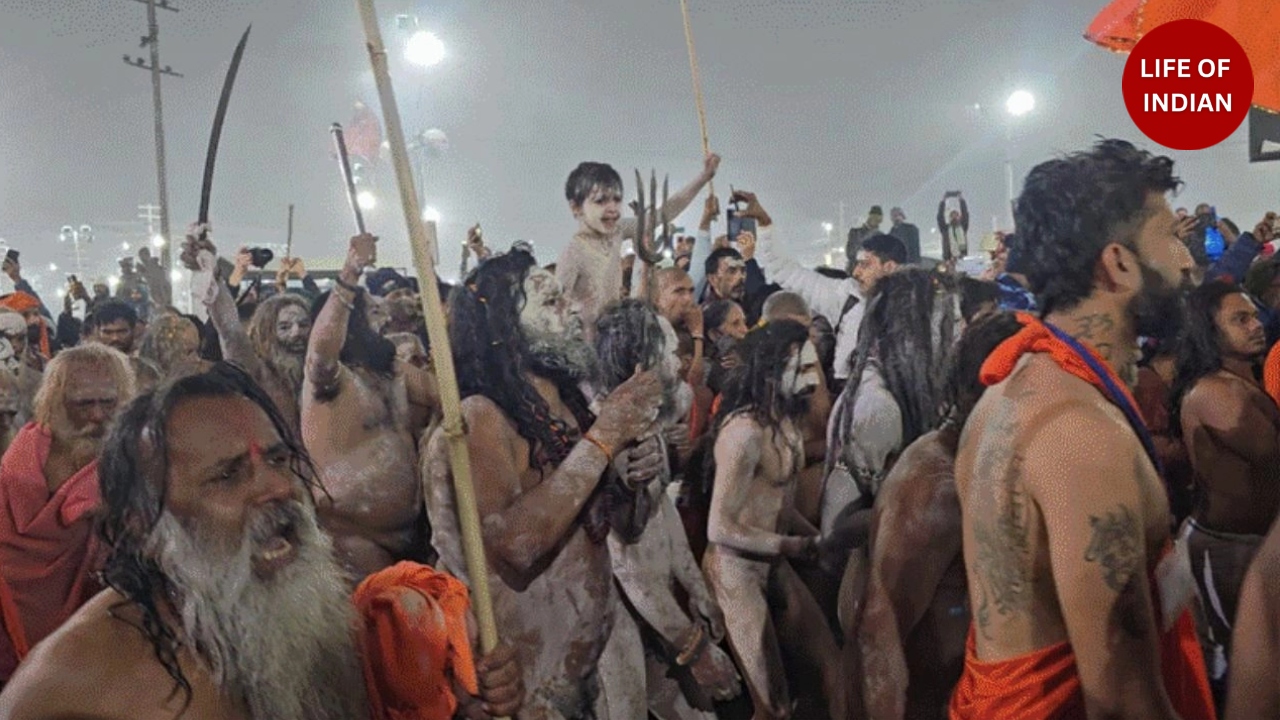
In a fast-paced, material world, the Magh Mela continues to offer something rare: a pause. It reminds people that spirituality is not an event, but a discipline; not a celebration, but a transformation.
For devotees, the Magh Mela is often described as a rehearsal for a conscious life—where control replaces excess, awareness replaces habit, and service replaces desire.
The Magh Mela is not just a religious fair—it is a living philosophy. Quiet, ancient, and deeply introspective, it represents the spiritual backbone of Indian civilisation. While the Kumbh draws the world’s attention, the Magh Mela quietly shapes the soul of those who seek inner balance.
In the silence of cold mornings at the Sangam, amid chants and flowing waters, the Magh Mela continues to whisper an ancient truth:
true purification begins within.
Disclaimer
This article is based on scriptural references, historical records, and traditional beliefs. Interpretations may vary across texts and schools of thought.