
Feeling Cold All the Time: Do you often feel cold even when others around you are comfortable? Do your hands and feet stay icy, or do you need extra layers even in mild weather? While cold sensitivity is sometimes harmless, feeling unusually cold all the time can also be a silent signal from your body that something deeper is wrong.
Many people ignore this symptom, blaming the weather or weak immunity. However, medical experts say persistent cold intolerance may be linked to underlying health conditions, including blood disorders, hormonal imbalance, or organ dysfunction.
Here are five major health issues that could be the real reason behind your constant feeling of cold.
1. Anemia (Iron Deficiency)
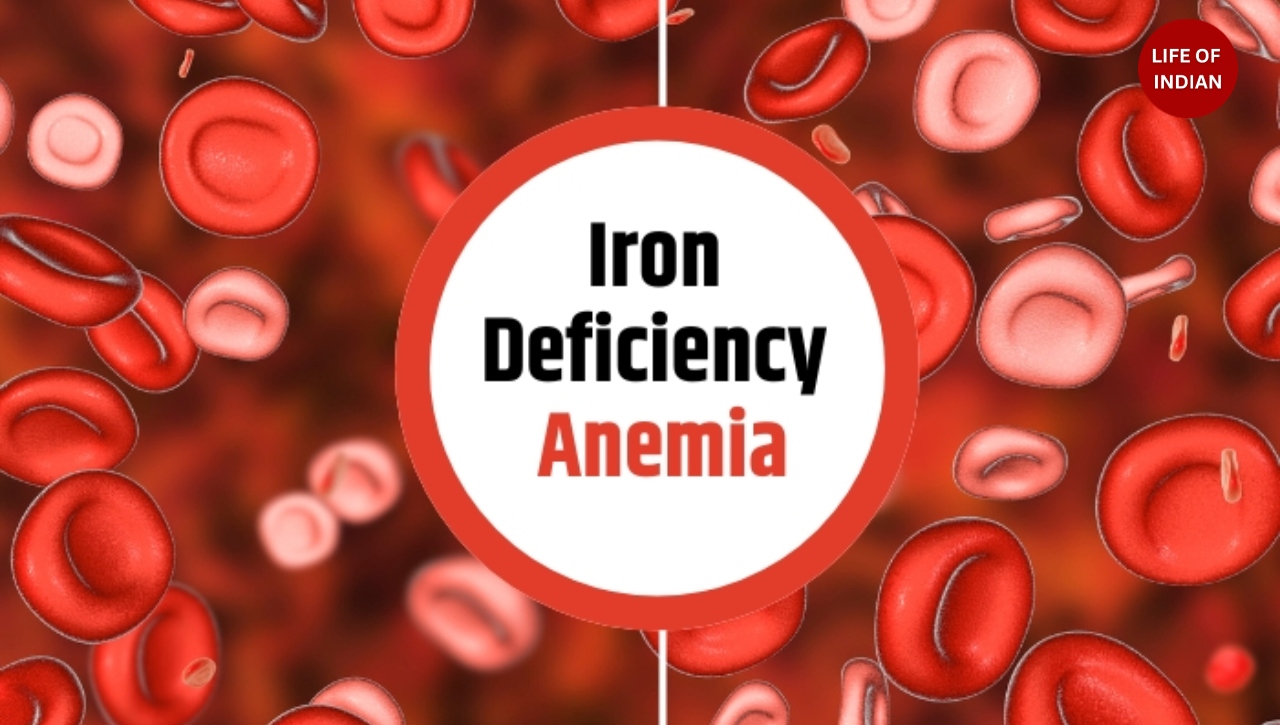
One of the most common causes of feeling cold is anemia, a condition where the body lacks enough healthy red blood cells to carry oxygen.
When oxygen supply is low, the body struggles to generate heat, leading to:
-
Constant cold feeling
-
Pale skin
-
Fatigue and weakness
-
Dizziness or shortness of breath
Women, especially those with heavy menstrual cycles, are at higher risk. A simple blood test can confirm iron deficiency.
2. Hypothyroidism (Underactive Thyroid)

Your thyroid gland plays a crucial role in regulating metabolism and body temperature. If it becomes underactive, the body’s heat-producing mechanism slows down.
Common symptoms include:
-
Feeling cold even in warm conditions
-
Weight gain
-
Dry skin and hair fall
-
Depression and slow heart rate
Hypothyroidism is common in middle-aged women and can be managed effectively with medical guidance.
3. Poor Liver Function
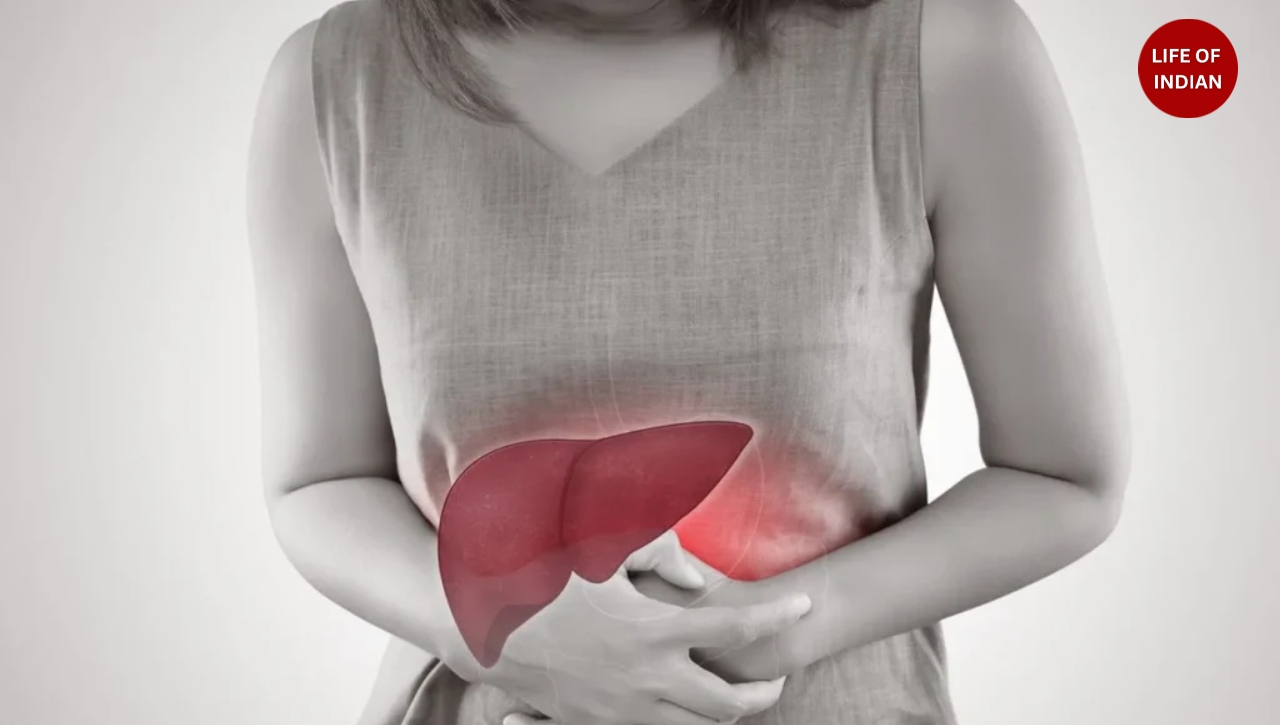
The liver helps regulate metabolism and energy production. If liver function weakens, the body may struggle to maintain normal temperature.
Possible signs include:
-
Feeling cold and low on energy
-
Digestive problems
-
Yellowish skin or eyes (in severe cases)
-
Frequent infections
Fatty liver disease, excessive alcohol intake, or chronic infections can impair liver health.
4. Poor Blood Circulation
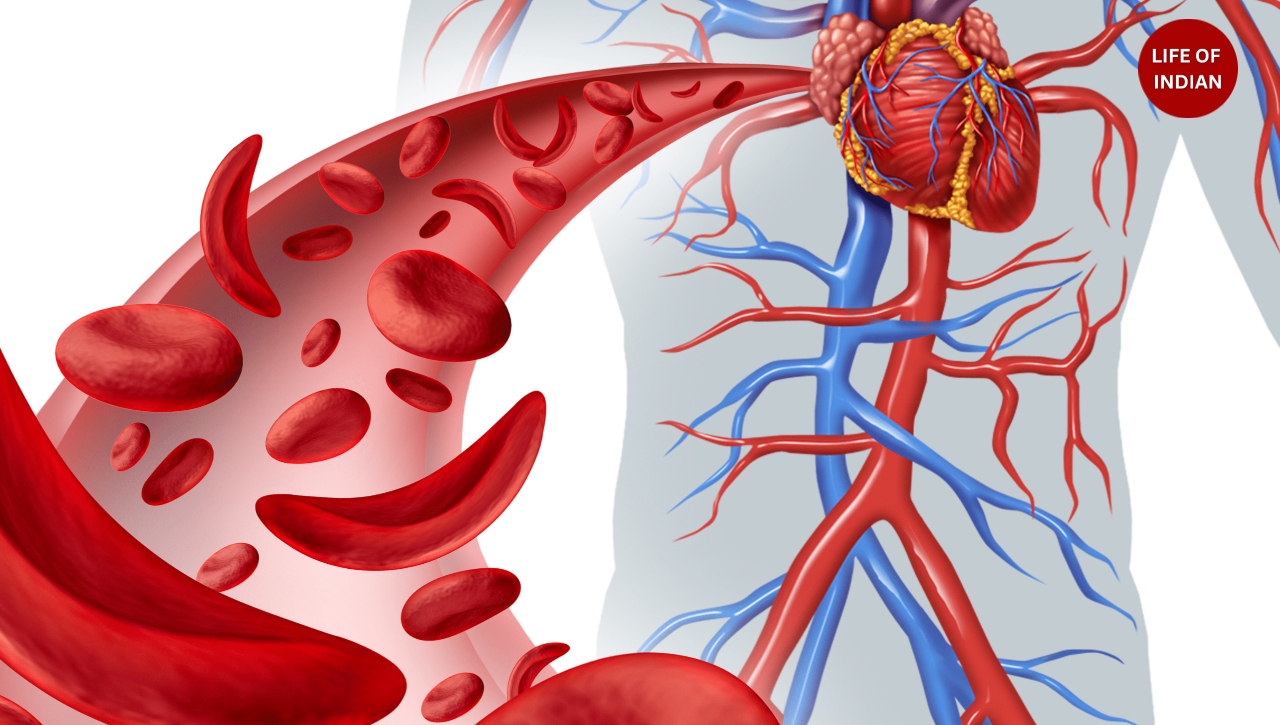
If blood circulation is weak, especially in the extremities, hands and feet may feel constantly cold.
This can be linked to:
-
Low blood pressure
-
Diabetes
-
Heart-related conditions
-
Sedentary lifestyle
Poor circulation reduces oxygen and nutrient supply, making it harder for the body to retain warmth.
5. Chronic Infections or Weak Immunity

Repeated infections or a weakened immune system force the body to use energy for healing instead of temperature regulation.
Warning signs include:
-
Frequent colds or infections
-
Slow recovery
-
Constant tiredness
-
Feeling cold with mild fever
Long-term stress, poor nutrition, or underlying illnesses can weaken immunity.
When Should You Be Concerned?
You should not ignore feeling cold if it is:
-
Persistent and unexplained
-
Accompanied by fatigue, weight changes, or hair loss
-
Affecting daily life
-
Occurring even in warm environments
Early diagnosis can prevent serious complications.

What Can You Do?
-
Get a complete blood test
-
Check thyroid and liver function
-
Improve diet with iron-rich and protein-rich foods
-
Stay active to boost circulation
-
Consult a healthcare professional if symptoms persist
Feeling cold is not always about the weather. Sometimes, it’s your body’s way of asking for attention. Listening to these signals early can protect your long-term health and help you take timely action.
Disclaimer:
This article is for general health awareness only. It does not replace medical advice. Always consult a qualified healthcare professional for diagnosis and treatment.