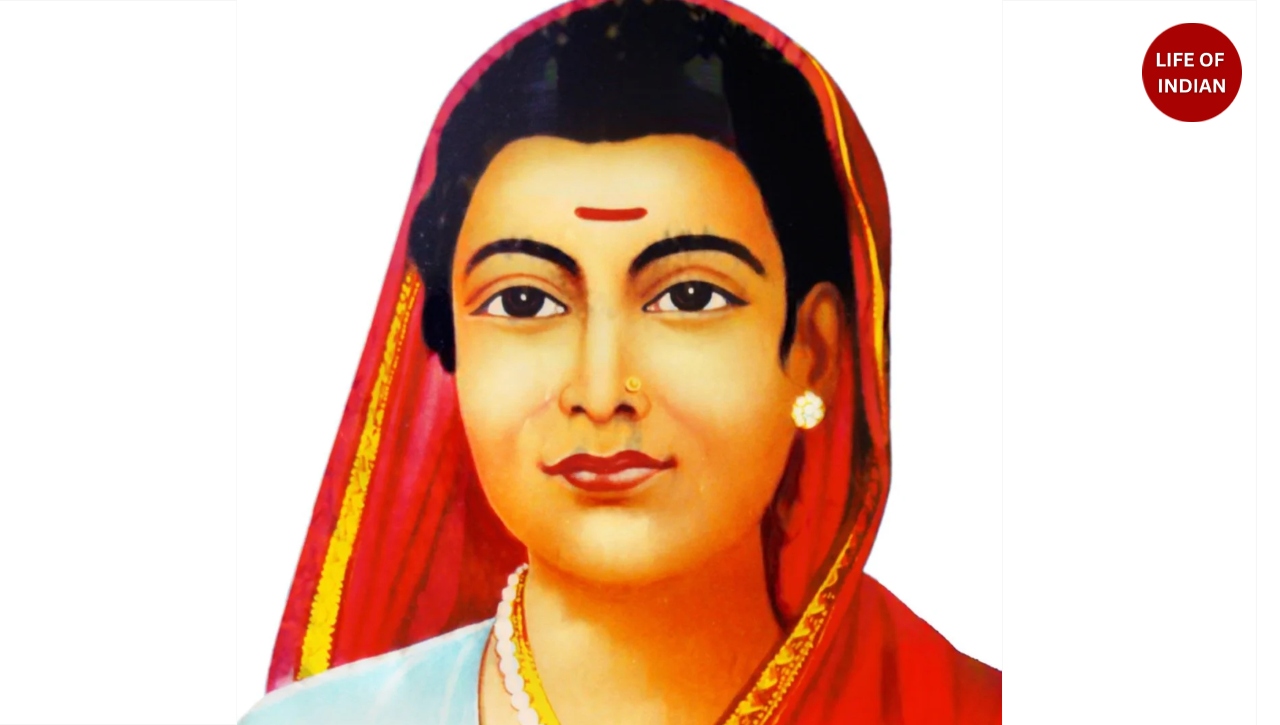
Savitribai Phule: Savitribai Phule is a name that stands as a beacon of courage, resilience, and reform in Indian history. Revered as one of the first female teachers in India, she played a transformative role in advancing women’s education, women’s rights, and social equality during the 19th century. Her life is an inspiring testament to the power of education as a tool for liberation and equality.
Born into an era marked by strict caste hierarchies and deep gender discrimination, Savitribai Phule dedicated her life to challenging oppression and uplifting the marginalized. Today, she is celebrated not only as an educator but as a revolutionary social reformer whose impact continues to resonate across India.
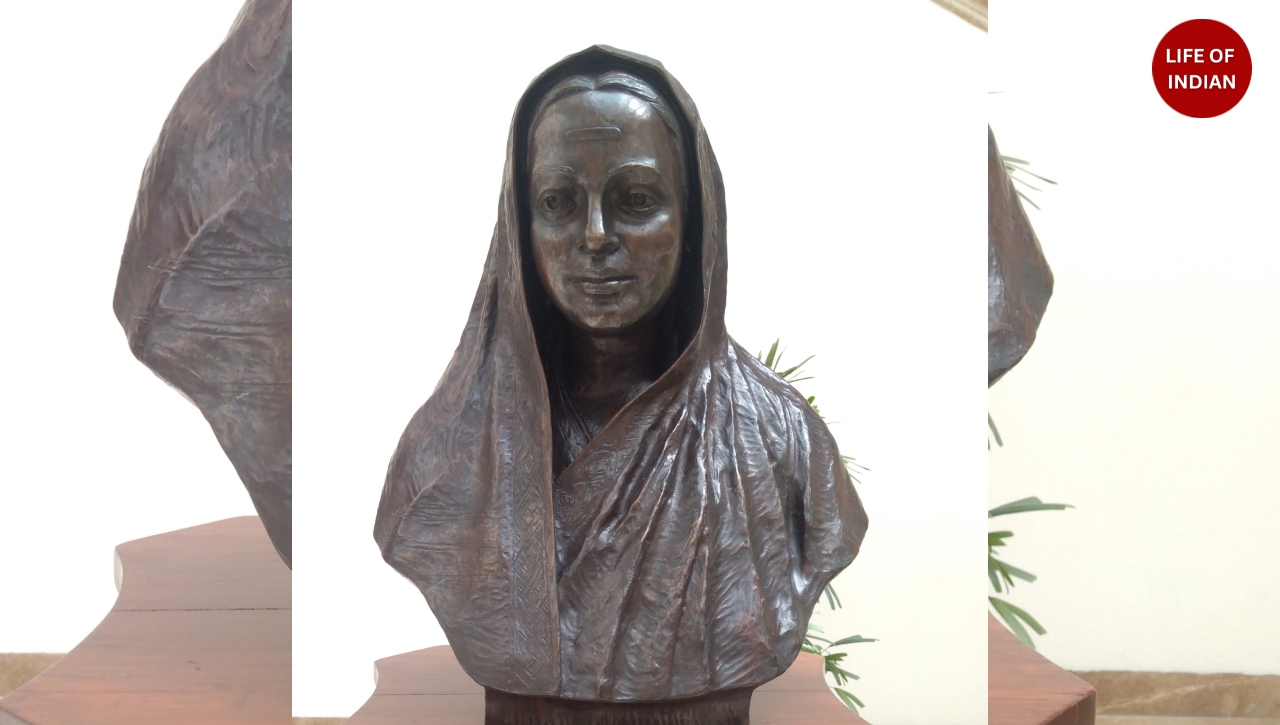
Early Life and Background
Savitribai Phule was born on January 3, 1831, in Naigaon, near Pune in present-day Maharashtra, India. She belonged to the Mali community, which was classified as a lower caste in the rigid caste system of British India. Despite the societal norms that restricted girls from receiving formal education, young Savitribai’s thirst for knowledge was remarkable.
Because educational opportunities for girls were virtually non-existent, she faced significant barriers to learning. However, her determination and supportive environment enabled her to pursue education later in life.
Marriage and Partnership With Jyotirao Phule
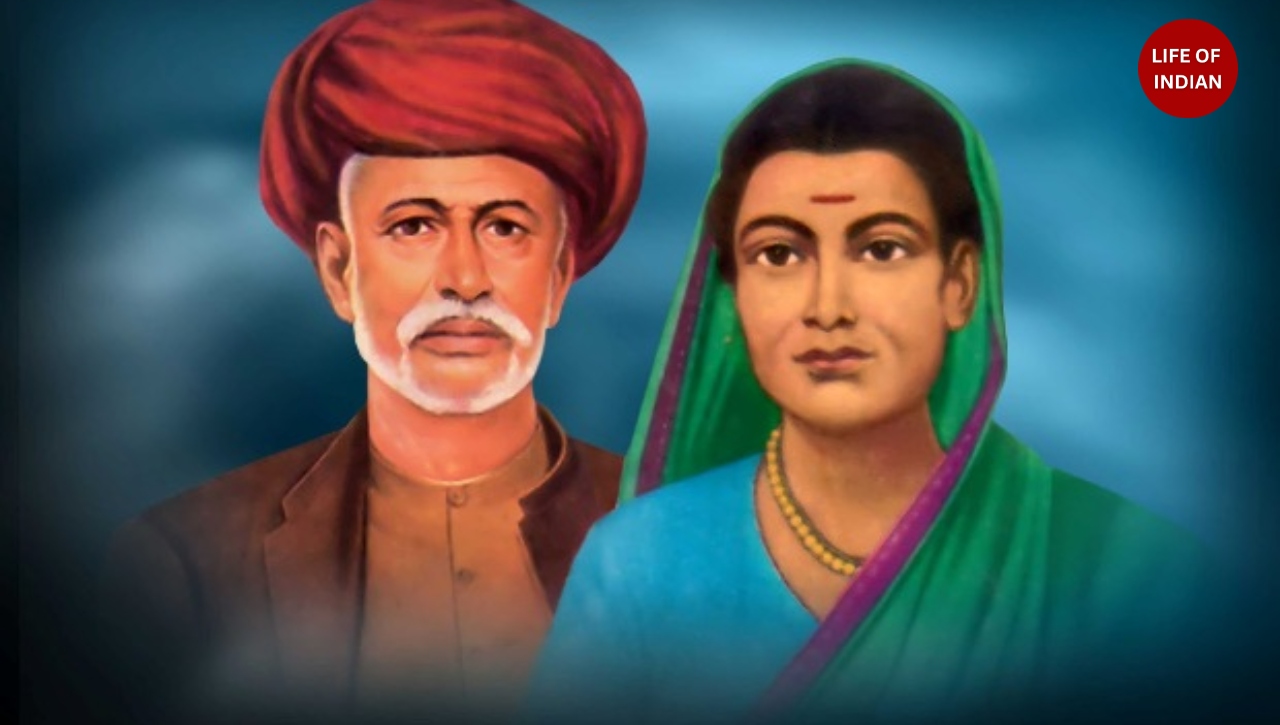
In 1840, Savitribai was married to Jyotirao Phule, who was seven years her senior. Jyotirao shared Savitribai’s vision of equality and justice. Both were driven by the belief that education should be accessible to everyone, regardless of caste or gender.
Jyotirao and Savitribai became lifelong collaborators in their mission to educate and empower. Jyotirao provided intellectual support, and together, they challenged prevailing social norms.
Pioneering Women’s Education
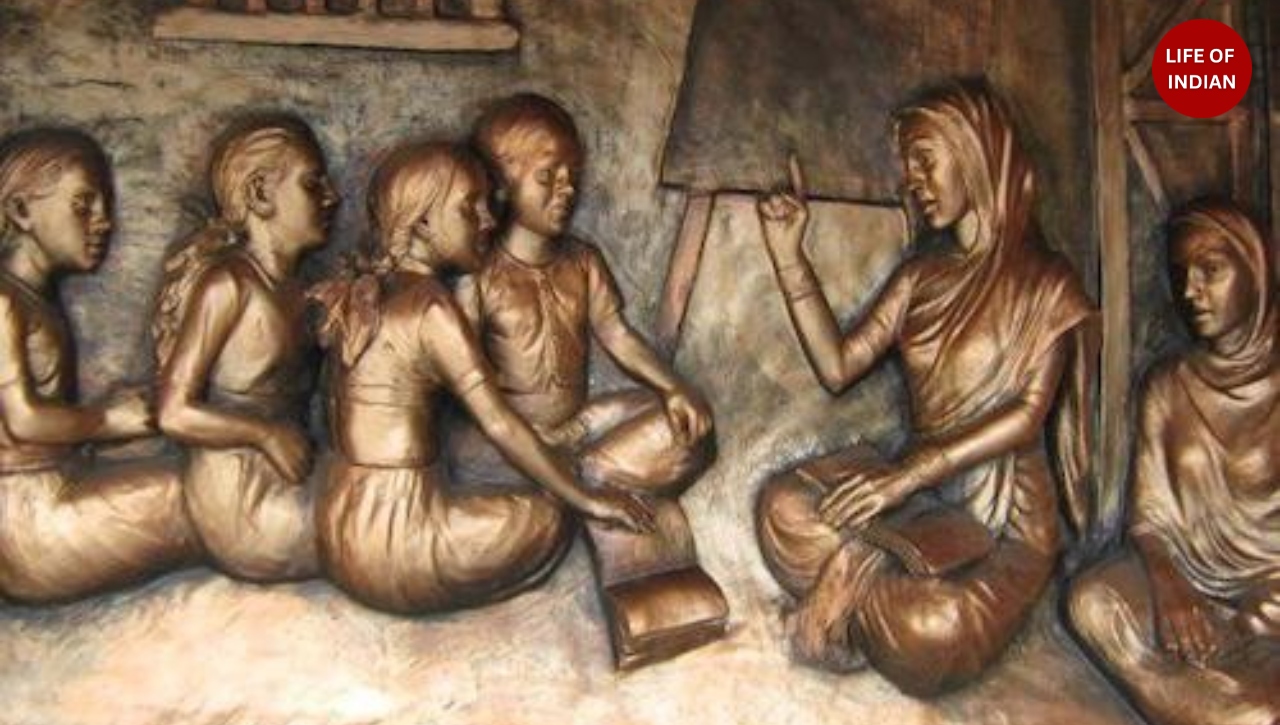
At a time when girls and lower-caste children were denied schooling, Savitribai Phule took a bold first step. In 1848, she opened India’s first school for girls in Pune, along with her husband Jyotirao. This marked the beginning of a monumental movement in Indian education.
Expansion of Schools
Their efforts did not stop there. Over the following years:
-
They established more schools for girls
-
Schools were opened for children from lower castes
-
They faced hostility and social resistance but remained undeterred
Savitribai became one of the first female teachers in India and taught a mixed group of students, challenging both gender and caste barriers.
Social Reform and Anti-Caste Work
Savitribai Phule’s commitment extended beyond education. She was an outspoken critic of the oppressive caste system and worked tirelessly to dismantle it. She and Jyotirao founded the Satyashodhak Samaj (Society of Truth Seekers) in 1873—an organization aimed at promoting social equality and challenging Brahmanical dominance.
Their work included:
-
Opposing untouchability
-
Promoting intercaste marriages
-
Encouraging self-respect and dignity among oppressed communities
Fight Against Atrocities and Upliftment
Savitribai also addressed social issues related to women, such as child marriage, widowhood, and gender discrimination. She provided shelter and support to widows and girls who were barred from mainstream society.
Work During the Bubonic Plague
In the late 1890s, when the bubonic plague hit Pune, Savitribai worked tirelessly as a nurse, tending to the sick and dying. Tragically, she contracted the disease and passed away on March 10, 1897. Her selfless service cost her life, but her legacy remains immortal.
Legacy and Impact
Savitribai Phule’s contributions shaped the trajectory of modern Indian society. Her work laid the foundation for:
-
Universal access to education
-
Women’s empowerment
-
The fight against caste discrimination
Because of her courage and pioneering efforts, she is considered one of India’s greatest social reformers.
Honors and Recognition
Today, Savitribai Phule’s legacy is honored in many ways:
-
Schools and colleges named after her
-
Statues and memorials throughout India
-
Savitribai Phule Jayanti observed annually on January 3
-
Educational institutions continue her mission of equality
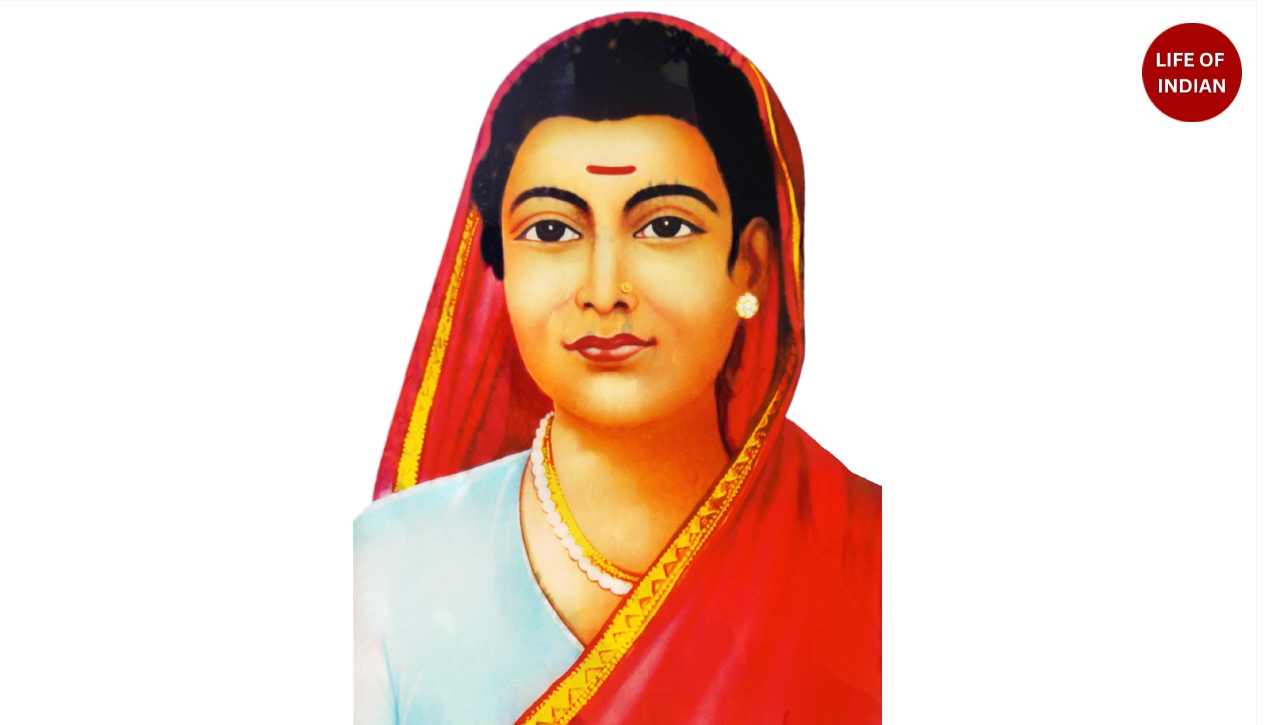
Savitribai Phule was not merely a teacher. She was a revolutionary whose life broke barriers and redefined possibilities. In an era where the majority of women were deprived of basic rights, she stood firm, opening doors of education for all. Her vision of a more equitable and just society continues to inspire millions.
Her journey reflects that true change begins with courage, conviction, and compassion—qualities that made Savitribai Phule a true daughter of India and a timeless symbol of empowerment.