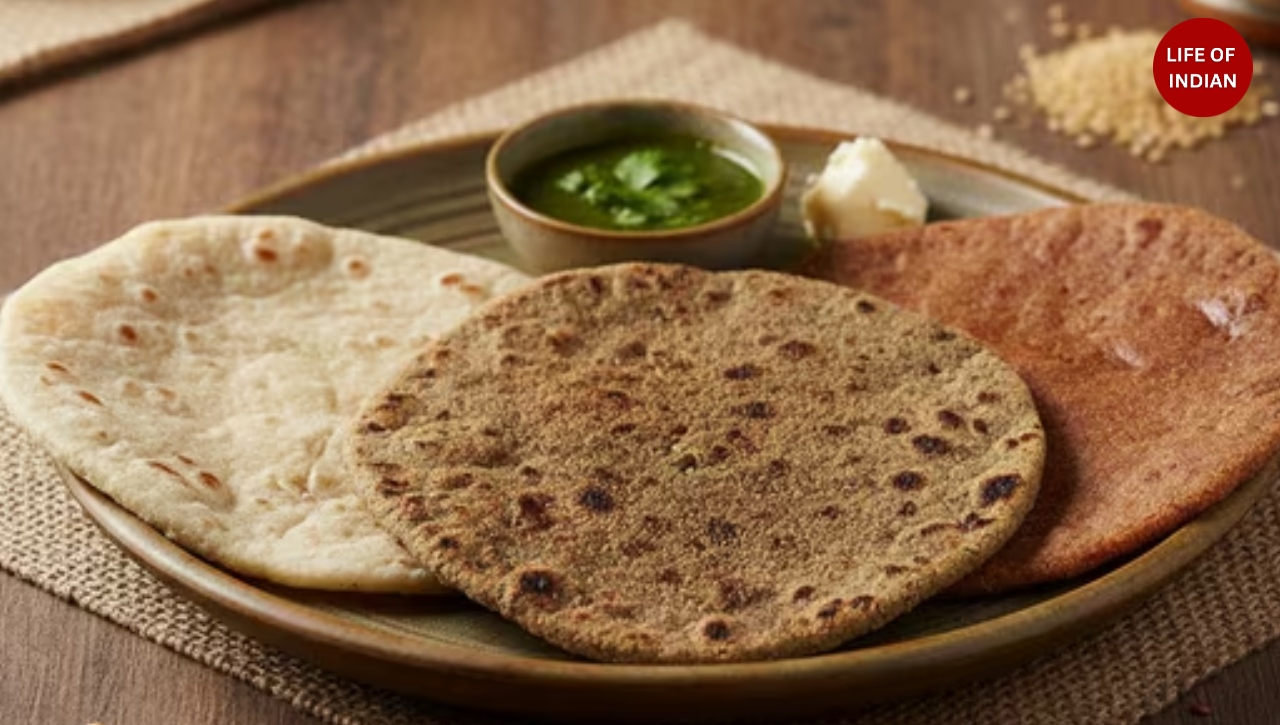
Bajra, Makka, and Ragi vs. Wheat: For generations, wheat rotis have been a staple in Indian households. But as winter arrives, experts strongly recommend replacing regular wheat rotis with more nutritious and warming alternatives such as bajra (pearl millet), makka (corn), and ragi (finger millet).
These traditional grains are packed with essential vitamins, minerals, and fiber that support immunity and overall health—especially during the colder months.
If you are still eating wheat rotis every day, this winter is the perfect time to switch to healthier millet-based options.
Why Switch from Wheat Rotis in Winter?

Wheat rotis are nutritious, but they may not provide enough warmth and fiber for winter-specific needs. Millets like bajra, ragi, and makka help:
-
Keep the body warm
-
Improve digestion
-
Boost immunity
-
Support joint and bone health
-
Provide long-lasting energy
Millets are also gluten-free, making them ideal for people with gluten sensitivity or digestive issues.
1. Bajra Roti (Pearl Millet Roti)
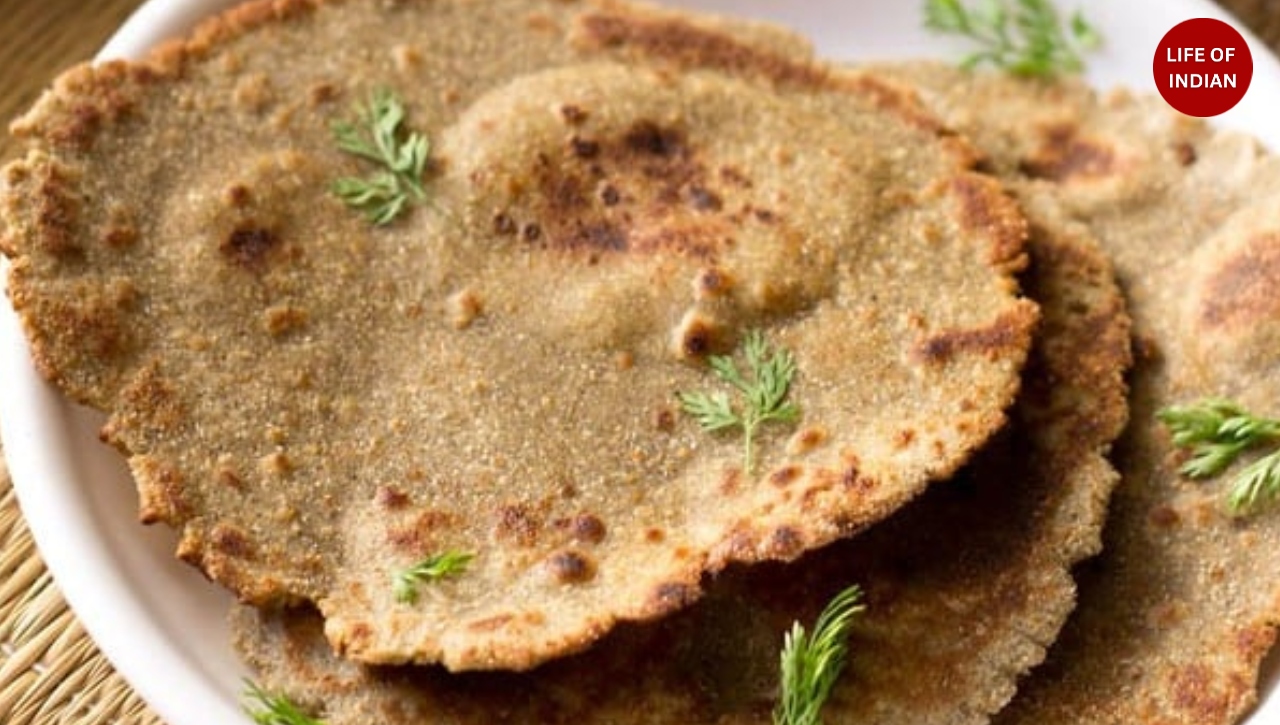
The Ultimate Winter Superfood
Bajra has been a traditional winter grain in many Indian states. It is known to generate heat in the body, making it perfect for cold weather.
Health Benefits of Bajra Roti
✔ Keeps the body warm
✔ Rich in iron—good for anemia
✔ High in fiber—supports digestion & gut health
✔ Helps manage blood sugar levels
✔ Good for heart health
How to Eat It
-
Pair bajra roti with ghee for better digestion
-
Serve with garlic chutney, jaggery, or dal
-
Best eaten hot and fresh
2. Makka Roti (Cornmeal Roti)
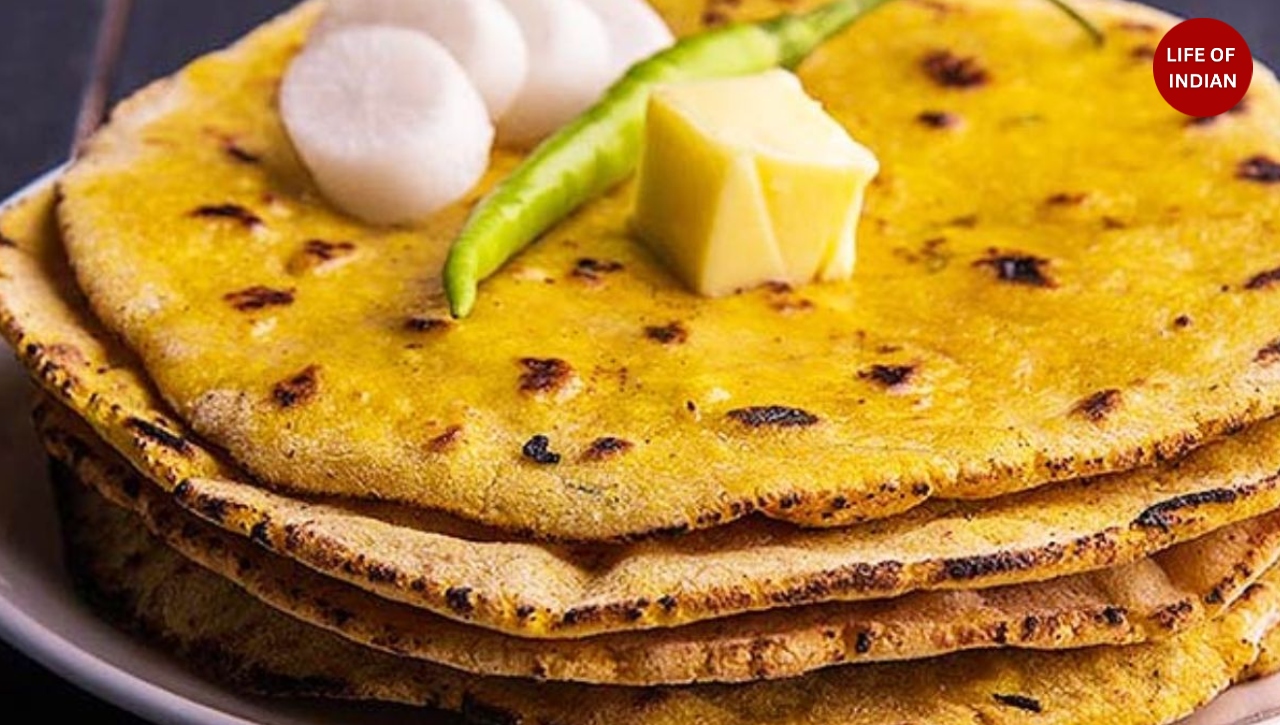
Winter’s Most Loved Traditional Roti
Makka ki roti is widely eaten in North India, especially with sarson ka saag. It is tasty, filling, and loaded with nutrients.
Health Benefits of Makki Roti
✔ Keeps you full for longer
✔ Good source of antioxidants
✔ Boosts energy and stamina
✔ Supports heart and eye health
✔ Gluten-free and easy to digest
How to Eat It
-
Best paired with white butter and saag
-
Can be eaten with curd, chutney, or sabzi
-
Add a little ghee on top for improved digestion
3. Ragi Roti (Finger Millet Roti)

A Powerhouse Grain for Bones & Immunity
Ragi is one of the richest natural sources of calcium, making it excellent for bone strength—especially during winter when joint pain is common.
Health Benefits of Ragi Roti
✔ Strengthens bones & joints
✔ Helps in weight management
✔ Rich in iron—prevents fatigue
✔ Boosts immunity
✔ Keeps blood sugar levels stable
✔ Great for skin health
How to Eat It
-
Have ragi roti with dal, chutney, or curd
-
Add ghee for better taste and nutrient absorption
-
Can also be mixed with wheat or jowar flour
Which Roti Is the Best for Winter?
All three are excellent winter choices, but each has unique strengths:
-
Bajra Roti—Best for warmth & digestion
-
Makka Roti—Best for high energy & taste
-
Ragi Roti – Best for calcium, iron & immunity
You can rotate these rotis throughout the week for a balanced winter diet.
If you are still eating only wheat rotis this winter, you may be missing out on the powerful health benefits of traditional millet rotis. Bajra, makka, and ragi are not just healthier alternatives—they are winter superfoods that support better digestion, immunity, body warmth, and overall wellness.
This winter, make the switch and feel the difference in your energy, digestion, and health.