
Why We Sleep More in Winter: As winter approaches and temperatures drop, most people feel the natural urge to stay wrapped in warm blankets and sleep longer than usual. This winter sleepiness is extremely common, yet often misunderstood. Many believe it happens only because of the cold weather, but science shows that winter fatigue is influenced by several biological, environmental and lifestyle-related factors.
From hormonal changes to reduced sunlight and low physical activity, multiple reasons contribute to increased sleep during winter. Here is a detailed, research-backed guide explaining why we feel sleepier in winter and how to manage it effectively.
Why Do We Feel Sleepier in Winter? – Main Scientific Reasons
1. Increased Melatonin Levels
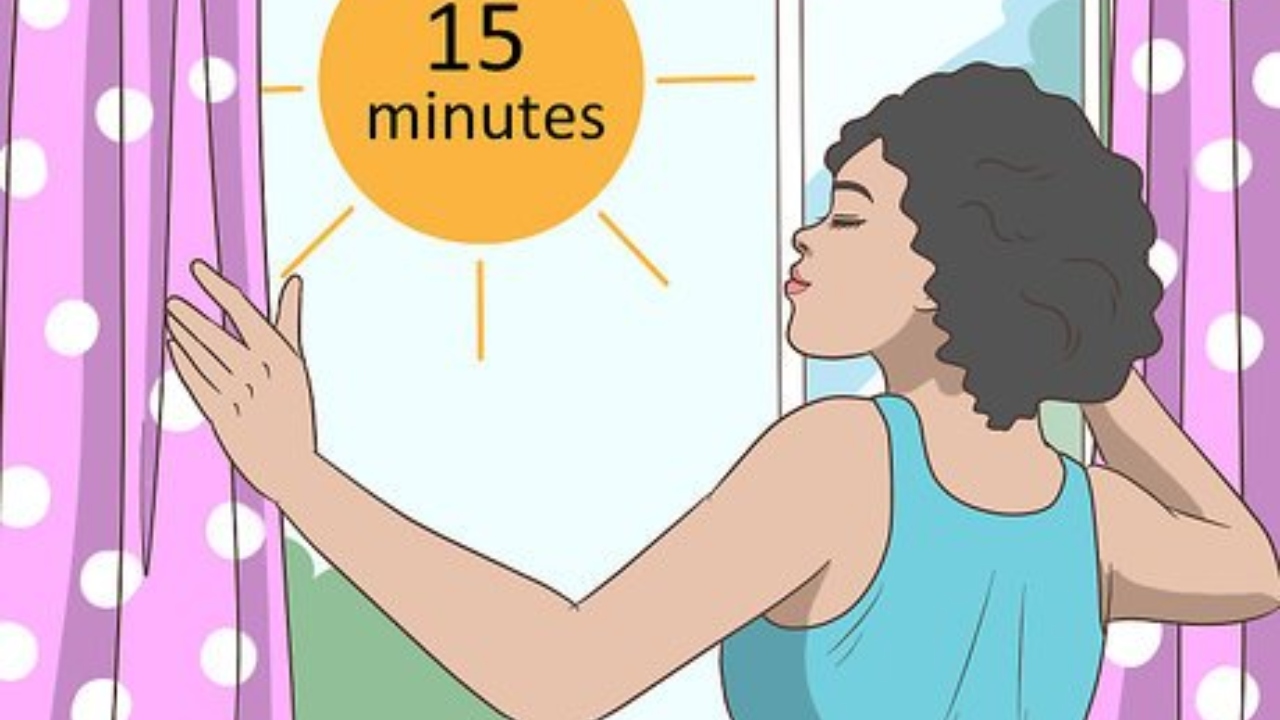
During winter, the days are shorter and sunlight exposure reduces significantly. Melatonin — the hormone responsible for regulating sleep — increases when it gets dark.
Less sunlight = higher melatonin = more sleepiness.
This is one of the primary biological reasons why people feel drowsy earlier in the evening and find it harder to wake up in the morning.
2. Early Darkness Triggers Sleep Signals
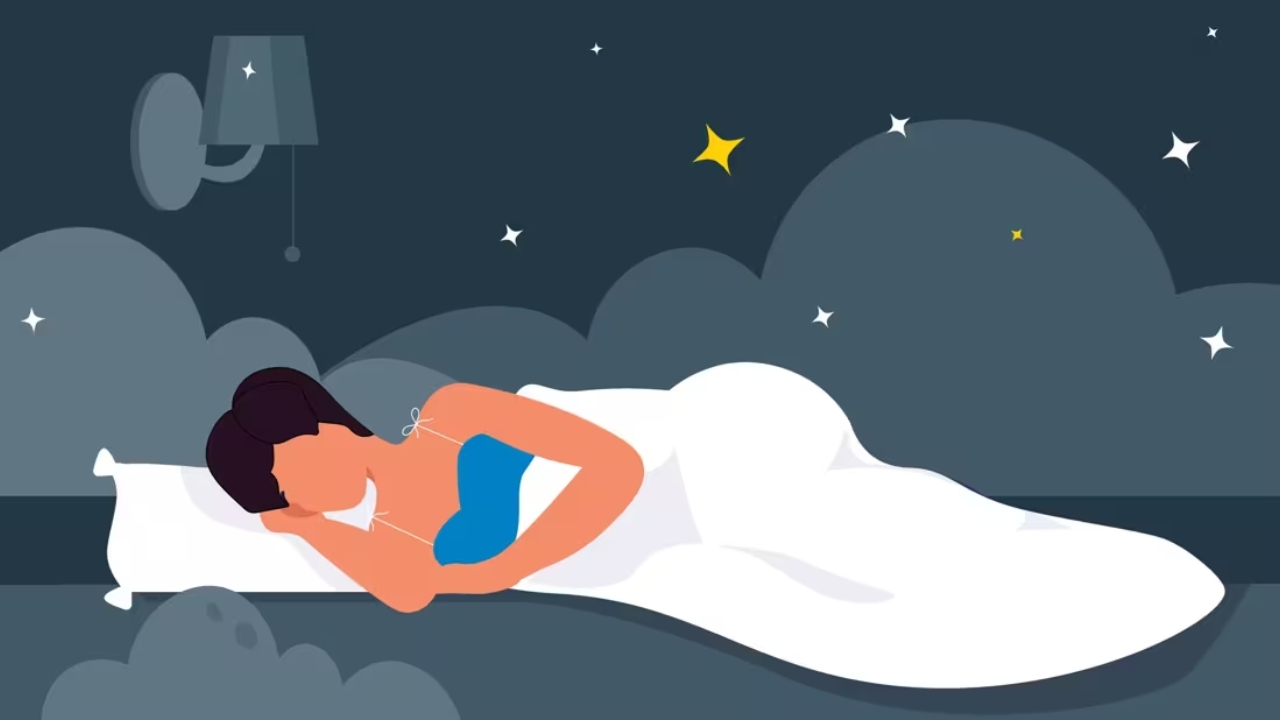
Darkness naturally signals the brain that it’s time to rest.
In winter, the sun sets earlier, causing the body to believe that bedtime has arrived. This early darkness intensifies the urge to sleep, even if you haven’t been awake for long.
3. Body’s Natural Energy-Saving Mechanism

Winter triggers the body’s instinctive “energy conservation mode.”
-
The body requires more energy to maintain warmth.
-
To conserve energy, it may slow down certain functions, making you feel tired and more inclined to sleep.
This is an evolutionary trait inherited from our ancestors who had to conserve energy during harsh winter months.
4. Reduced Physical Activity

In cold weather, people generally:
-
Spend less time outdoors
-
Engage in fewer physical activities
-
Move their bodies less throughout the day
Less movement means the body does not expend enough energy, leading to feeling sluggish, inactive and sleepy.
5. Vitamin D Deficiency

Sunlight is the biggest natural source of Vitamin D, a nutrient essential for:
-
Energy production
-
Mood regulation
-
Overall metabolic activity
During winter, reduced sunlight exposure can lead to Vitamin D deficiency, causing:
-
Persistent tiredness
-
Low mood
-
Excessive sleepiness
-
Reduced motivation to stay active
6. Heavy Winter Foods and Eating Patterns

Winter encourages people to eat:
-
Warm foods
-
High-calorie meals
-
Heavy, oily dishes
These foods take longer to digest, pulling more energy toward digestion and making you feel sleepy afterwards.
7. Stress and Seasonal Mood Changes

Many people experience seasonal stress, low mood or mild Seasonal Affective Disorder (SAD) in winter, which may trigger:
-
Lethargy
-
Longer sleep duration
-
Difficulty waking up
Winter illnesses like cold, cough or flu can also add to fatigue and increased sleep requirements.
How to Control Excessive Sleepiness in Winter
Even though winter sleepiness is natural, it can be managed effectively with healthy lifestyle habits:
1. Spend Time in Sunlight

Expose yourself to sunlight for at least 20–30 minutes in the morning.
This helps regulate melatonin levels and boosts Vitamin D levels, improving energy and alertness.
2. Stay Physically Active

Regular physical activity such as:
-
Brisk walking
-
Stretching
-
Yoga
-
Light workouts
helps improve energy levels, body warmth and mood.
3. Maintain a Balanced Diet

Prefer:
-
Light, nutritious meals
-
Seasonal fruits and vegetables
-
Vitamin D-rich foods
-
Warm soups and herbal teas
Avoid overeating heavy foods that slow digestion and increase drowsiness.
4. Manage Stress

Practice relaxation techniques like:
-
Yoga
-
Meditation
-
Deep-breathing exercises
-
Mindfulness
These improve mental clarity, reduce fatigue and help regulate sleep cycles.
Sleeping more during winter is a natural response to shorter days, limited sunlight, hormonal shifts, reduced activity and changing dietary habits. While it’s normal to feel sleepier, simple lifestyle adjustments — sunlight exposure, exercise, balanced food and stress management — can help maintain your energy levels throughout the season.
Winter may be cold, but your energy doesn’t have to be.